For most, the motivation to get fit usually comes from an external source: a photo of someone whose physique you admire, a new gym membership, a commitment to a friend or loved one.
But over time, the will to continue often fades. The reason is, people are usually trying to create a habit without any motivation or failing to create a habit when motivation is strongest, according to fitness guru Stew Smith.
With a few simple tools, transformation is possible, even for sedentary laggards who’ve been out of shape for some years now. Smith is a former Navy SEAL officer who has developed popular training programs for people hoping to pass physical tests for entering the military, police, and firefighting. He also has regimens for the general public, and provided some useful tips for those who are 40 and older and have trouble making exercise a lasting habit.
Step One: Adjust Your Mindset to Instill Discipline
Success follows habits. Smith said that having motivation alone is not enough. A few weeks of consistency is what allows motivation to evolve into discipline.
To build a consistent habit, try starting at the same time every day, blocking out the time on your calendar, and focusing more on consistency than quality. “The most important part isn’t necessarily the intensity of the workout. Consistency is the key to any success in getting in better shape, whether you’re young or old,” Smith explained.
Once you reach the point where you exercise despite not feeling motivated to, you’ll have successfully formed a habit. “This is the moment when you have that decision to make. When you make it, you realize, ‘I worked out even though I didn’t feel like it.’ That’s powerful.”

Step Two: Start Nice and Slow
DON’T start working out the same way you did during your youth. Instead, treat yourself like a beginner and don’t over-exert yourself. Smith’s favorite phrase is “80 percent is the new 100 percent.” This is especially important for older people who would greatly benefit from physical fitness but are at greater risk of injuring themselves if they do not exercise in the correct manner, Smith said.
And rather than prematurely joining a gym, he advises people to simply start with walking and stretching. Adding 15 to 30 minutes of walking daily when you are sedentary can help you feel better, sleep better, and lose weight, he said.
DO pay special attention to painful joints. Smith commits extra time to stretching and strengthening muscles in his problem areas. For example, if you have a bad knee, stretch out the muscles around your knee. If your hip hurts, focus on building mobility in the pelvic muscles. An alternative to stretching is using foam rollers, which are large, firm cylinders that you can use to massage large, tight muscle groups.
DO use your voice to tell yourself working out is the best thing for you—even before you believe it. Vocal affirmations can actually help you get motivated.
Step Three: Add to Your Regimen
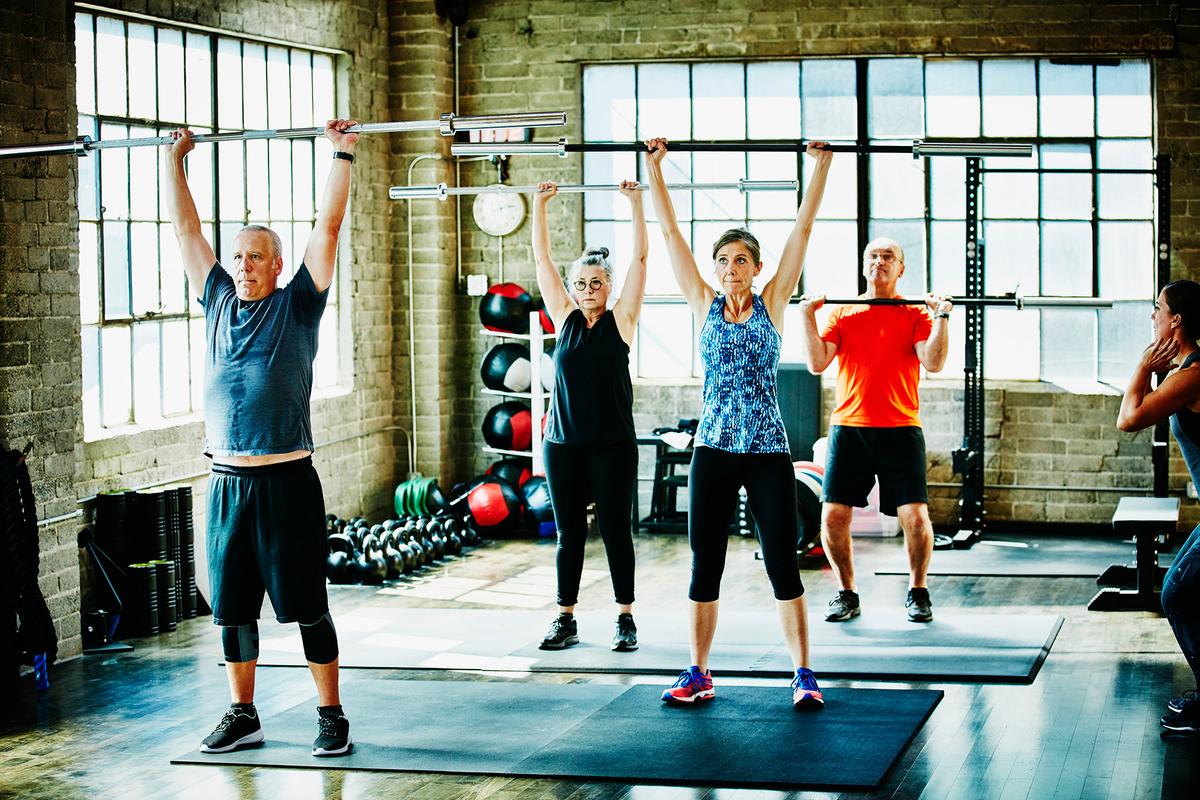
Once your mindset becomes accustomed to discipline, you can add to your routine, such as doing calisthenics, using dumbbells, joining a gym, training for a marathon, and incorporating new activities into your workout.
“The beauty of fitness is we all have different journeys,” he said. “Everybody finds something they enjoy doing, and that’s probably the most important piece of this.”
Sample Exercises
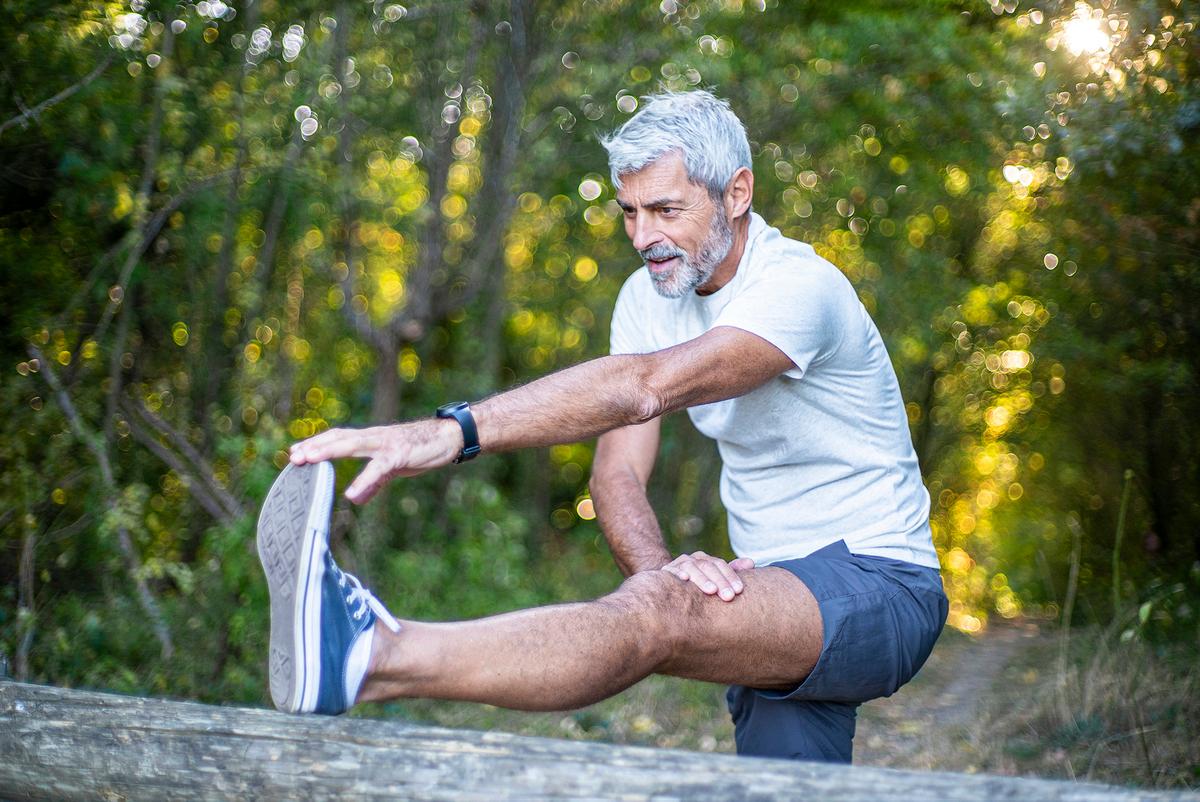
For people who haven’t been active for 10 years or more, they can start by bending over at the waist to stretch the lower back and hamstrings. It doesn’t matter if you cannot touch your toes; you can gradually work your way there.
Move for five minutes, and then stretch for five minutes. Repeat this four to five times. Do this every day for two to three weeks—only adding more exercises once you’ve secured your new habit.
Basic stretches:
-lean against the wall and stretch your calves
-sit in a chair and try to touch your toes
-reach as high as you can over your head, trying to touch the ceiling
-lie on the floor and stretch yourself like you’re trying to get two inches taller


Survival of the Fittest
Smith has trained many to enter the military. Candidates of the Air Force warfare unit may have one of the hardest: they must complete a 500-meter swim in 15 minutes, on top of two 25-meter underwater swims; run 1.5 miles in 10:20 or less; and do eight pullups, 50 situps, and 40 pushups—each set in under two minutes!