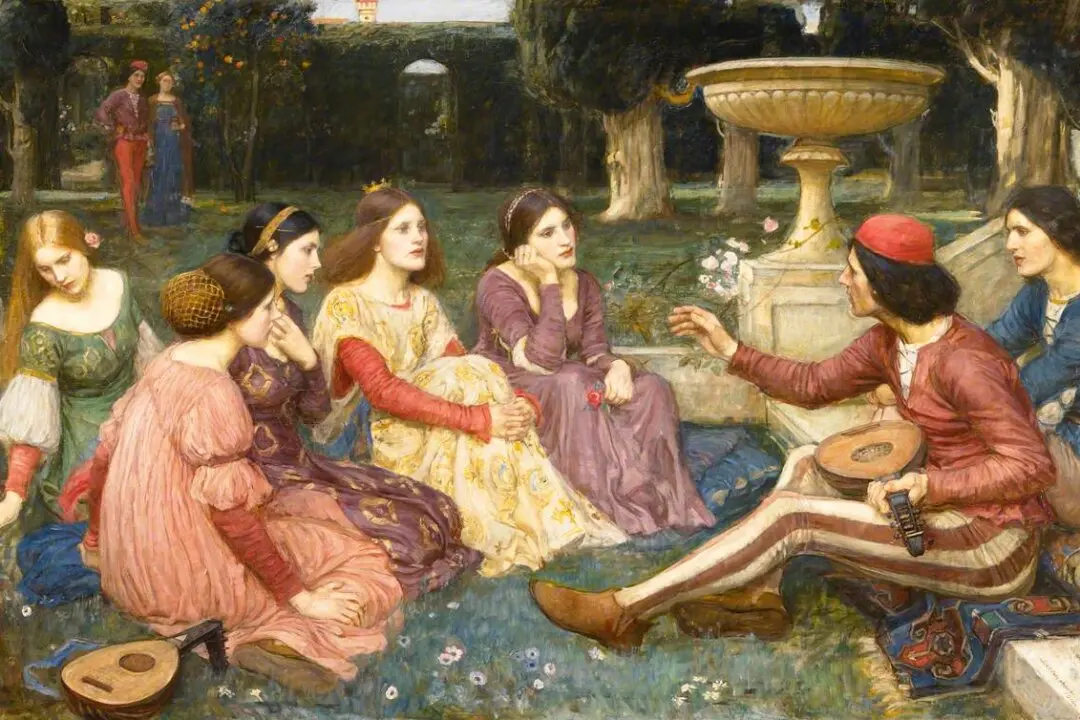
The prospect of aging seemed to haunt William Butler Yeats. Some of his most poignant poems, such as “When You Are Old” and “Among School Children,” address this theme. Yet perhaps the most famous of his “aging” poems—in fact, one of the most famous of all his poems—is called “Sailing to Byzantium.”
The 1927 poem follows the contours of thought of an old man reflecting on this changeable world he has outworn and which he yearns to leave behind in favor of some form of transcendence and immortality. As literature professor Oliver Tearle wrote, “The poem is about renouncing the hold of the world upon us, and attaining something higher than the physical or sensual.”
Yeats told readers that the poem is about the search for the spiritual, a search that seems to take on more urgency in old age as the pleasures and memories of youth fade. Yeats was in his early 60s when he wrote the poem. In a script that he wrote for a 1931 BBC radio broadcast, Yeats explained:
“I am trying to write about the state of my soul, for it is right for an old man to make his soul, and some of my thoughts about that subject I have put into a poem called ‘Sailing to Byzantium.’ When Irishmen were illuminating the Book of Kells, and making the jeweled croziers in the National Museum, Byzantium was the centre of European civilization and the source of its spiritual philosophy, so I symbolize the search for the spiritual life by a journey to that city.”
An Old Man, an Old City
For Yeats, poetry itself was an engagement with the spiritual. He saw it as a quasi-spiritual practice, as literary critic C.M. Bowra noted: “Yeats ... sees [poetry] as part of a larger experience, as a means of communication with the spiritual world which lies behind the visible. For him the poet is almost a medium, and interpreter of the unseen.”Yeats chose a traditional form for this poem about aging, timelessness, and cultural and personal immortality. It’s called “ottava rima,” originally an Italian poetic form. It consists of eight 10–11 syllable lines, that follow the rhyme scheme of abababcc.

The poem opens with the well-known line “That is no country for old men,” which Cormac McCarthy adapted for the title of his famous Western crime novel. The poem continues, “The young/ In one another’s arms, birds in the trees/ --Those dying generations—at their song/ The salmon-falls, the mackerel-crowded seas/ Fish, flesh, or fowl, commend all summer long/ Whatever is begotten, born, and dies.”
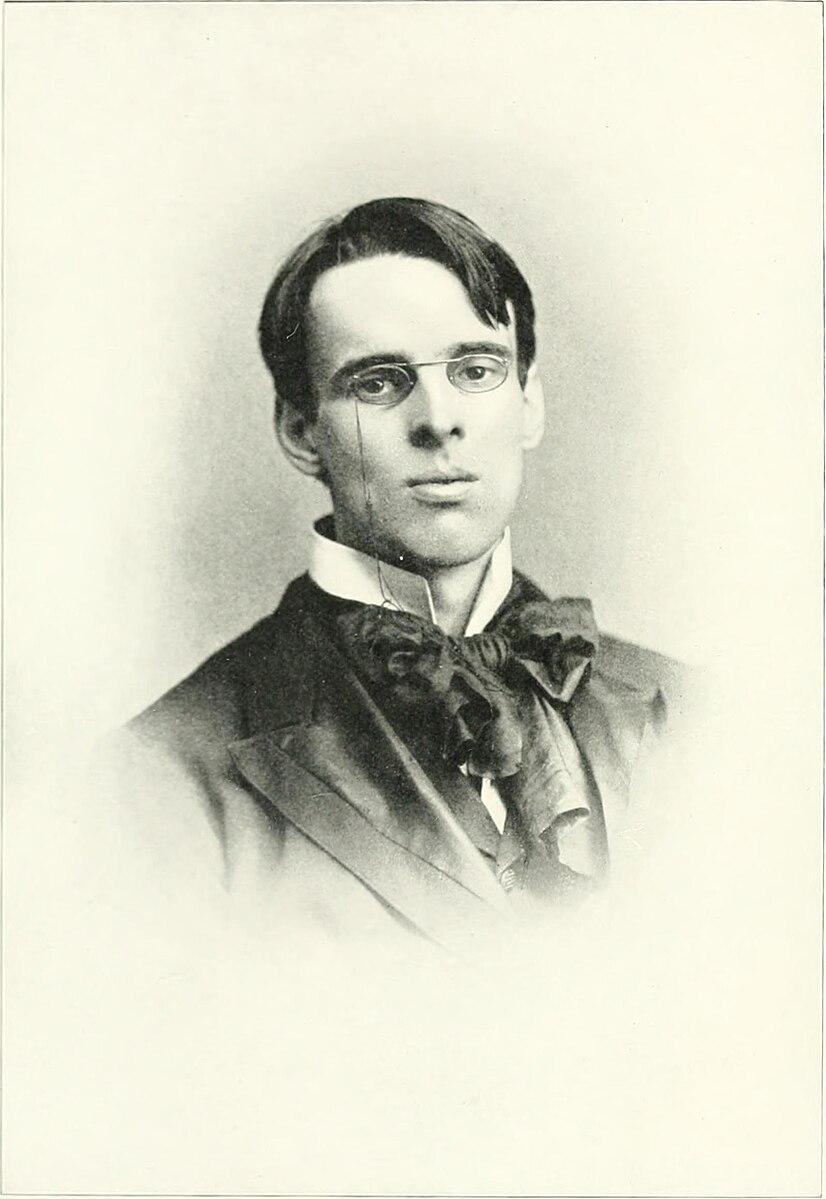
Yeats proceeds through a series of images that capture multiple aspects of this meditation: The love of youth in contrast to the loneliness of old age, the richness and abundance of the natural world (“fish, flesh or fowl”), along with the observation that even this busy world of the young is on its way toward death (“Those dying generations.”) Here, the hustle and bustle of the world has no place for old things or old men: “Caught in that sensual music all neglect/ Monuments of unageing intellect.”
Now, Yeats begins to introduce a new note, a world that stands apart from the energetic yet ultimately self-absorbed and sensual one described in the first stanza. This is a world of greater permanence; it’s the world of the civilization’s grand achievements, which point to an unchanging spiritual realm.
The second stanza continues the strain of the old man’s apparent worthlessness, the way he is neglected, but quickly turns to the possibility of recovering an inner youth and vitality through spiritual joy: “Soul clap its hands and sing, and louder sing/ For every tatter in its mortal dress.”
Some of this soul-song derives from the contemplation of humanity’s greatest artistic, philosophical, and religious achievements: “Nor is there singing school but studying/ Monuments of its own magnificence/ And therefore I have sailed the seas and come/ To the holy city of Byzantium.”
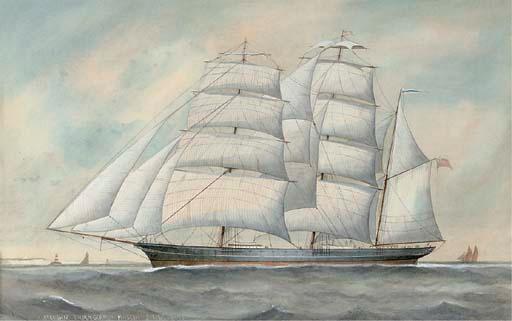
In Byzantium, Yeats sees a glimpse of eternity and a summation of Western civilization’s greatest achievements. As Yeats wrote in “A Vision,” “I think that in early Byzantium, maybe never before or since in recorded history, religious, aesthetic, and practical life were one.” Literary critic Harry Campbell explained:
A Nod to Keats
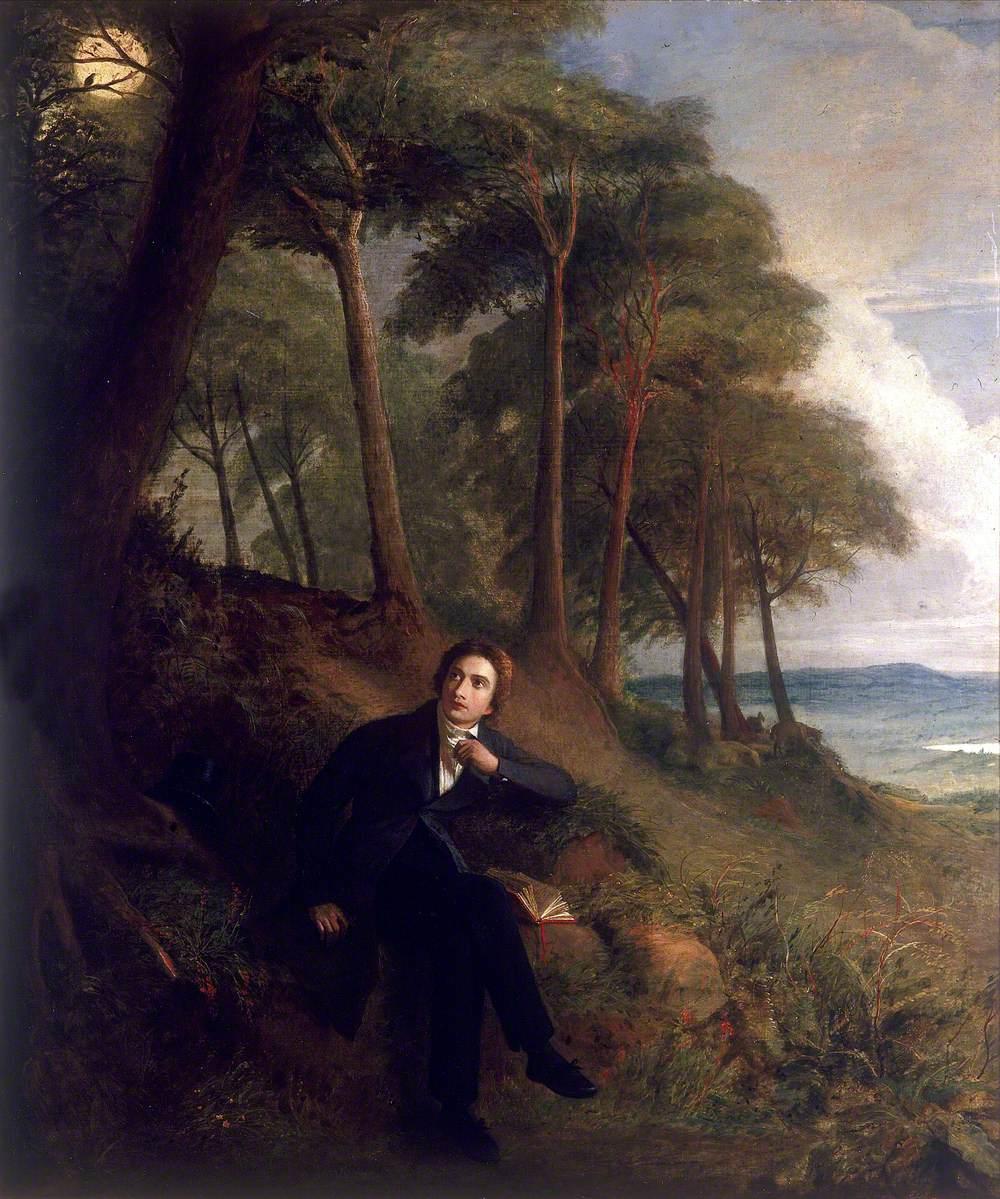
Byzantium becomes the poet’s entry-point into a heightened spiritual awareness, a place where the “sages standing in God’s holy fire” can “be the singing-masters” of his soul. He asks them to “Consume my heart away; sick with desire/ And fastened to a dying animal/ It knows not what it is; and gather me/ Into the artifice of eternity.” Here, the poet’s yearning reaches its fever-pitch. Like the speaker in John Keats’s “Ode to a Nightingale”—though from the perspective of tired old age rather than melancholy youth—this speaker desires to “leave the world unseen/ And with thee fade away into the forest dim/ Fade far away, dissolve, and quite forget/ What thou among the leaves hast never known/ The weariness, the fever, and the fret.”Like so much of the greatest poetry, this one strikes a resounding note of transcendent longing. It rings out like the distant bell toll that calls the wanderer home.
Once out of nature I shall never take My bodily form from any natural thing But such a form as Grecian goldsmiths make of hammered gold and gold enamelling To keep a drowsy Emperor awake.
As Campbell explains, Yeats chose an artistic work as his emblem of immortality rather than a living bird because, as the first stanza has made clear, all living things are subject to decay and death. He therefore compares immortal life to art. Why the legendary golden bird? Campbell wrote, “The bird in the Emperor’s palace that Yeats had read about was beautiful in appearance, enduring and precious (made of gold), and capable of singing songs that were both beautiful and full of wisdom.” It’s a fitting image for the vision of an afterlife that Yeats seeks to communicate.The haunting poem takes us to the highest points of vantage. From these mental and spiritual heights, we look down on the whole of the world and life experience and can see the true worth of things. Yeats shows us both transience and eternity, the tragedy of aging along with the hope that is lodged in the deepening wisdom and more refined spiritual taste of one’s later years.
Tearle put it succinctly: “One of the great meditations on ageing and wisdom, ‘Sailing to Byzantium’ is elusive and even mystical, but all the better for it.”