By most contemporary accounts, this kid was a mess, and failure would be his fate.
His father, who was rarely home, offered nothing but criticism and deemed his son a wastrel. His mother, too, was frequently absent, a socialite more interested in parties, pleasures, and other men. His schoolmasters in his elementary grades wrote negative reports about his academic performances and his character. As he himself would later state, “Where my reason, imagination or interest were not engaged, I would not or I could not learn.”
The boy was often a handful for the kind and patient nanny engaged to care for him. He could sit still when some object snared his attention—a book, some piece of martial poetry or song, the toy soldiers he treasured—but otherwise he was a redheaded dervish of perpetual motion, running, jumping from chair to chair, and issuing commands to peers and adults alike, his speech marred by a lisp when pronouncing the “s” sound.
Stones Rather Than Bread
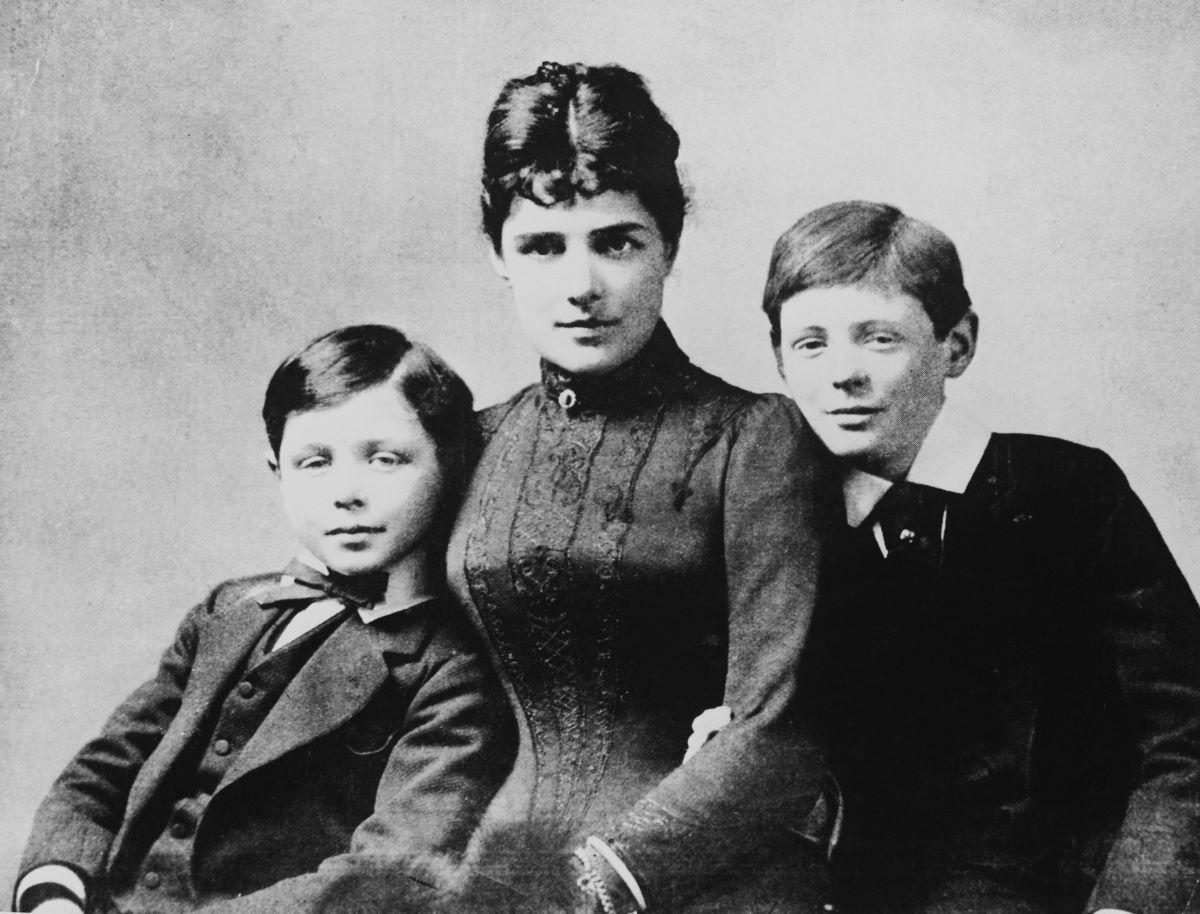
He writes at some length about Churchill’s parents. Lord Randolph Churchill was the third son of an aristocrat. With his oldest brother inheriting the bulk of the family’s fading wealth, Randolph was, to twist the famous first sentence in “Pride and Prejudice,” a single man in want of a wife in possession of a good fortune. He found such a wife in a headstrong American from a wealthy family, Jennie Jerome. The two became engaged three days after first meeting and were married in mid-April 1874. On Nov. 30, Jennie gave birth “prematurely,” as one paper announced, to Winston.
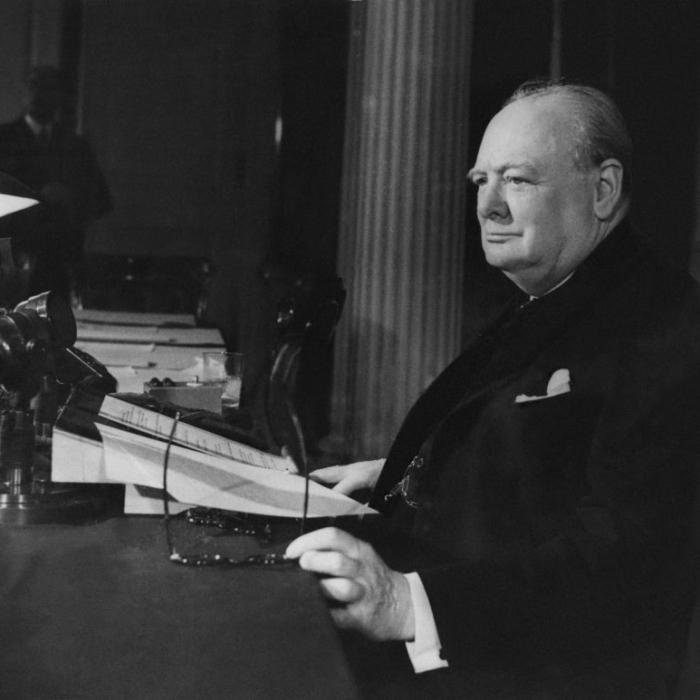
Their union produced an unhappy marriage. It also produced a negligent father and mother. As Winston Churchill’s son much later noted, “The neglect and lack of interest in him shown by his parents were remarkable, even judged by the standards of late Victorian and Edwardian days.” The aloof Lord Randolph was consumed by politics and illness, Jennie by the social whirl of the upper class.
The Well of Love and Affection
Given Lord Randolph’s verbal abuse and Jennie’s stones, therapists today might consider Churchill a victim of an attachment disorder, but a patient and loving nanny throws a wrench into that analysis.Just a few months after Churchill’s birth, Mrs. Elizabeth Anne Everest became his nurse. The “Mrs.” was an honorific of the time; Elizabeth Everest never married and had no children of her own.
Called “Woom” by Churchill—it was his toddler’s attempt to say “woman”—Everest is a caricature of the Victorian nanny in the best sense of that word. She kept an always watchful eye on her charge, calmed his frustrations and tantrums when he was small, helped him to learn to read, taught him his prayers, and lent a sympathetic ear to his troubles.
In return, Churchill loved her.
Words and Whippings
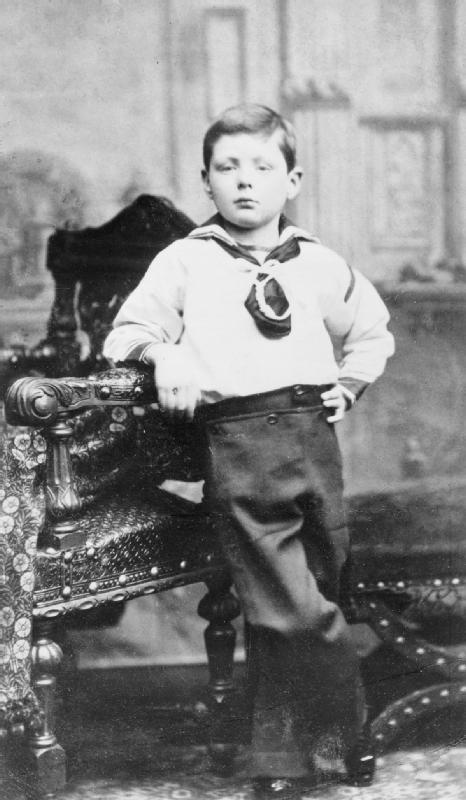
The 7-year-old Churchill wept when learning that his parents were sending him to a boarding school, St. George’s. He was unaware of it, but he had reason for those tears. St. George’s proved a horrible match for the boy. The headmaster with the Dickensian name H.W. Sneyd-Kynnersley flogged recalcitrant boys, and the rebellious Churchill gave him ample opportunities to swing the birch.
The headmaster’s reports back to Jennie were a string of negative assessments of her son: He “has been very naughty,” “He is still troublesome,” and he is “a constant trouble to everybody and is always in some scrape or other.” Finally, after one such whipping, Mrs. Everest discovered the welts crisscrossing Winston’s back and bottom, summoned Jennie, and he was promptly withdrawn from the school.
Dreams of Greatness
Even before he entered St. George’s, Churchill was fascinated by soldiers and the glory and renown to be won in battle. At age 7, he received his first set of toy soldiers. By the time he was a teenager, this collection had grown to over 1,500 men in arms, with which he reenacted battles like Blenheim, an English victory won by Churchill’s most famous ancestor, Gen. Charles Churchill, and Waterloo. At one point, trestles supported planks that ran the length of the nursery and served as the battlegrounds for his wars. It was while he was playing with these figures that Lord Randolph asked him whether he might like to be a soldier himself, a question that destiny would answer in the affirmative.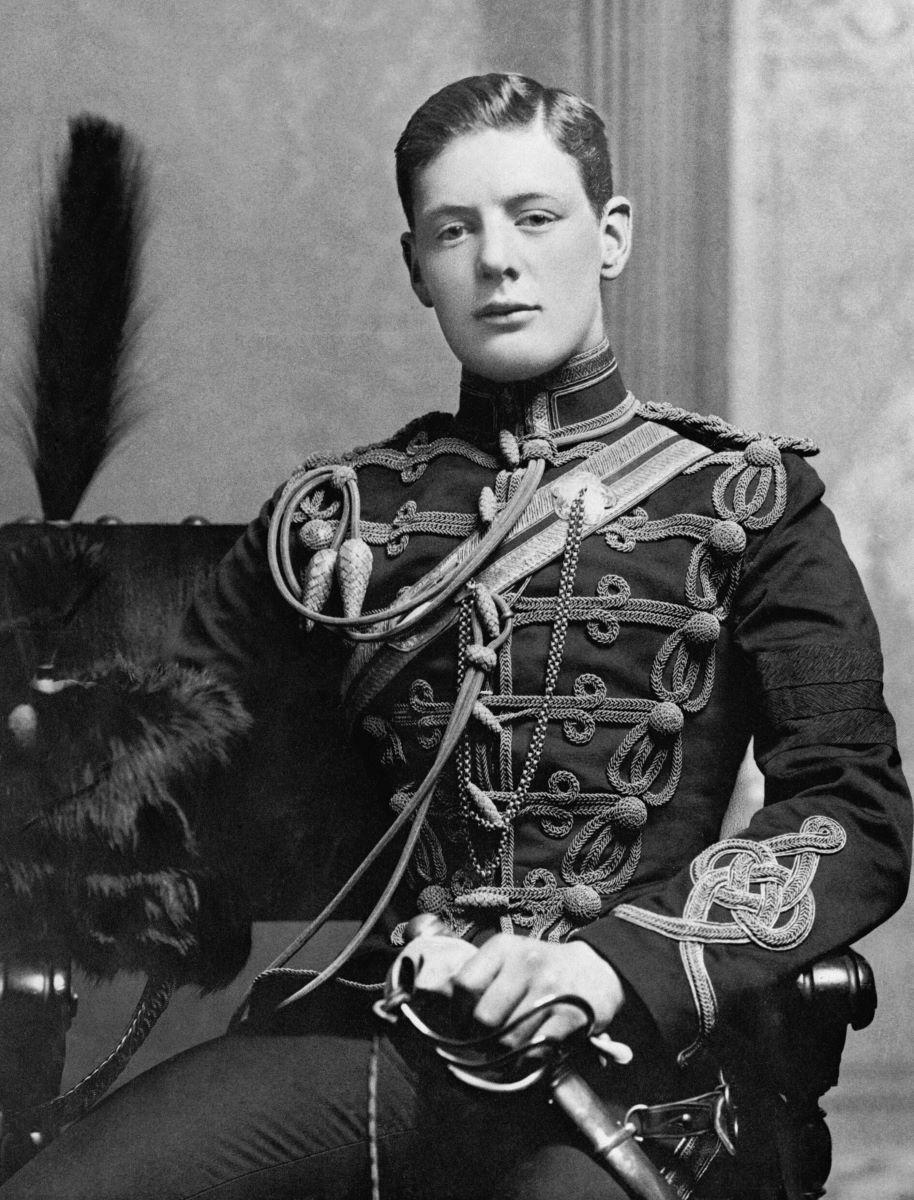
Two Points to Ponder
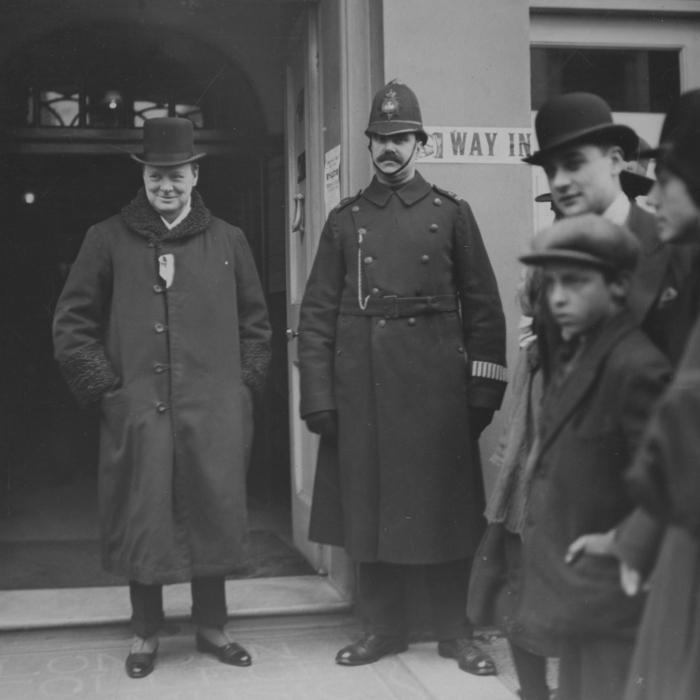
Looking at Churchill’s boyhood should remind us to take care while evaluating children. No one other than Churchill himself would have predicted that he might someday lead Britain in a fight for its life. Moreover, those very character traits that appeared negative in the child were ones that allowed Churchill to defeat the Nazi regime: his stubbornness, his daring to stand for what he believed, the love of country endowed by the histories he’d read, his interest in military matters, his genius as a speaker and writer. Manchester has aptly titled his first volume “Visions of Glory,” for those visions were present in Churchill practically from the crib.Moreover, Churchill’s early life reminds us that childhood is a mystery. Psychotherapists, whether practicing their craft on historical figures or patients, can only delve so deep into a personality. Below that depth are the unseen influences, unknown even to the recipient, which secretly shape us all.
“The child is father of the man,” wrote William Wordsworth in his poem “My Heart Leaps Up.” It is that child who fathered Winston Churchill.