“How many of you can tell me something about your parents?” Everyone’s hand went up.
“How many of you can tell me something about your grandparents?” About three-quarters of the class raised their hands.
“How many of you can tell me something about your great-grandparents?” Two out of 60 students raised their hands.
“Look around the room,” he said. “In just two short generations hardly any of us even know who our own great grandparents were. ... Within three generations our ancestors are all but forgotten. Will this happen to you?
“Here’s a better question. Look ahead three generations. You are long gone. Instead of you sitting in this room, now it’s your great-grandchildren. What will they have to say about you? Will they know about you? Or will you be forgotten, too?
“Is your life going to be a warning or an example? What legacy will you leave? The choice is yours. Class dismissed.”


The History of Us
Like those students, likely few of us—teenagers, moms and dads, grandparents—know little about even our recent ancestors. A few generalities, maybe a couple of details, but it ends there. Even in the case of our parents, we may one day find ourselves with questions that no one left alive can answer. We may know how our parents met and where they lived, but how many of us know why Mom fell in love with Dad or what she remembered of her own grandparents?Once those parents and grandparents are gone, the answers to such questions go with them. Gone, too, in so many instances are their dreams, their aspirations, and all the other thoughts they might have shared had we only asked.
With the celebration of the United States’ 250th birthday just around the corner, we’ll see a renewed emphasis on learning more about the history of our country. Articles, commentary, and podcasts will feature people from our past and how they connect to our present.
Dinner Table Talk
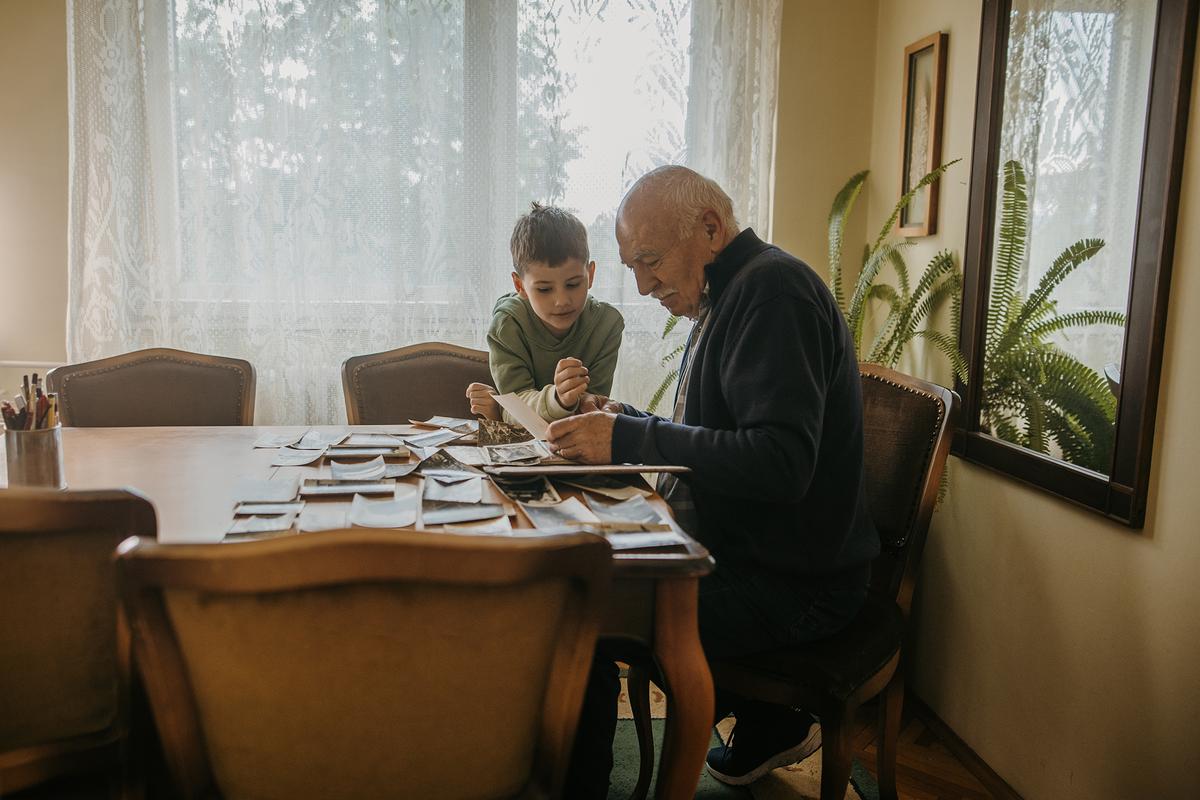
Advocates for a healthy family life stress the importance of shared meals, particularly dinners, and conversations. They are excellent opportunities for the young to discover more about their parents, grandparents, aunts, and uncles.Most pre-teens have a natural curiosity as to what their parents were like as children. My own grandchildren love to hear how their dad once got into trouble pretending walnuts were hand grenades and rolling them under cars passing in the street or when their mom, then age 5, shook the 15-foot ladder on which I stood while painting the house. When I said as a threat, “Do you want me to come down off this ladder?” she looked delighted. “Yes, come down and play with me.”

But don’t just stop with the stories. Our society is going through a tsunami of tech changes right now. My grandkids from age 6 to 18 handle gadgets that were beyond my imagination when I was their age. On the other hand, I can tell them about rotary phones, going to see Santa in the Sears store, and the farmers I saw croppin’ tobacco with mules and sleds. The history may sound ancient to kids in the age of hustle and screens, but by telling stories, we’re bringing alive a bit of Americana.
Appoint a Family Historian
Making your teens keepers of a living history project is an ideal way to get your teenager to learn American history. Delving into the recent family history via conversations with relatives is a surefire way to bring the past alive, even for students who claim to dislike history. What is history, after all, but people and their stories? The teen with an aversion to textbooks may find delight in playing detective and compiling family stories and legends.They’ll need to keep records, not just the vitals, but the stories of Uncle Doug’s childhood days or Grandma’s triumphs and tragedies while in college at Mary Baldwin. A few notes jotted down after the conversation will serve well enough to jog the junior historian’s memory.
Grandparents, Tell Your Stories
Your children and grandchildren are scattered all over the country. You gather on Thanksgiving, and for the winter holidays, you travel to one of the families and celebrate. On these occasions, there’s little time for reminiscing about your childhood or youth.
Pour yourself a coffee or your favorite libation, make yourself comfortable, and just start talking. You might begin with the grandfather you knew as a child, the games you played with your siblings and friends, or the music you enjoyed back in the 1960s. As you step into this river of memory, the current will become stronger and the memories will come faster. You’ll recollect the victories and defeats of your youth, stories that might help a grandchild cope with their own troubles. Someday, he may tell his own son or daughter your story for their comfort and edification.
Here’s another thought. If your grandfather was born in 1900, and you tell some of his stories, you’re relating family history that covers half of America’s history since the signing of the Declaration.
The point of this effort isn’t to trace your bloodline back to some duke or open the door to a closet full of skeletons, though for many people, these are worthy endeavors. Here you are striving for something more personal, a gift to the next couple of generations. Who knows? Maybe your stories also will be handed down for years into the future.
A final thought: Set in New York City, the 1948 police movie “The Naked City” and the television series it inspired in the late 1950s and early 1960s always ended with this iconic line: “There are 8 million stories in the naked city. This has been one of them.”
Whether you live in Manhattan, New York, or Manhattan, Kansas, you are a story unique unto yourself. You have shaped and been shaped by that story. If you want to leave that legacy mentioned by the professor, share your story with the folks you love. Pass it along. Your words will live beyond you and will touch the lives of descendants you will never see.