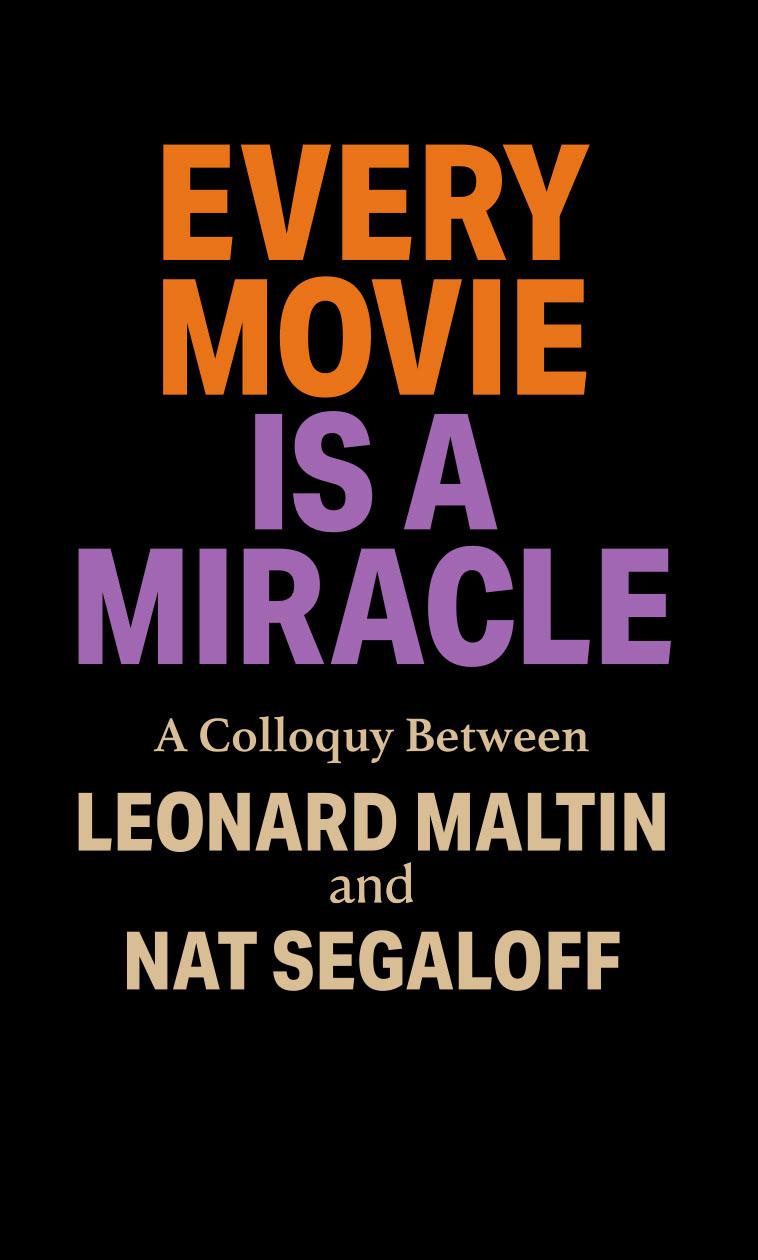
In “Every Movie Is a Miracle,” Leonard Maltin recalls his long and varied career in a book-length interview with noted film historian Nat Segaloff.
It’s a fascinating Q&A between two men with a deep love for all things cinematic. Segaloff’s questions are in-depth and wonderfully plumb Maltin’s knowledge and activities, while Maltin’s answers are delightful and often surprising.
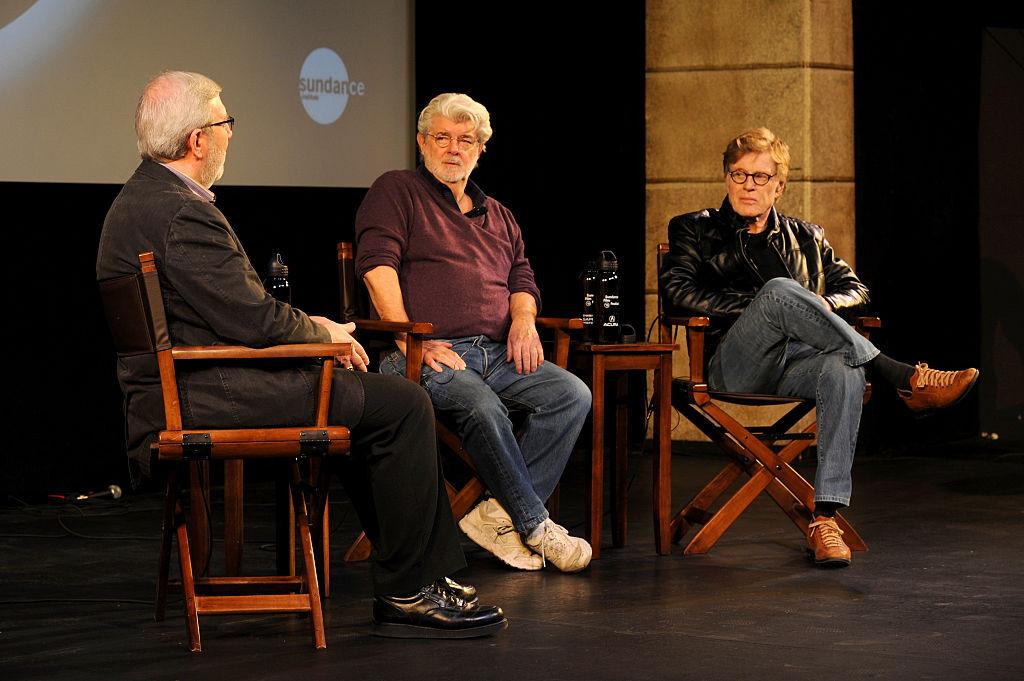
Whenever there is a discussion about the most influential film critics during the latter half of the 20th century, Maltin is often overlooked in favor of the likes of Pauline Kael, Andrew Sarris, or John Simon. Granted, Maltin never equaled Kael for her visceral opinions, Sarris for his innovative analytical skills, or Simon for his sharp and often corrosive verbiage.
But in his favor, Maltin brought the common touch to film criticism in his writings and broadcast appearances. His reviews are straightforward and to the point, crafted in a manner that simply but effectively explained whether a particular film deserves viewer attention. That’s not to say he dumbed down his work. Indeed, his skills as a film historian are considerable. He can be thanked for introducing new generations to old classics that might have otherwise been lost in oblivion.
An Early Love
The opening section of the book is the most charming. Maltin recalls his formative years in New York City and the New Jersey suburbs with the genial subject declaring, “I was the oddball who loved movies.”His movie mania came with a great curiosity of where and how the medium began. Serendipitous connections with legendary film collector John Griggs and historian William K. Everson led the young Maltin to rare prints of classic works that had disappeared from public view for years.


A TV Presence
More books followed, including his best-selling series of capsule reviews that went through several titles before being branded as “Leonard Maltin’s Movie Guide.” He gained greater attention reviewing films for Playboy. From 1982 through 2012, he had a high-profile gig as the film critic for the Hollywood-based syndicated television series “Entertainment Tonight.”The Hollywood section of the book offers a wealth of happy name dropping as Maltin recalls encounters with the likes of Warren Beatty, Julia Roberts, Robert De Niro, and Richard Dreyfuss. Maltin also offers rueful regrets on missing the opportunity for a lunch with Orson Welles; he’s even angrier at himself for passing on the chance to meet Vera Ralston, the queen of Republic Pictures B-movies during the 1940s and 1950s.
Perhaps the most poignant star encounter came with comic Pinky Lee, whose kiddie show on 1950s television was a favorite of the 4-year-old Maltin. When he coaxed Lee into doing his old TV theme song for the “Entertainment Tonight” camera, Maltin recalled how “the years melted away, and I was a kid again, and I remembered why I loved him.”
Maltin’s visibility on “Entertainment Tonight” led to some unusual incidents with stars whose films he panned. Sylvester Stallone was reluctant to be interviewed on the show after Maltin’s negative review of his 1984 flop “Rhinestone.” Burt Reynolds initially reacted with seething contempt after several of his film received bad reviews; he later put his unhappiness aside and offered to meet Maltin to discuss his place among Old Hollywood legends.
If there is one significant omission in the book, it’s regarding Maltin’s 2015 diagnosis of Parkinson’s disease. Maltin’s wife, Alice, briefly acknowledges his condition when she joins the Q&A late in the book, but nothing more is mentioned beyond a footnote stating Maltin spoke about the subject in an earlier book.
As for Maltin’s self-review of what he achieved, the answer might be his best critique ever given:
“I never set out to inspire anybody. I just pursued something I cared about and was fortunate enough to make a living at it. To know that I have steered some people to become immersed in the world of film, and even work in this field, is truly humbling.”