
Few things are guaranteed in life, except death, taxes, and the fact that in Mary Bryant Shrader’s household, food never goes to waste.
Her parents, Jim and Gloria Bryant, lived through the economic challenges wrought by the Great Depression in the 1930s—an experience that profoundly altered their perspective on food.
“My mother and father were from a very different generation than what we’re used to today. These are people who grew up poor,” Shrader, 67, told The Epoch Times in a recent interview.
“They had very little; everything was very precious to them. And so everything was planned very consciously—the pantry was stocked very consciously and every bit of that food was used.”
Shrader’s mother, who hailed from northern Italy, had a very simple mantra in life: Don’t waste.

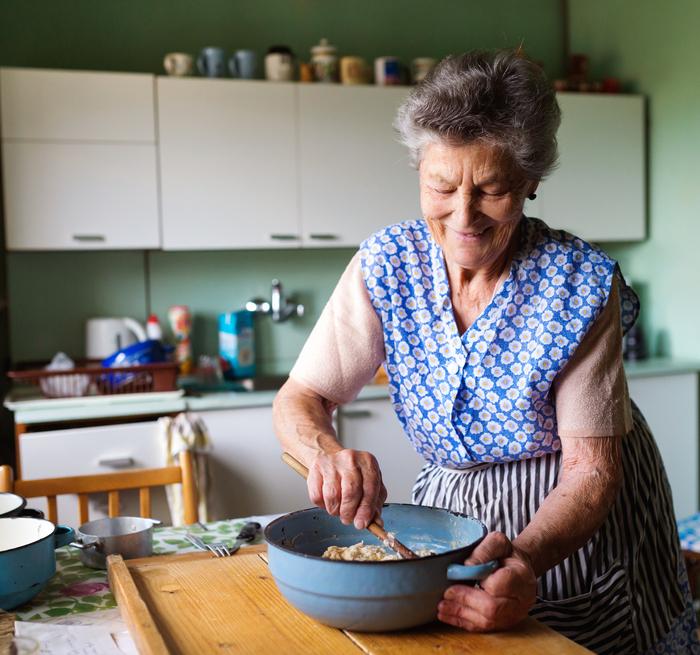
“My mother would always say: ‘Food is precious. Stock it, prepare it, preserve it, and then use it. Nothing should be thrown out,’” the author recalled. “My mother could make a meal out of scraps, and you would never know that these were just little bits and bobs of food that she had left over.”
Growing up, Shrader’s mother taught her everything there was to know about home cooking, along with various other household duties, such as cleaning, ironing, sewing, and gardening. “She was preparing me to be someone’s wife and someone’s mother,” the native New Yorker said.
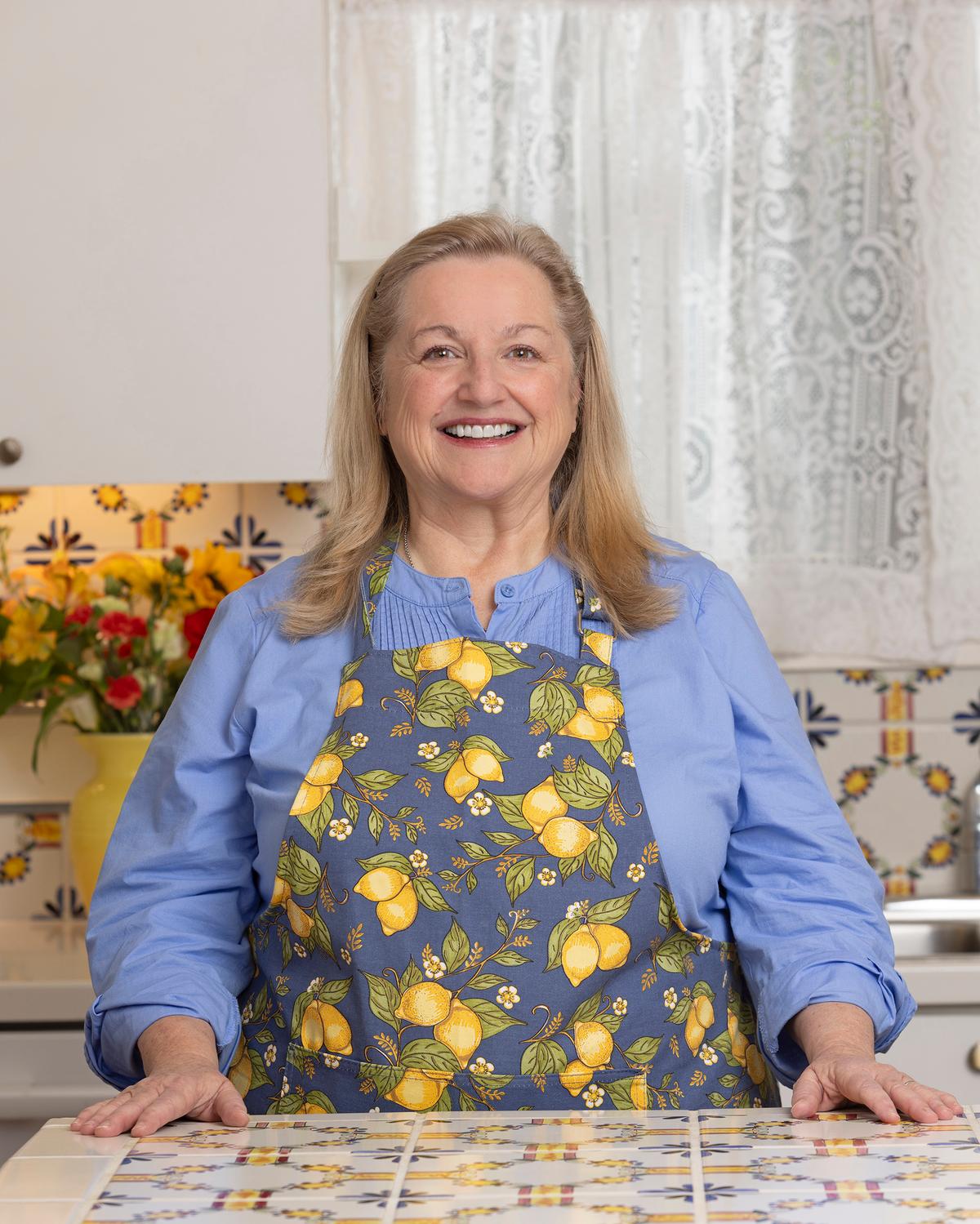
However, Shrader—ever the modern woman—envisioned a different future for herself, aspiring to follow in the footsteps of her father, an accomplished corporate tax executive.
So she went on to attend law school in her late 20s while holding a job in finance in Washington, eventually relocating to Texas (where her parents had moved for her father’s job) to launch her own law practice.
It wasn’t until she was nearing her 40s that she met her now-husband, Ted Shrader, and in 1998, they welcomed their first and only child, Benjamin.
Not long after, Shrader shuttered her law firm to devote herself to being a stay-at-home mom and homeschooling their son, who had severe dyslexia. The only problem was that her “gentle arts of domesticity”—as her mother called them—were a little rusty.
“Here I am living in the Texas Hill Country, with a wonderful husband, and he’s going to work every day,” Shrader recalled.
Modern Pioneer in the Kitchen
While Shrader was adjusting to newfound parenthood, her mother would visit daily, giving her a refresher course on how to easily whip up wholesome meals from scratch. Before long, she was imparting her mother’s cooking wisdom to the masses, hosting cooking lessons in her own kitchen and in homes around her town.In 2018, as her son was preparing to head off to college, Shrader started a YouTube channel and began posting videos of her classes online, eventually amassing more than 1 million subscribers.
Five years later, she published her first book, “The Modern Pioneer Cookbook,” a bestselling collection of nourishing recipes made the old-fashioned way, from homemade cultured dairy to soul-soothing bone broths.
“When I use the term ‘pantry,’ I have somewhat of a broad concept of that, and I call it the ‘Four Corners Pantry,’” Shrader said. “That includes the first corner, which is your basic working pantry where you stock your nonperishable foods that you access on a regular basis. Then, of course, the second corner is the refrigerator, the third corner is the freezer, and then the fourth corner is your extended pantry.”
Also known as the “prepper pantry,” the extended pantry serves as a secondary storage space for extra nonperishable foods, which can come in handy in an emergency or when the working pantry runs low.
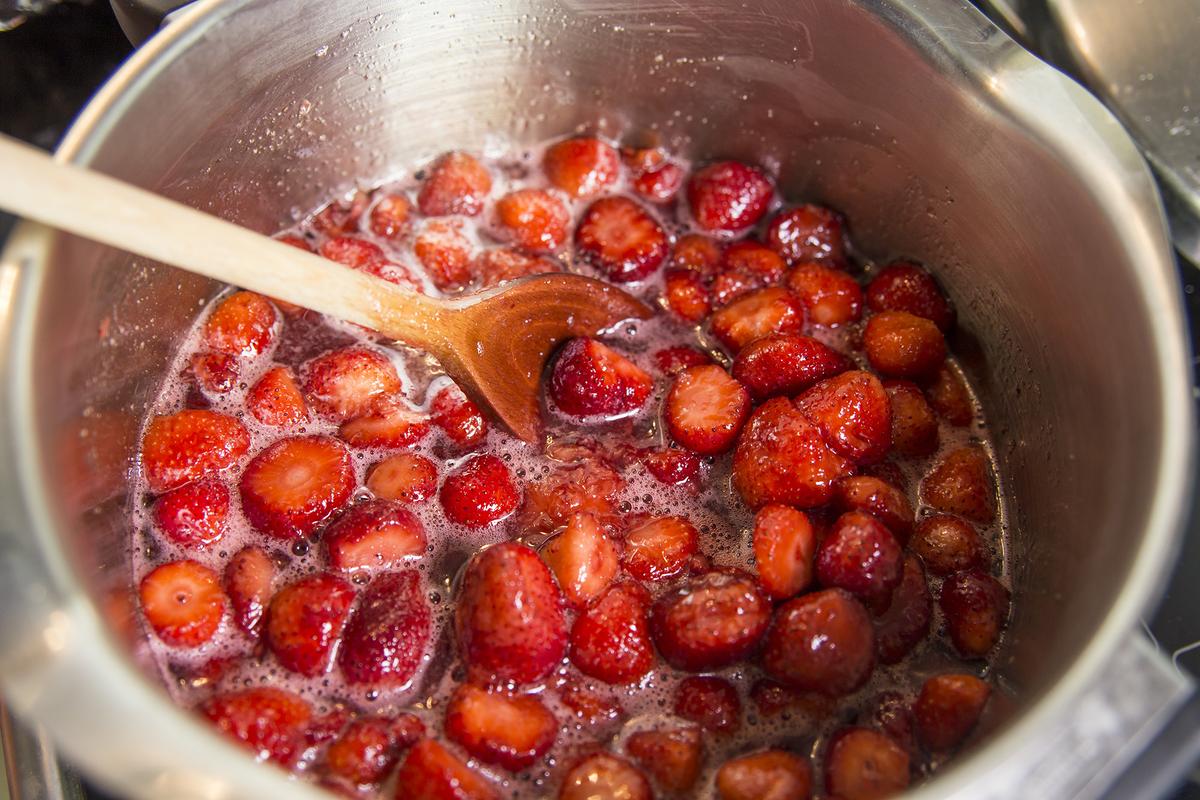
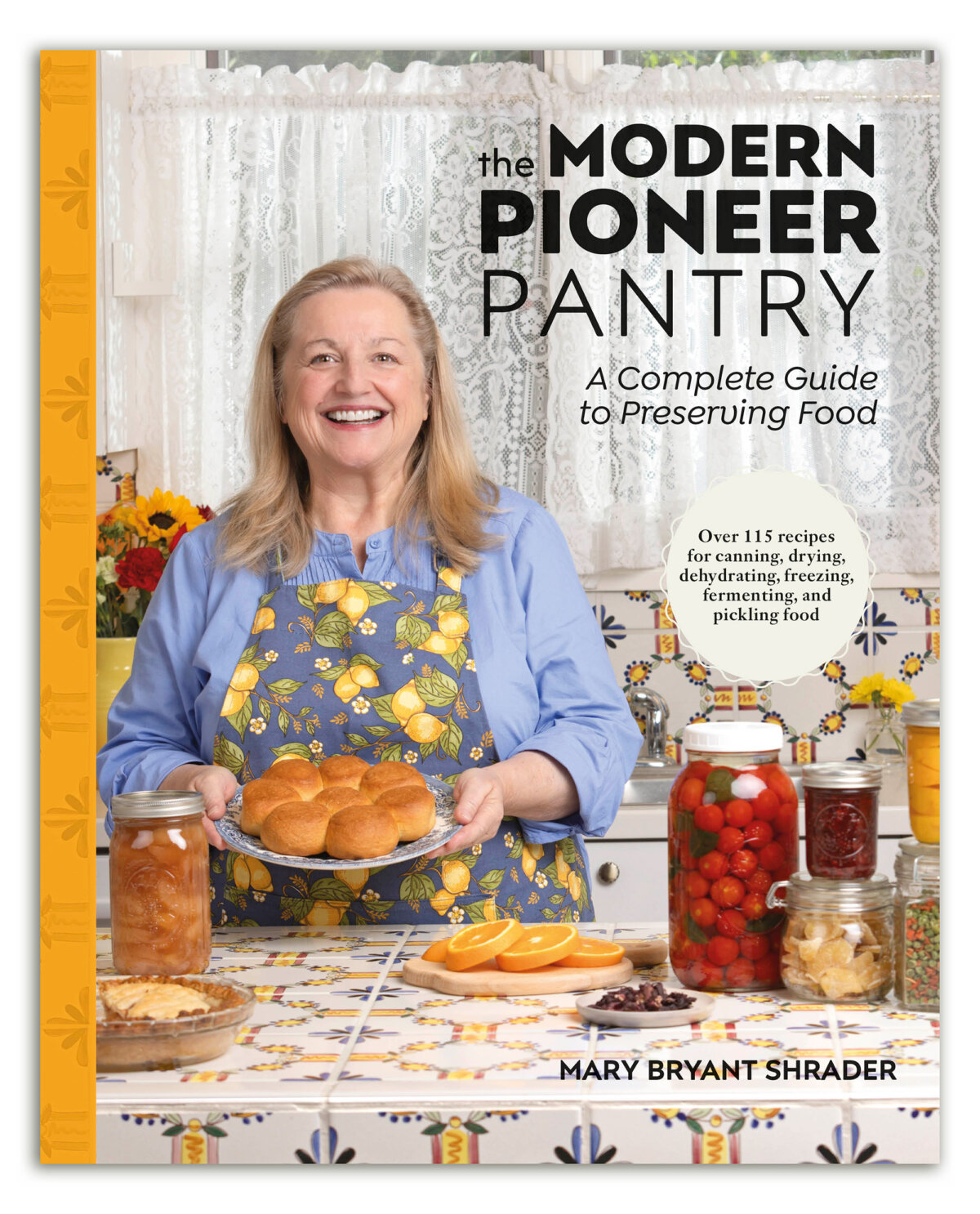
“The Modern Pioneer Pantry” also includes sections on drying and dehydrating, freezing and, of course, pickling, offering up an array of recipes that go well beyond classic cucumber preserves.
“What I like to tell people to do when it comes to food preservation is start with the things that are easiest and require very little financial investment,” the author said. “There are many ways to preserve food, and it’s best to learn with the most simplest approach to see if you like that form of food preservation and then go from there.”
By implementing these techniques, Shrader said people can get back to the basics, bringing the wisdom of ancestral eating into their modern kitchens in the process.
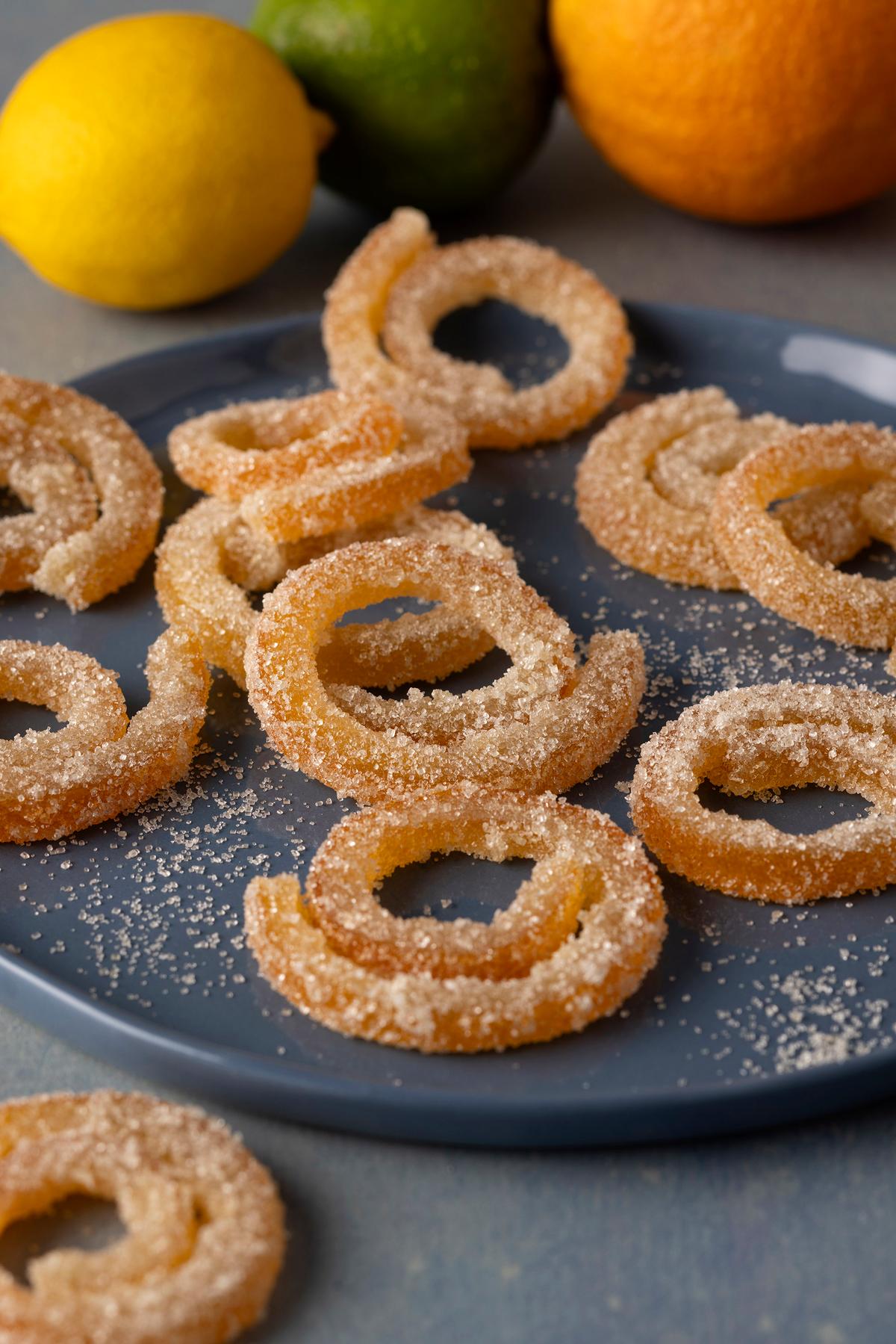
“Our ancestors dried food, they pickled food, and they preserved food through fermentation. Then, in the 1800s, we started to see home canning, and with the advent of refrigerators and freezers, we entered into the modern world,” Shrader said.
“But when we prepare foods the way our ancestors did, we have such a connection to them because they had learned through a millennia how to properly prepare food to maximize digestion and nutrient absorption.
“With modern cooking and recipe tweaking, food no longer resembles what our ancestors ate, and we lose our connection with them—we lose their knowledge. By learning how to properly prepare food and how to properly preserve food, we connect with their knowledge.