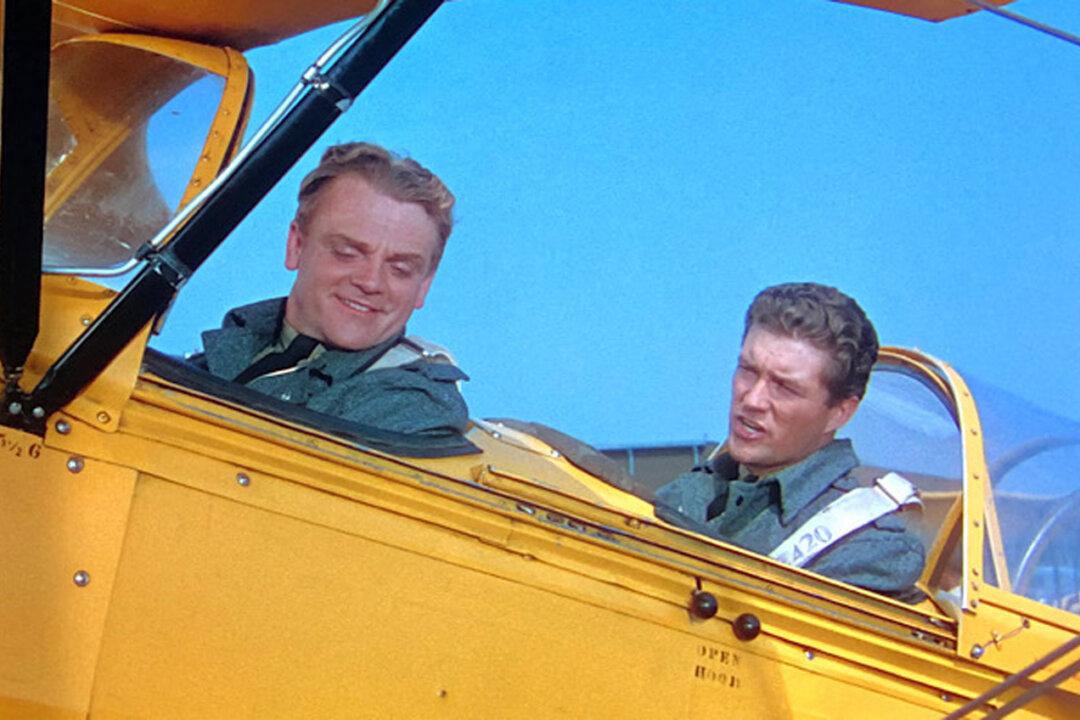
‘Escape From Fort Bravo’: Finding Hope Beneath the Desert Sun

Actor William Holden teams with then-up-and-coming director John Sturges in a Western that tests a soldier’s principles.
‘Escape From Fort Bravo’: Finding Hope Beneath the Desert Sun
Capt. Roper (William Holden), in “Escape from Fort Bravo.” MGM
|Updated:
0:00

NR | 1h 39m | Drama, Romance, Western | 1953

It’s no wonder that William Holden became one of the defining leading men of the 1950s. He could shift effortlessly between roles and film genres: charming romantic in “Sabrina,” conflicted soul in “Picnic,” and determined officer in “The Bridge on the River Kwai.”

Hollywood took full advantage of that vast range, yet the Western brought out his most rugged and fascinating side. When “Escape from Fort Bravo” arrived in 1953, audiences couldn’t get enough of cavalry outposts, wide desert horizons, and moral tests under the sun.

This movie had a sharper edge than most, with a look at war and loyalty that went beyond the usual gunfights and saloon brawls. It was also a sign of director John Sturges’s growing talent, hinting at the confident visual style he would later bring to “The Magnificent Seven,” the Western adaptation of director Akira Kurosawa’s “Seven Samurai.”

In “Escape from Fort Bravo,” Holden plays a Union officer in charge of a Civil War prisoner of war camp in the middle of the desert. His mix of discipline and restless energy makes him ideal for a story about men trapped by both fences and principles.
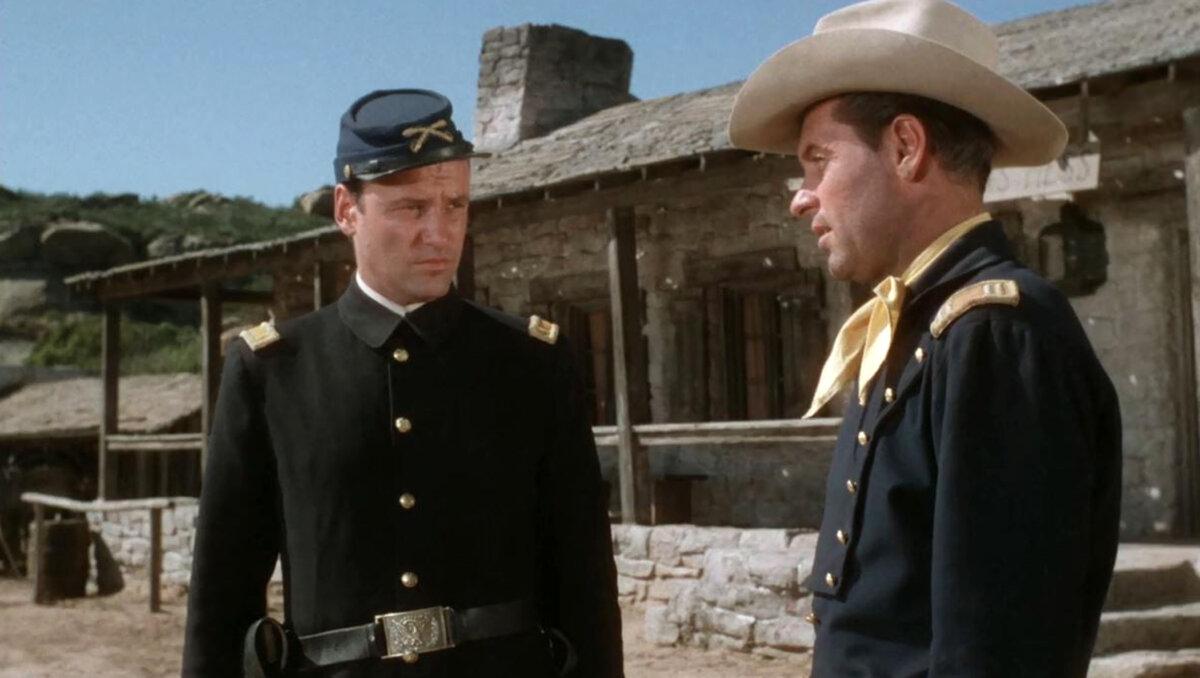
Lt. Beecher (Richard Anderson) disagrees with the methods of Capt. Roper (William Holden), in “Escape from Fort Bravo.” (MGM)
Lt. Beecher (Richard Anderson) disagrees with the methods of Capt. Roper (William Holden), in “Escape from Fort Bravo.” MGM
The production has a striking sense of place. Much of it was shot on location in the unforgiving landscapes of Death Valley and the deserts of New Mexico, where the heat almost radiates through the screen. Even before a single bullet flies, you can sense the weariness and watchfulness that hang over Fort Bravo, a place where the line between order and rebellion was always shifting.

No Easy Heroes

Captain Roper (Holden) runs Fort Bravo with the kind of discipline that could make a cactus salute. Roper’s strict approach to duty is apparent as he marches a captured Confederate escapee across the desert back to the fort, pushing the prisoner almost to the point of death. Back at the fort, even some of his own Union cohorts think he’s taking things too far.
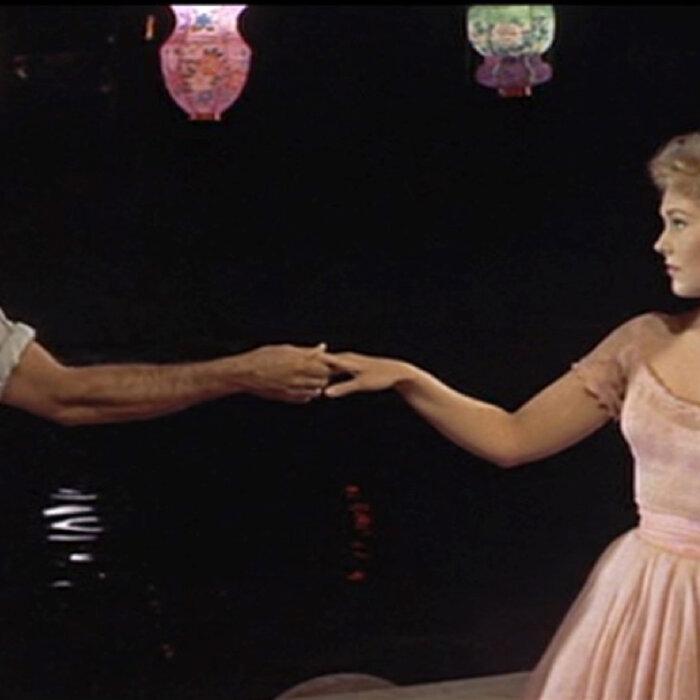

Roper’s methods are tested in unexpected ways. One of the prisoners catches his attention through daring cleverness rather than misbehavior; it sets off a series of events that challenge both guards and inmates. Desert heat and limited resources make each decision feel urgent, while the looming presence of deadly Mescalero Apaches outside the fort keeps everyone on their toes.
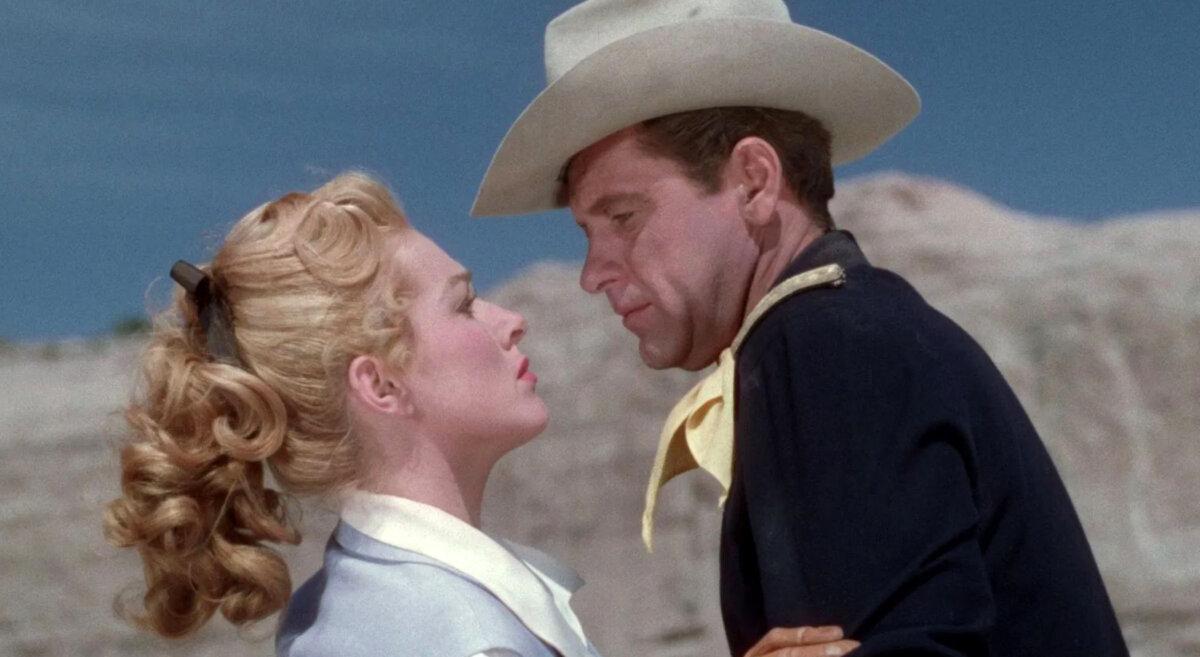
Carla Forester (Eleanor Parker) and Capt. Roper (William Holden), in “Escape from Fort Bravo.” (MGM)
Carla Forester (Eleanor Parker) and Capt. Roper (William Holden), in “Escape from Fort Bravo.” MGM
The film offers small human moments. Soldiers and prisoners argue, bluff, and test limits, showing flashes of pride, humor, and fatigue that make their behavior feel real under pressure. The story combines survival drama with moments of insight into the various characters. The pacing remains taut throughout, keeping the story moving without losing focus.

Finding Common Ground

Holden gives a performance that blends authority with just enough impatience to make Captain Roper feel fully alive, commanding attention even under the scorching desert sun.
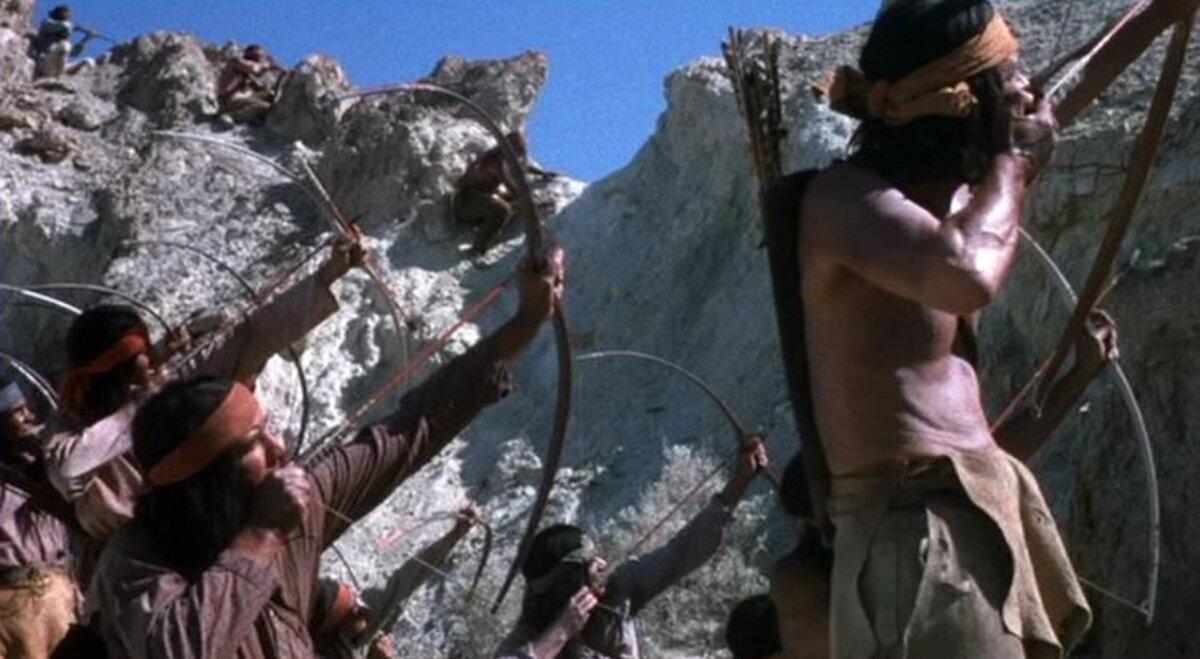
Mescalero Apache warriors, in “Escape from Fort Bravo.” (MGM)
Mescalero Apache warriors, in “Escape from Fort Bravo.” MGM

Eleanor Parker as Carla Forester and John Forsythe as Confederate rival Capt. John Marsh also shine. The romantic thread never slips into syrupy territory. It supports the story, adding a bit of warmth to the film’s harsher themes.

The setting feels alive as well, with the windblown dust and sun-bleached landscape shaping how the characters move and react.

Story elements feel familiar to later ensemble adventures where people with conflicting loyalties must learn to rely on one another because of shared threats. It emphasizes cooperation and clever problem-solving, even when authority and rules seem rigid.

Beneath the strict routines and desert hardships, “Escape from Fort Bravo” celebrates human adaptability and cooperation. Without giving away key plot details, the film suggests that survival and progress often depend on finding common ground. It’s a reminder that, even in divided settings, working together can lead to unexpectedly positive outcomes.

“Escape from Fort Bravo” is available on Amazon, Fandango At Home, and YouTube.
‘Escape from Fort Bravo’ Director: John Sturges Starring: William Holden, Eleanor Parker, John Forsythe Not Rated Running Time: 1 hour, 39 minutes Release Date: Dec. 4, 1953 Rated: 3 1/2 stars out of 5
What arts and culture topics would you like us to cover? Please email ideas or feedback to [email protected]
Google LogoMark Us Preferred on Google
Ian Kane
Ian Kane
Author
Ian Kane is a U.S. Army veteran, filmmaker, and author. He is dedicated to the development and production of innovative, thought-provoking, character-driven films and books of the highest quality.