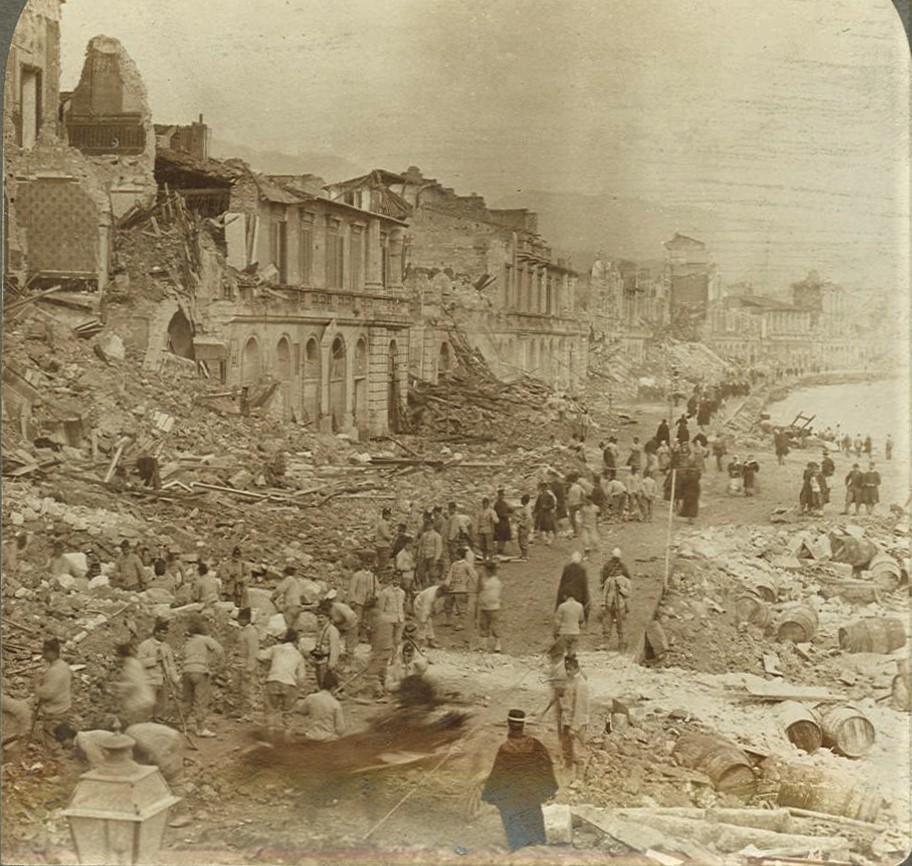
The sun had yet to set on the Sicilian port city of Messina. Its citizens were nonetheless fully awake. Nature’s alarm clock did not come from the sky. This time, it came from the ground.
During the early morning hours of Dec. 28, 1908, Europe experienced its most catastrophic earthquake. The phenomenon began at 5:20 a.m. in Messina, causing massive destruction to the city. By the end of the earthquake, as many as 60,000 people (approximately 40 percent of the city’s population) were killed. But the devastation had only begun.
The port is located in northeast Sicily, along the Strait of Messina. Directly across from Messina is Calabria, the region of southwest Italy. From the earthquake arose a tsunami, with 40-foot waves crashing into Italian coastal towns.
Wireless and the Republic
The 570-foot long and 68-foot wide luxury cruise ship, RMS Republic, of the White Star Line, sat in the New York Harbor. Its 300 crew members awaited the 461 passengers to board. Among the crew was John “Jack” Robinson Binns, the ship’s 25-year-old wireless operator. Binns had grown up an orphan in England, had shown an early interest in telegraphy, and began his career with the British Post Office before joining the Republic at the age of 21 as a wireless operator for the Marconi Company.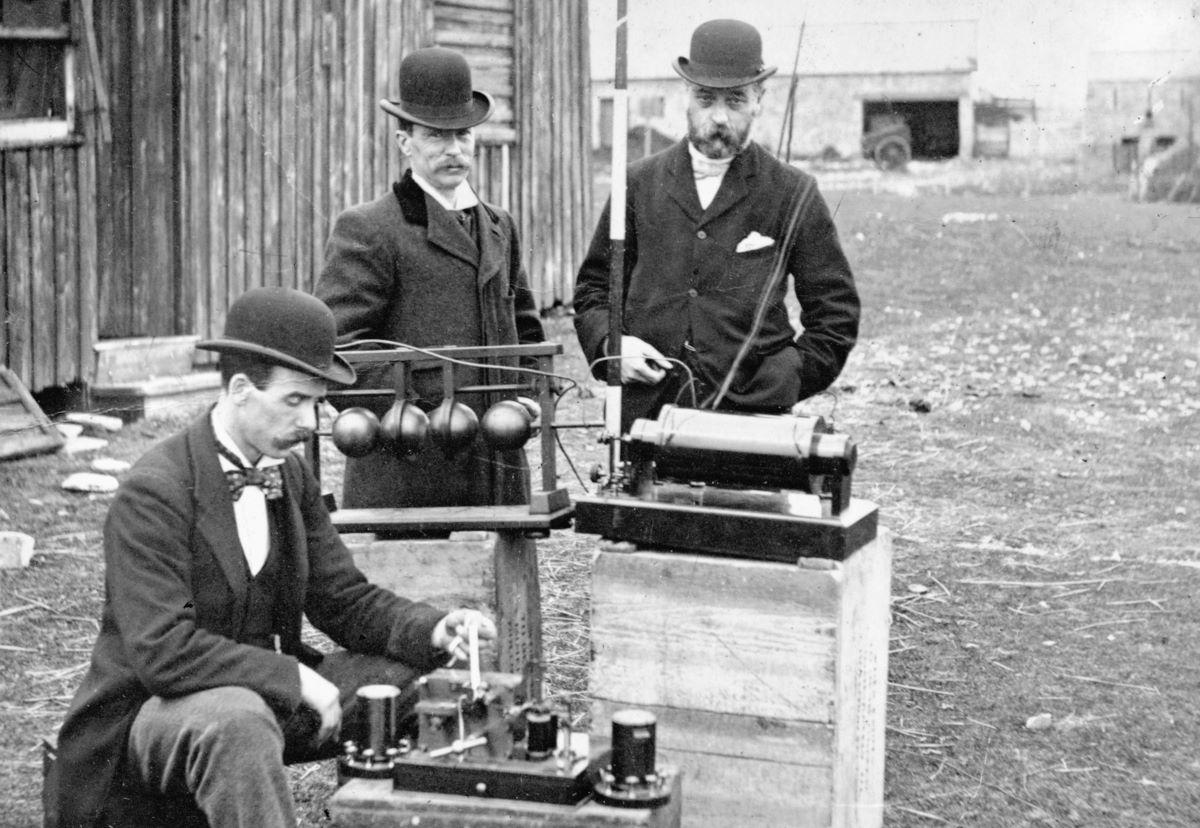
The Marconi Company was founded in England at the end of the 19th century by Guglielmo Marconi, the Italian inventor known as the “father of radio.” By the end of 1901, Marconi had established a wireless station in America in Siasconset, located on the eastern end of Nantucket. In 1903, shipbuilders and shipping companies began putting Marconi wireless sets in their vessels. Wireless telegraphy completely revolutionized the speed of information about the globe, allowing for messages to be transferred from station to station instantly. Soon, the Siasconset station was in communication with approximately 250 passing ships each day.
Crash at Sea
In the afternoon of Jan. 22, 1909, with all passengers aboard, the RMS Republic left the New York Harbor to begin its voyage across the Atlantic Ocean and toward the Mediterranean. The passengers celebrated the start of their winter cruise late into the night. By this time, a thick fog was upon the waters. The ship’s fog horn blew consistently as it cautiously worked its way through the crowded sea lanes off Nantucket, known as the “Times Square of the Atlantic.” The fog was troublesome, but it helped that the Republic was modern, possessing all the latest technologies, and was believed to be “practically unsinkable.”
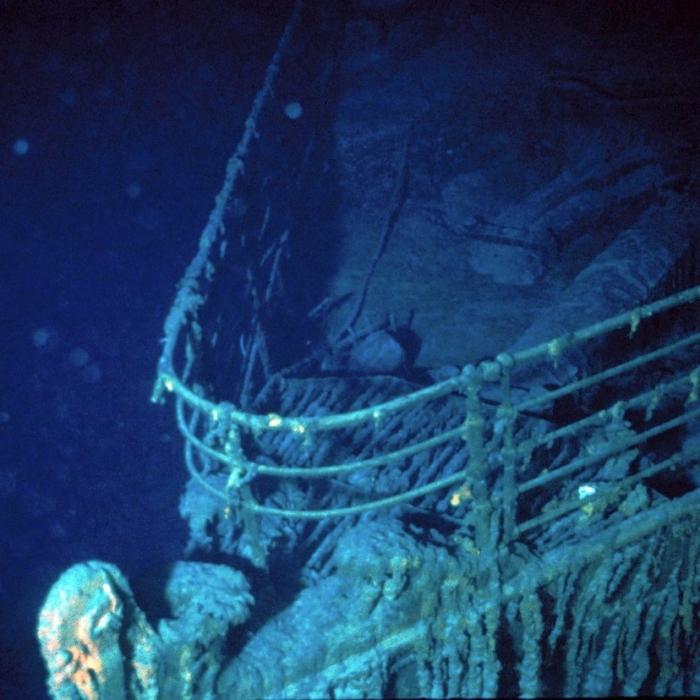
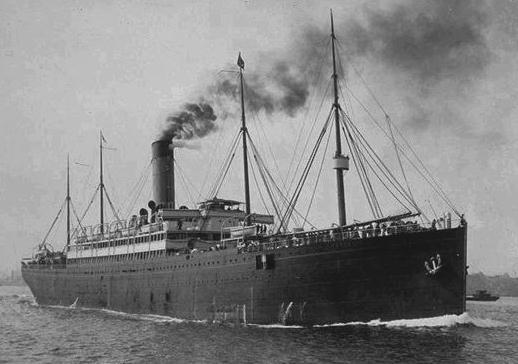
The fog only thickened as the cold night wore on. A smaller ship, having sailed from Italy, was now also in the thick of it. The Florida arrived in America’s coastal waters late into the night of Jan. 22, but by the early morning hours of the following day, it was approximately 30 miles off its course. The Republic and the Florida were now sailing directly toward each other.
Binns’s Message
Binns, asleep in his Marconi cabin, was thrown out of bed from the violent crash. He watched his cabin “being ripped away.” The roof had collapsed and water was flooding in. Without panic, he grabbed his wireless contraption, hoping it had not been destroyed. Almost immediately, the ship’s power went out.The Florida, its bow crushed like an accordion, retained power, but it didn’t possess wireless, and therefore could not send a distress signal. Aboard the now sinking Republic, sending a signal without power was impossible. Binns, however, remembered there were emergency batteries belowdecks. He worked his way down several decks amid the pitch dark and chaos and then returned to his partially destroyed cabin to spend however many hours the sinking ship had left trying to make contact. Sending a message through battery power, however, greatly diminished the wireless range to only about 60 miles. Considering these limitations, the only hope was to reach the Siasconset station.
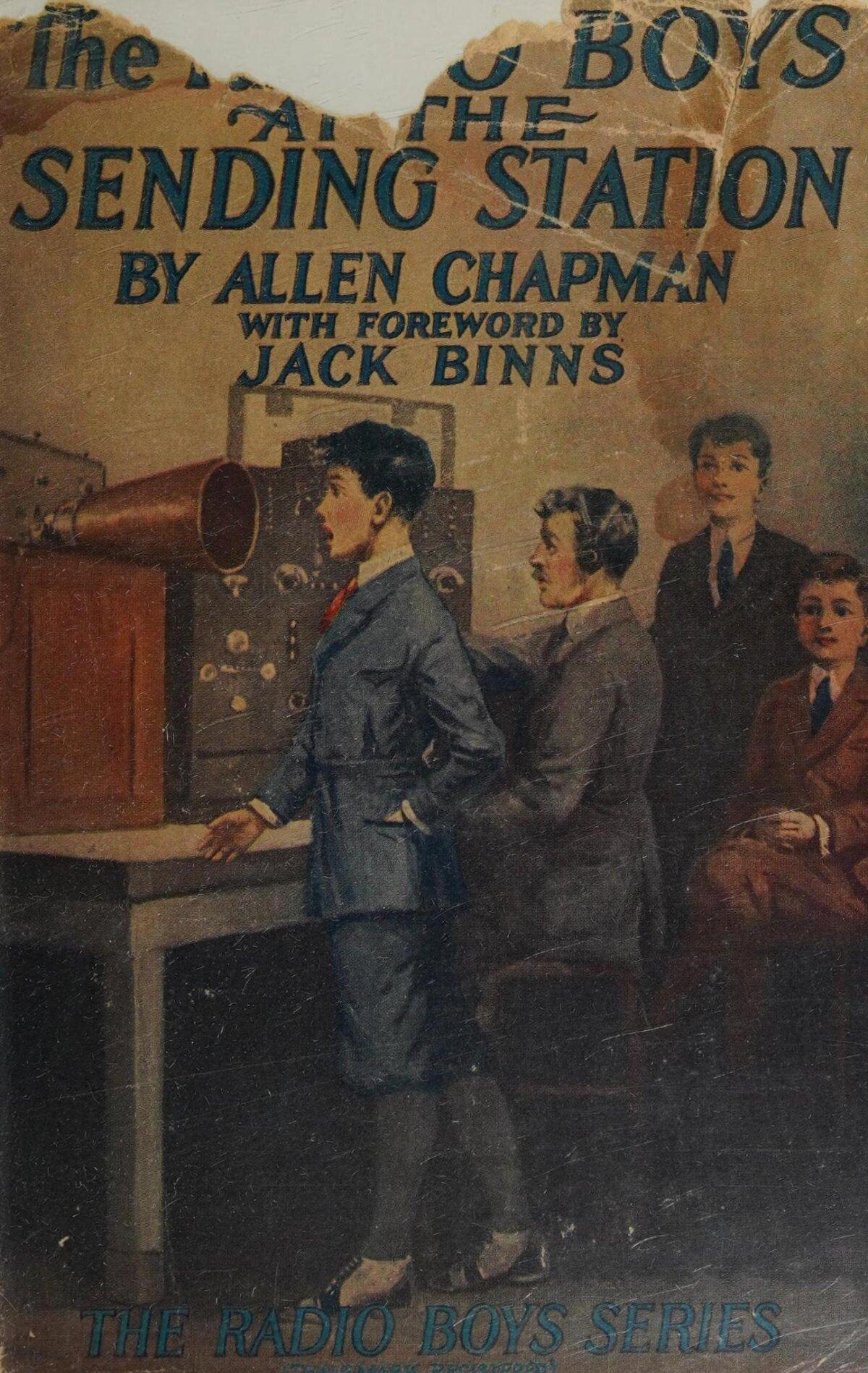
At the Siasconset station, Irwin was working the graveyard shift. While adding coal to the station’s dwindling fire, the sleepy and cold operator stopped in his tracks. An odd message was coming through. In fact, it was the first time the CQD message had been relayed for a maritime emergency. After Binns sent the initial CQD, he went to the ship’s bridge to receive information from Capt. Inman Sealby about the ship’s condition and location. He then returned to his wireless.
Immediately, Irwin began putting the word out through the wireless that a collision had taken place and that hundreds of lives were at risk.
Transferring the Passengers
While Binns and Irwin worked at their respective stations, the crew of the Republic, led by Capt. Sealby, coordinated the massive undertaking of transferring all of its passengers to the Florida. The Florida had pulled away from the Republic, which was sinking at a rate of one foot an hour. The separation made the transfer safer, though no less difficult. With only 11 lifeboats, the transfer of 459 passengers (two were killed in the crash) and then almost the entire crew was an arduous and time-consuming task.The transfer of passengers was helped by the calm demeanor and strong leadership of the Florida’s captain, Angelo Ruspini. Despite losing three of his crew members in the collision, Ruspini’s crew worked successfully to help the Republic passengers aboard and stave off any panic among the Italian seafarers.
Reaching the Baltic
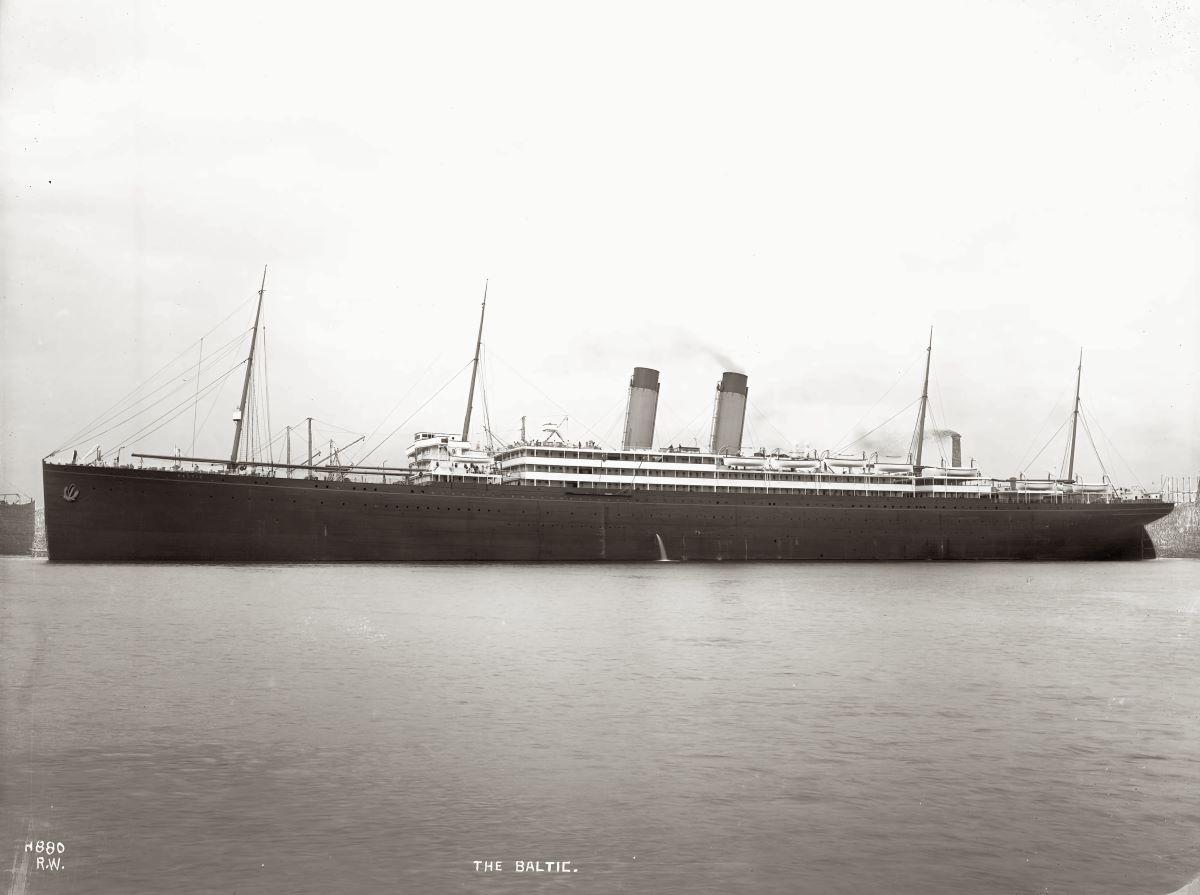
Binns remained at his wireless, sending messages directly to the Baltic. Many of his messages concerned the sinking ship’s changing location, as the strong current moved the vessel about. By 4 p.m. on Jan. 23, the Baltic’s return wireless signal was strong, suggesting it was close by.
“[I]t was decided that the Republic should fire her last bomb at a certain precise second, and they would listen very attentively to hear it. That second arrived, and Boom! went the bomb. But it proved in vain—they did not hear it,” Binns recalled. “It looked like a forlorn hope. The Republic was gradually sinking, night had come upon us, the Florida was floating somewhere in the neighborhood fearfully crowded. … What were we to do?”
The Republic remained shrouded in dark and fog. Its only light came from the eight remaining crew members’ lanterns. With only one bomb left between the two ships, Binns communicated for the Baltic to detonate it. The crew waited in deafening silence. The bomb was detonated. To the crew’s relief, it was heard. An officer relayed the perceived bearing between the two ships to Binns, who relayed the direction to the Baltic. Sealby, Binns, and the remaining men anxiously waited aboard the sinking vessel.
The Baltic Arrives
The answers were yes and yes. The Baltic blew its fog horn. It was now close by though not visible. Binns messaged that the ship was moving in the right direction, but to do so “very cautiously as we have no lights.”“[F]ifteen minutes later I heard a tremendous cheer.” The Baltic had arrived alongside the Republic. Despite the night, the fog, no lights, and the ship constantly being pushed along the current, wireless proved a most valuable asset. All passengers and crew once more made the transfer from one ship to the next. Never before had such a transfer of a large group of people from one ship to another been undertaken without a single loss of life.
The American press heralded the rescue mission and the use of wireless. More than 1,500 people were rescued from the maritime wreck, which could have very easily been a maritime disaster. Along with celebrating the technology of wireless, Binns and Irwin were celebrated as modern-day heroes, especially the tireless Binns.
It was attempted to tow the Republic to shore, but it had already taken on too much water. The Republic came to rest at the bottom of the Atlantic. Capt. Sealby stoically went down with the ship, but, by some miracle, he bobbed back up to the surface, unharmed. He, too, was pulled aboard the Baltic. When the Baltic arrived in New York, thousands gathered in the harbor to celebrate their arrival.