A melody can spark the imagination, thrill the senses, and speak to the soul. A simple combination of notes can transmit profound ideas and images and uniquely communicate across continents and centuries to the individual who hears it.
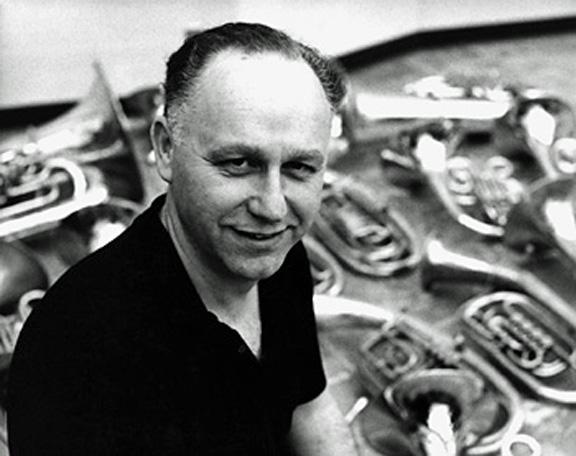
When a melody accompanies a dramatic work, whether for stage or screen, it can make characters come to life. One unforgettable theme lifted a film composer from obscurity after almost a decade in Hollywood—David Raksin.
Silent Beginnings
In a 2000 article for a University of Southern California magazine, David Raksin said: “What you can’t do with a camera or dialogue, music has a way of taking care of. It gets at the deeper emotions that aren’t always expressible on film. People who are skeptical about the value of film music should be condemned to watch films without it.'’Interestingly, Raksin began his film career with a movie almost without dialogue. Few composers can say they got their start in 1936 by working on a silent film, since talking pictures eclipsed silent movies in the late 1920s.
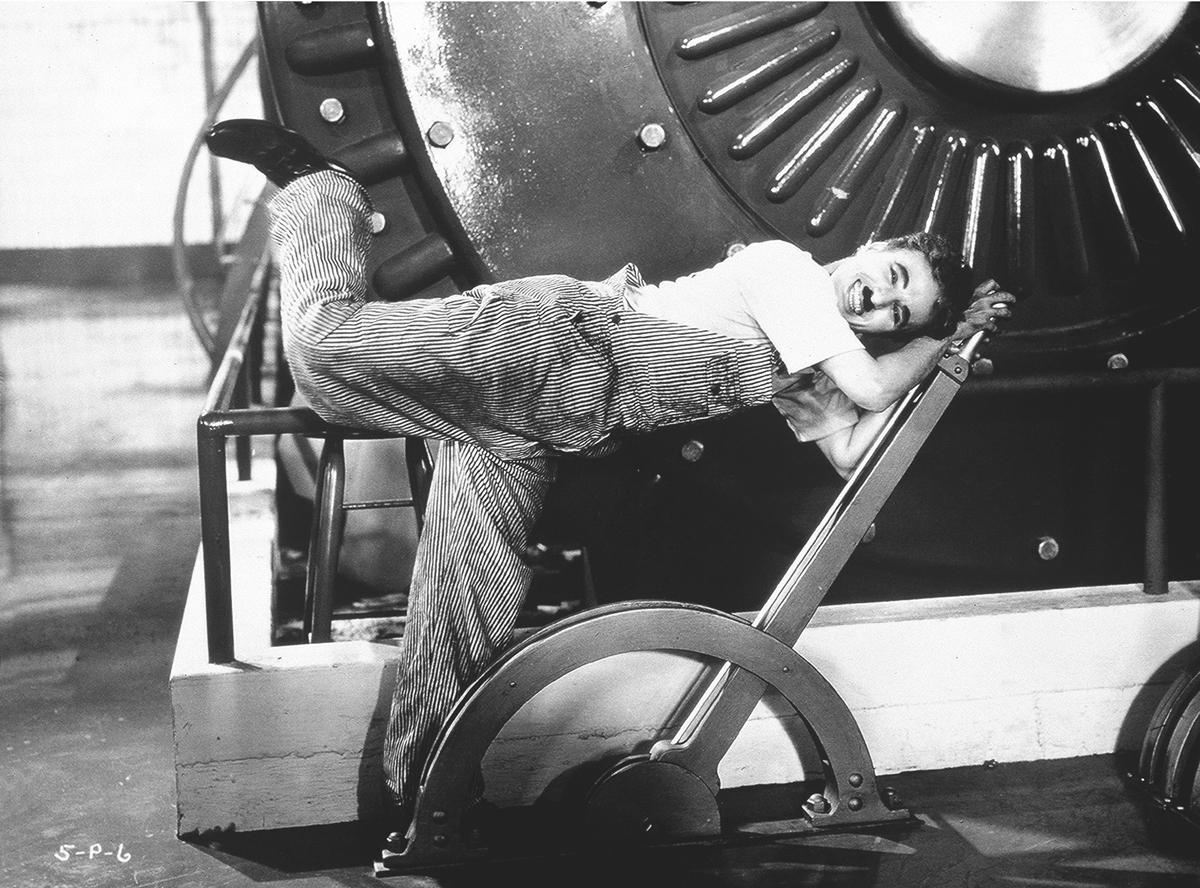
However, Raksin’s first film credit was working on “Modern Times,” the 1936 Charlie Chaplin classic; this was the silent comedian’s last outing as his famous “Little Tramp” character.
Chaplin famously composed the beautiful theme for the film, which was later edited and published as the popular tune “Smile,” made famous by singer Nat King Cole. Although Chaplin was incredibly creative, he didn’t have formal musical training, so he relied on trained composers to help him organize his themes.
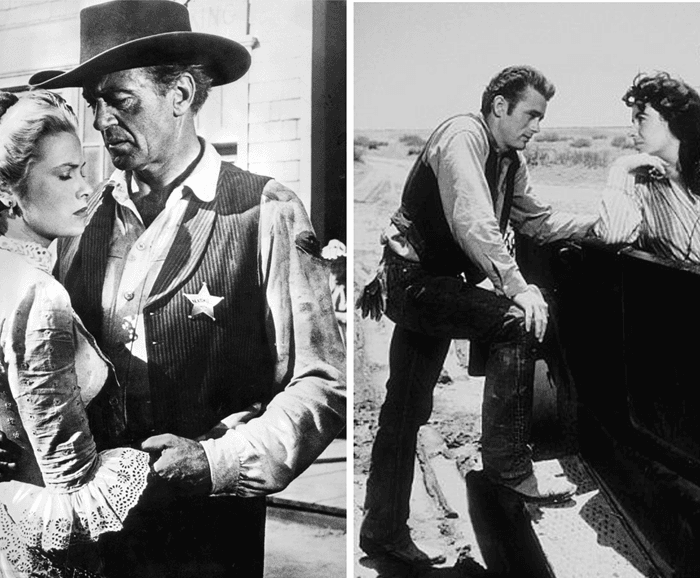
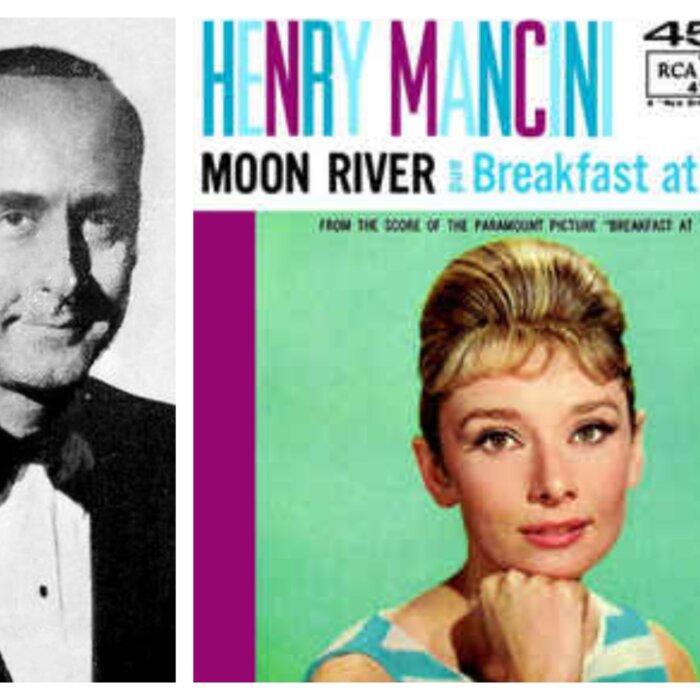
One of those composers was the 23-year-old Raksin. He’d been hired by music director Alfred Newman to work as arranger in conjunction with Edward B. Powell.
‘Laura’
The 20th Century Fox film “Laura” (1944) showed every indication of being a run-of-the-mill detective mystery. The screenplay looked like nothing special, so screen beauty Hedy Lamarr passed on playing the title character, leaving it to newcomer Gene Tierney.After Newman and Bernard Herrmann turned down the film, Raksin eagerly accepted the project. As Raksin said in a later interview, ‘‘The word was around the studio that it was a ’hard luck picture' from which all sensible people shy away for fear of being tainted.”
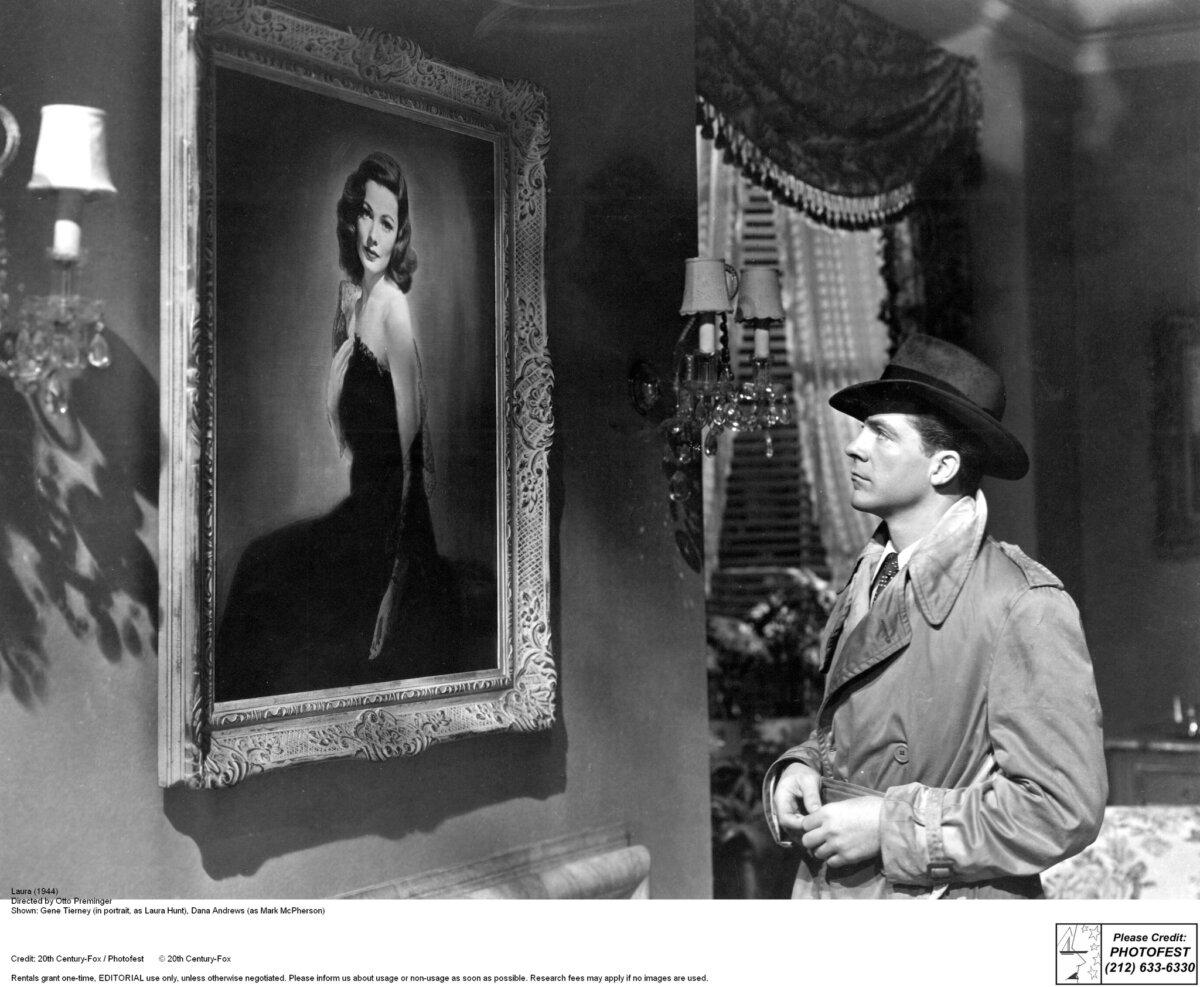
Raksin had little to lose, as he was already dubbed an avant-garde composer because of the influence of Austrian American composer Arnold Schoenberg on him and thus relegated to horror films and science fiction flicks.
As with Chaplin, Raksin refused to let director Otto Preminger boss him around. Preminger wanted Raksin to arrange Duke Ellington’s “Sophisticated Lady” or George Gershwin’s “Summertime” as the theme song for the title character. Raksin argued against both because “of the accretion of ideas and associations that a song already so well-known would evoke in the audience.”
Instead, he presented an original theme to represent the ghostly leading lady, who is first introduced as just a portrait and a memory. The haunting theme song is played 17 times throughout the film. Its variations serve as the whole score, yet the song is never played in its entirety.
This gives the unforgettable melody an even more powerful phantasmal quality, since it remains just out of reach. Raksin called this connection between ‘’the ephemeral girl and the interrupted melody.’’
The theme was then coupled with lyrics by Johnny Mercer and turned into a popular song of the same name. An instant hit, it was the second most-recorded song he'd written during Raksin’s lifetime. Songwriter Cole Porter said that “Laura” was the only song he was jealous of not having written himself.
Impressively Diverse Career
Raksin was born in 1912 and died in 2004 at age 92. During his 80-year music career, Raksin made impressive contributions to many music genres. He got his start as a teenager composing and arranging for radio. He wrote over 100 film scores, receiving Oscar nominations for “Forever Amber” in 1948 and “Separate Tables” 10 years later, and 300 television scores, including the 1960s medical drama “Ben Casey.”He also composed and conducted concert works. These included arrangements of his and other composers’ film scores as well as original compositions.
Because of his outstanding work in cinema, he’s been called the “Grandfather of Film Music.” He earned only two Academy Award nominations, but his legacy was honored by a Lifetime Achievement Award from the ASCAP Film and Television Music Awards in 1992.
Whether writing a novelty song for a comedy or an oratorio inspired by a Greek play, Raksin combined his dedication to doing his job with a strong belief that music has powers to speak without words.
In a 1988 interview with Bruce Duffie, he said:
“The purpose of music is expression of one kind or another to the extent that it expresses a noble soul, or even an ignoble soul doing something wonderful. ... So you’re expressing something and you’re hoping that somebody else will listen. Maybe there’s a message in it. The message in it is not gonna be something that Western Union can carry, but it’s gonna be a message. It’s gonna say things to people which in such a way that it can actually penetrate their defenses which are rigged against speech and sight much more than sound.”