Over the course of my 30-year career as a professional critic, I’ve been asked many times what makes a movie great. The first few times I stumbled with the answer and blurted out that “it has to have staying power.”
This is what makes a movie great: It’s entertaining, it does something original, and you’ll feel better informed and enlightened because you watched it. Many “very good” movies achieve two of these attributes; very few earn all three. “Daniela Forever” is only the second 2025 movie thus far (“Black Bag” being the other) to do so.
Multiple Viewings Required
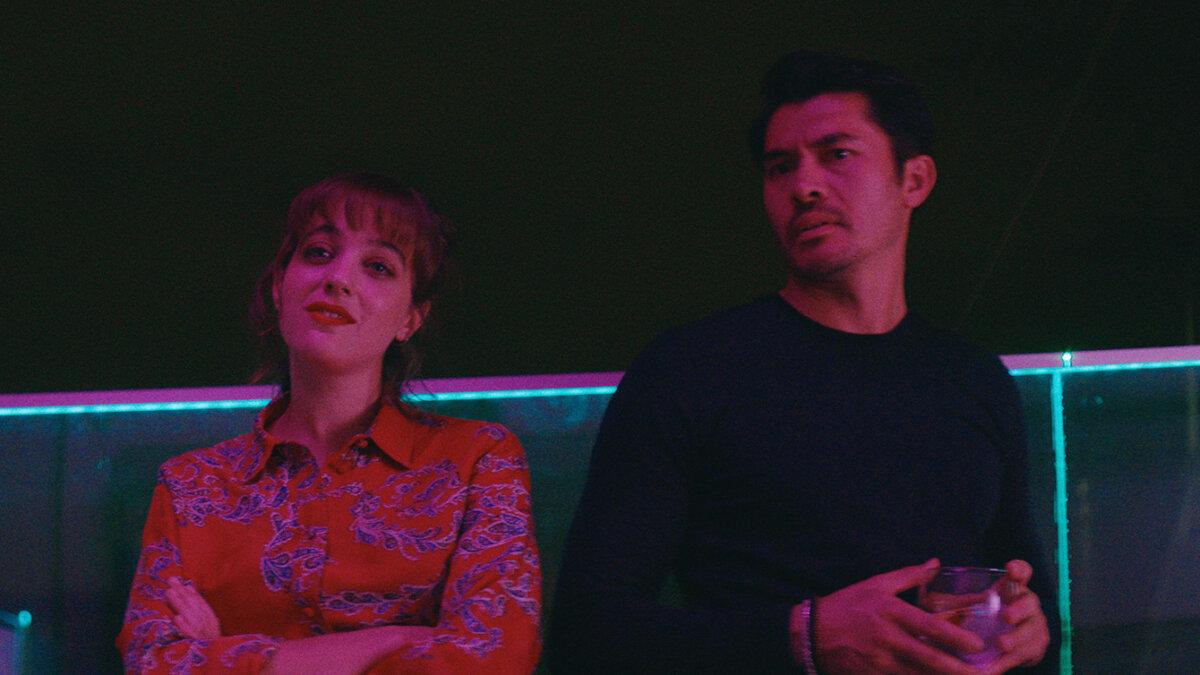
Director Nacho Vigalondo’s labyrinthine screenplay initially feels disjointed, confused, and not thoroughly thought out. But this is by design, not because of incompetence. After watching the movie twice, I’m convinced that Vigalondo purposefully wrote the script with the express purpose of not allowing audiences the ability to figure it out completely until the final two minutes. I tip my cap to him.Just how long Nicolas and Daniela dated is never revealed and it doesn’t matter. He loved her intensely, and he is a complete wreck since her passing. His good friend Victoria (Nathalie Poza) gently approaches him with an experimental Belgian medical treatment that allowed her to successfully get over a recent divorce.
Lucid Dreams
Lucid dreams are real. These are dreams wherein dreamers are aware they are dreaming during the dream itself. This allows Nicolas the ability to distinguish the difference between reality and the imagined, giving him the opportunity (in theory) to get over and move on past Daniela’s death.

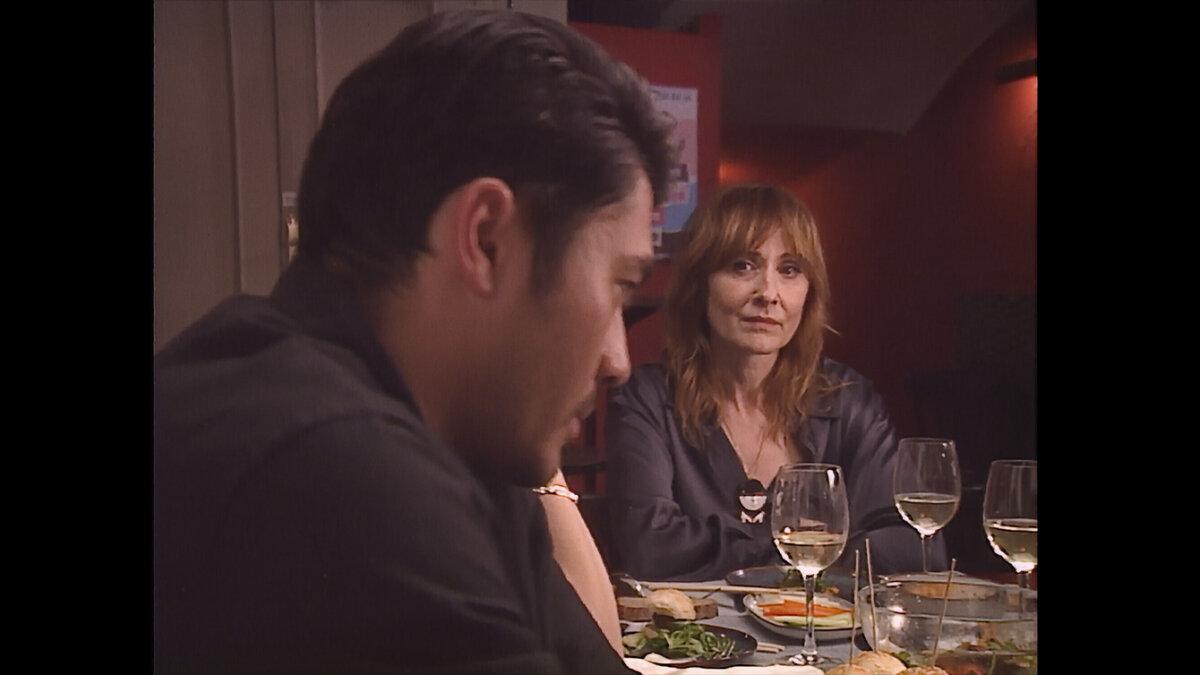
Vigalondo offers a clever visual cue that distinguishes reality from dreams. If a scene is real, the image is “full screen” (square) and visually flat. If it’s a dream, the presentation is in “widescreen” (rectangular) and is visually vibrant.
Initially, because of an accident and later by choice, Nicolas ignores the prompts, which results in his being unfocused and unable to choose free will. This might initially seem to be preferable. However, because this is a medical experiment, any deviation from the prescribed program isn’t advisable. Because of the multiple waivers, it’s also probably illegal.

The result is Nicolas being back in time, and not just reliving past events but also manipulating time and trying to change history. Not the History of Everything, but the history of Nicolas and Daniela. He wants to do things over that will change the future, mostly to make him look better.
As per the “it does something original” statement above, I should clarify. The movie suggests bits and pieces of “Ghost,” “Eternal Sunshine of the Spotless Mind,” and especially “Inception,” yet it does so without even a whiff of copycatting. Fans of the sci-fi anthology TV series “Black Mirror” will also notice similarities to the “Be Right Back” episode.
Good Guy, Bad Guy
“Daniela Forever” finds Golding playing a conflicted, multifaceted character. At first, he’s empathetic. He then drifts into opportunism, which bleeds into emotional usury. At the exact point we want Golding’s Nicolas to crash and burn, he and Vigalondo smack us upside the head with something that changes the entire meaning of the movie’s ultimate message.There are many movies that “pull the rug” out from underneath the viewer with the final reveal. Think virtually everything ever made by M. Night Shyamalan. Sometimes this works, but most of the time it doesn’t. It more often than not plays out like a cheap narrative trick or a weak red zone head fake.
Vigalondo never once tries to deceive or misdirect the audience. His movie challenges not only what we think, but also how we arrive at particular conclusions regarding both positive and negative events in our lives.
It’s pure human nature. We tend to recall positive parts of our own past events better than they were, and discount, downplay, or disregard the negative aspects.
Vigalondo’s brilliantly conceived examination of the human emotional thought process is something that should not be missed.