She grew up in the big city and received a university education, but this past summer, Lindsey Anson, 33, spent her sixth season roping and wrangling as a cowgirl on a remote ranch in Wyoming.
In the rolling hills of Wyoming, the cowboy days never died. And on Pitchfork Ranch, just west up the valley from Meeteetse, cowboys have been driving livestock, branding, and raising cattle since 1878. It’s a tradition Anson and her husband, Ben, now proudly carry on.
Both got jobs at Pitchfork Ranch after earning their degrees and working as cowboys on different ranches. “Four years in, he got promoted to manager here,” Anson told The Epoch Times. They got married on Pitchfork Ranch and have been running its operations together for the past few years, carrying on its long cowboy tradition.
While her husband grew up handling cattle in rural Wyoming, Anson was raised in Bellingham, Washington.
“I grew up in the city,” she said. “In eighth grade, my parents said I could buy my first horse and it all went downhill from there.”
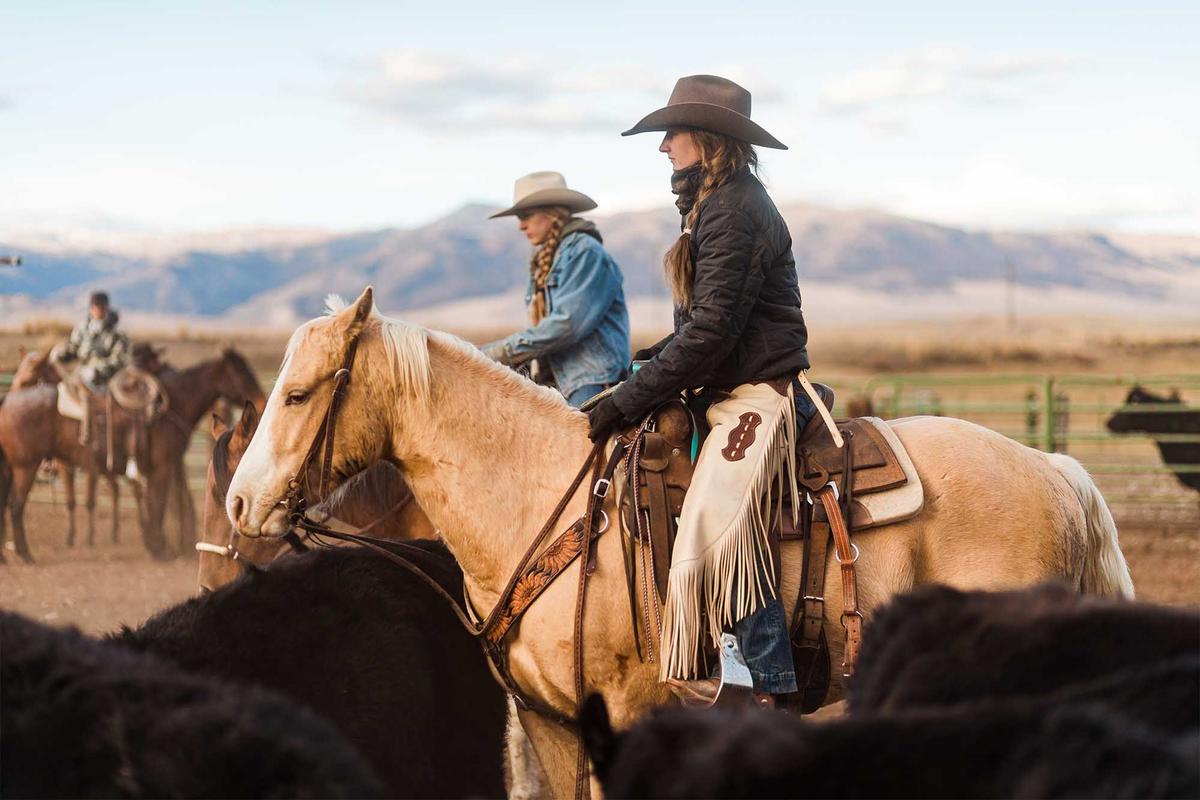
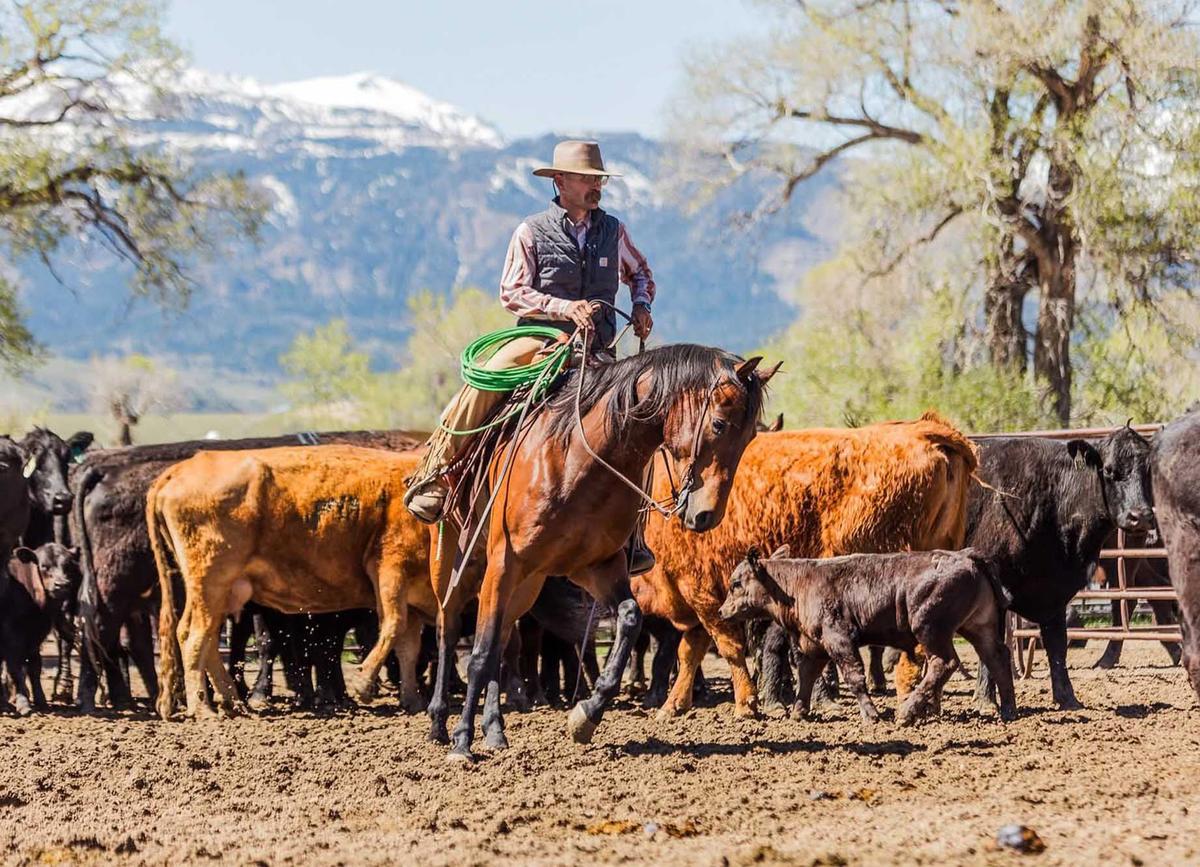
But she learned fast. “Old cowboys, they don’t really love it if you ask them too many questions in a day,” she said. “So you got to pick and choose what you want to learn that day.”
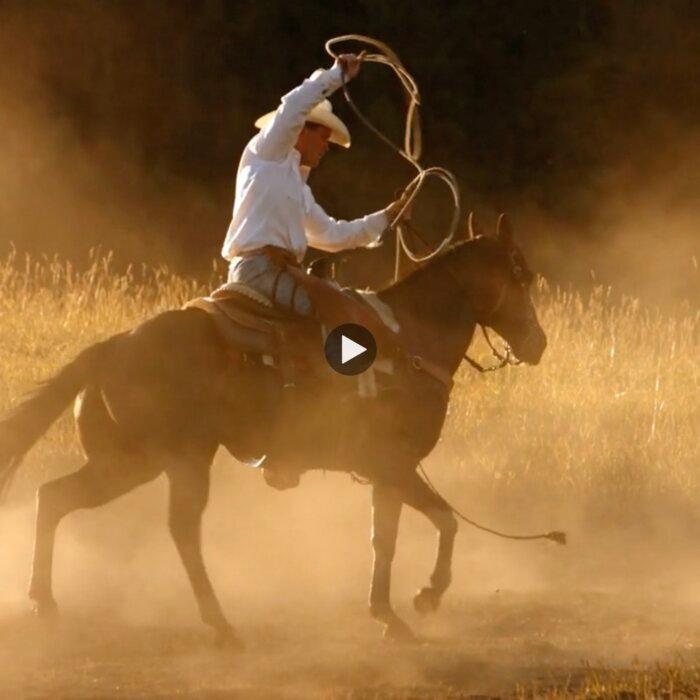
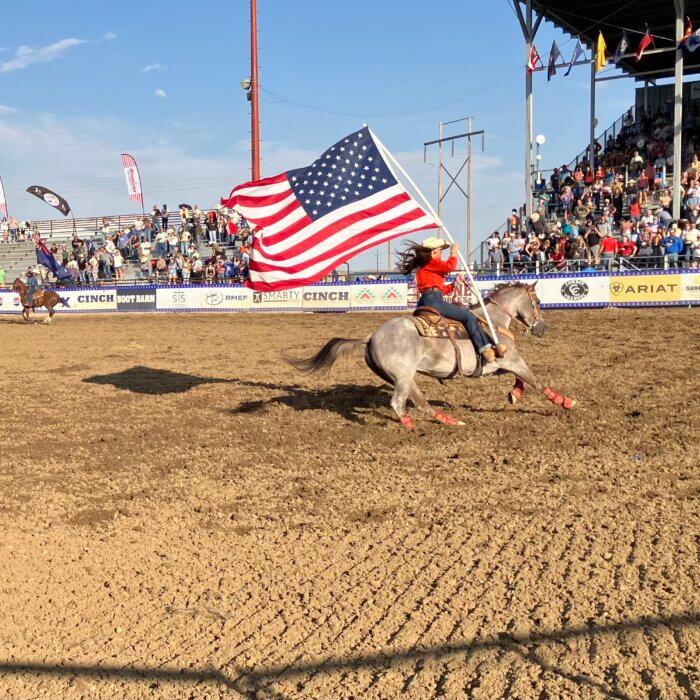
Before joining Pitchfork, Anson had cut her teeth as a cowgirl during internships on other ranches in Wyoming. She learned what to do and what not to do.
“Reading cattle is super important,” she said, speaking of a skill involving understanding bovine body language. “When you’re moving 500 to 600 cow-calf pairs, there’s a lot of people that like to sit in the back and jam on these cow-calf pairs instead of stringing them out and letting them travel.”
But when cowboys watch each other’s signals, she said, the herd flows in the right direction with little effort.
And despite the challenges—waking at 3 a.m. on the trail to cooler mountain pastures in the summer or the biting wind and snow blasting in her face in winter—Anson learned to love the beautiful mornings on cattle drives and the quietude of being in the saddle, riding in the ancient hills.
This cowboy tradition that Anson and her husband have embraced traces to the foundations of Pitchfork Ranch when Otto Franc von Lichtenstein first settled the land. Von Lichtenstein, who first emigrated from Germany to New York and made a living importing bananas, eventually moved out West. He saw a lucrative opportunity in raising cattle in the pristine pastures of Wyoming. His only fear was Native Americans, though that didn’t stop him.
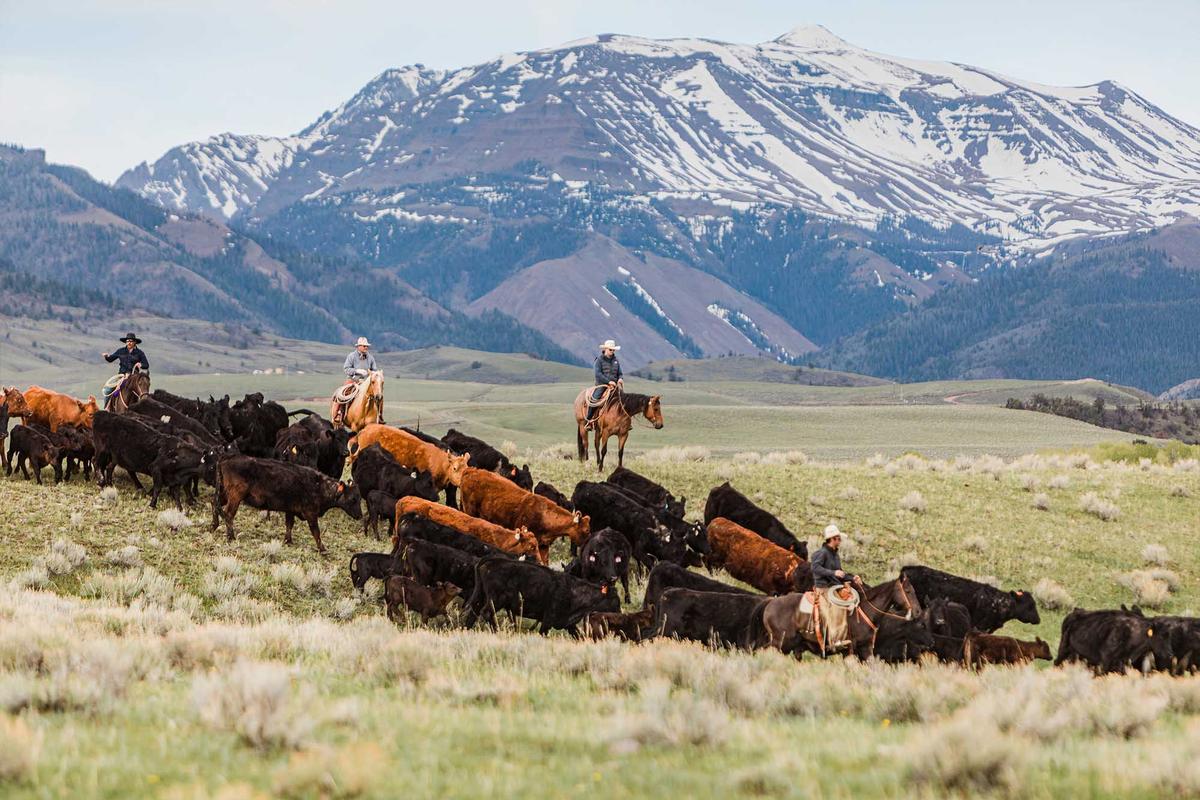
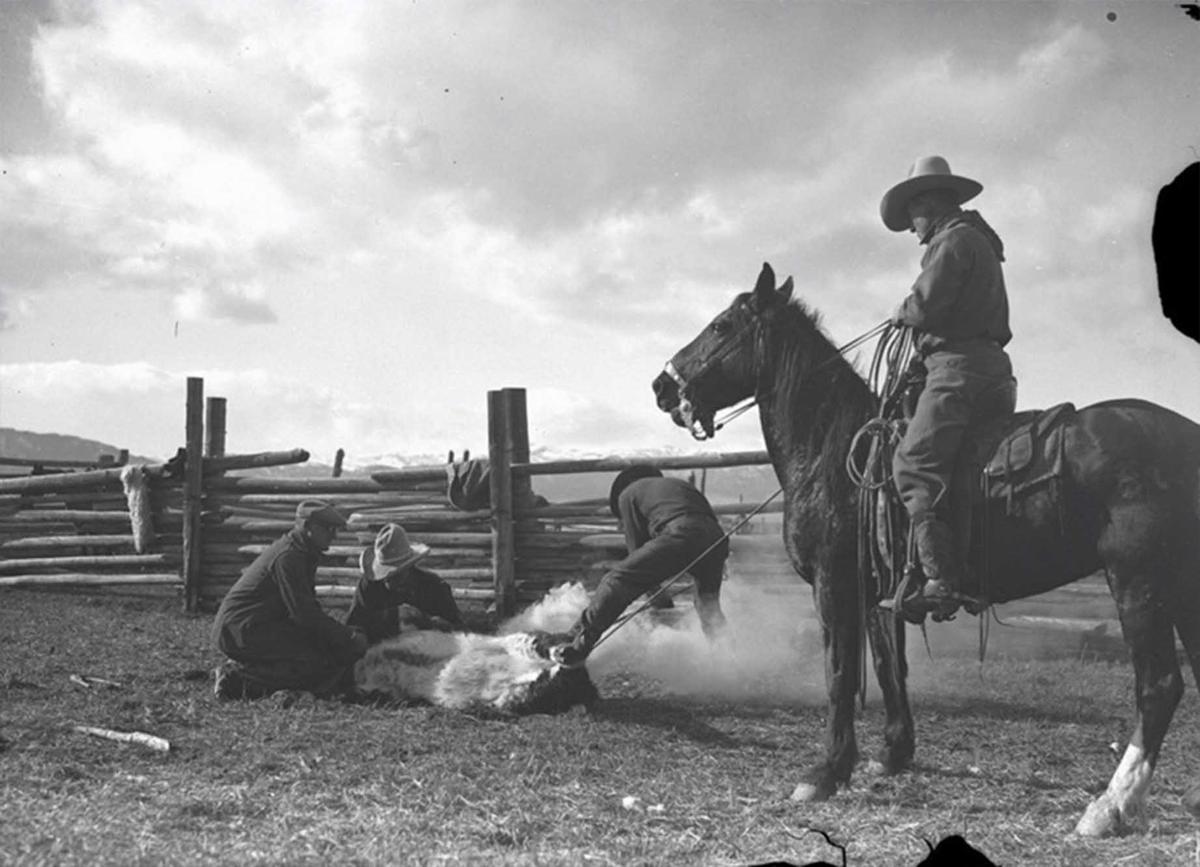
Von Lichtenstein made a go of it, becoming a successful cowboy. He hired more cowboys to herd his cattle—several thousand head strong—though he was noted for firing those who were lazy or drunkards. He started his own post office and became a local justice of the peace, but later died tragically from a self-inflicted wound while climbing a barbed wire fence with a shotgun.
And so began a legacy that was handed down to two other families over the past two centuries. Von Lichtenstein’s estate came into the hands of the Phelps and Belden families simultaneously for 95 years, who carried on the cowboy tradition for six generations. They sold in 2003 due, in part, to “poor management” and lack of profitability, Anson said.
The new owner isn’t a cowboy at all, or even from the West, but is a heart surgeon from North Carolina named Lenox Baker. Enchanted by the idea of owning a piece of the Old West, he took the reins. Although he never cowboyed up, Baker kept the ranch hands who had worked for the Phelpses and Beldens, and the Pitchfork tradition continued.
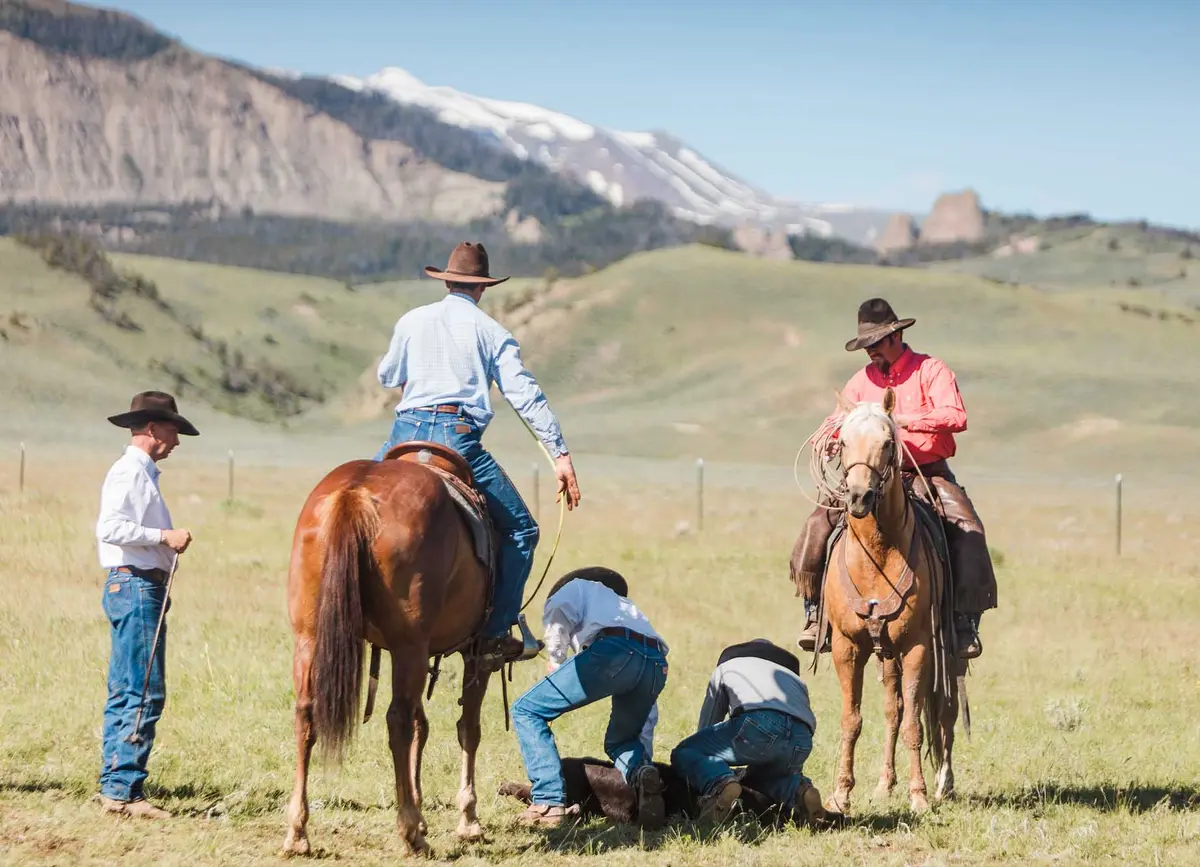
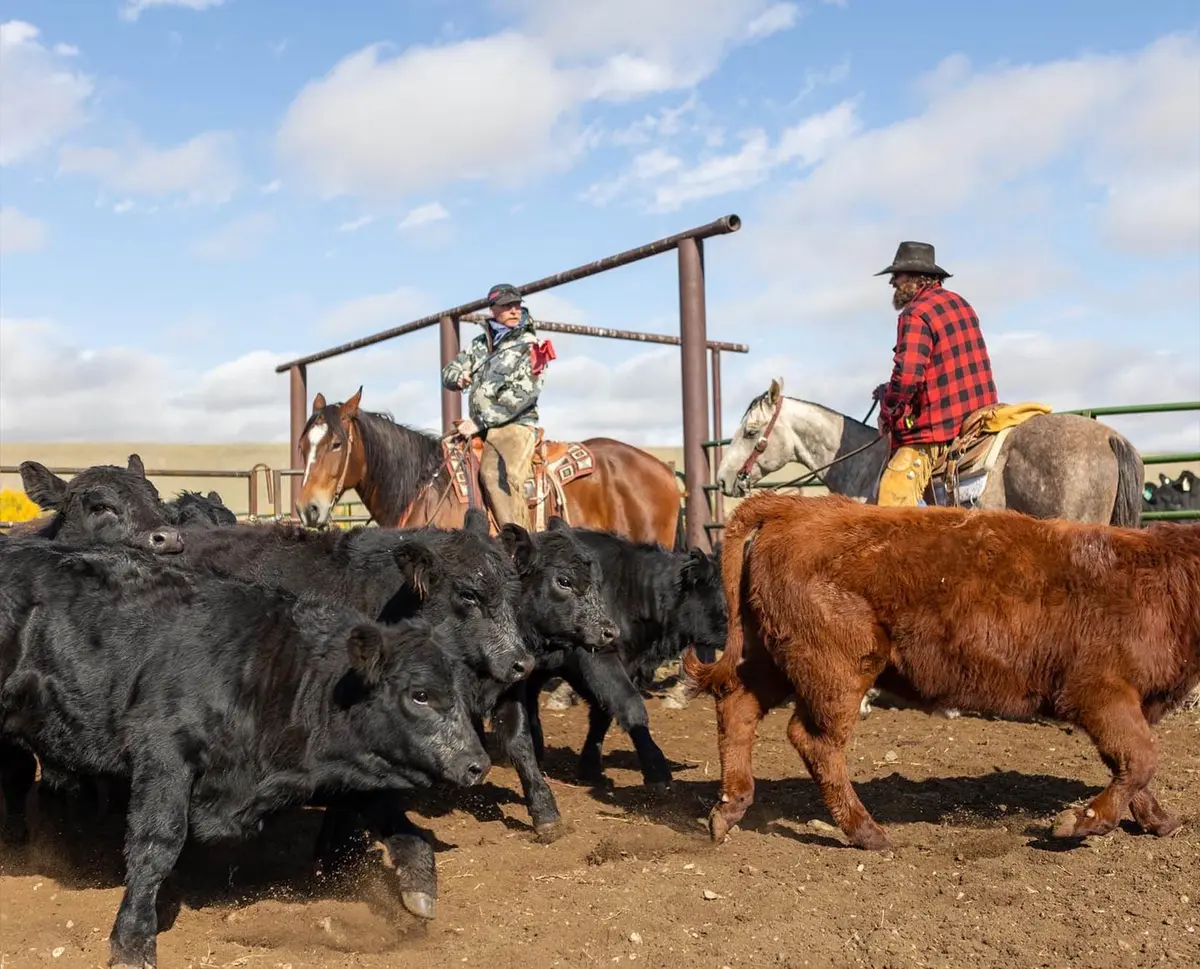
Today, with Anson and her husband in charge, the ranch has turned a profit again, though the challenges of raising cattle today are manifold.
“It’s tough,” she said. “Especially where we are, the cattle don’t pay for the cost of land.”
That’s one reason other ranches in Wyoming have capitalized on recreation, opening their gates to weddings that can pay $20,000 for a timeless mountain vista or “city slicker”-style cowboy jaunts for tourists.
“We haven’t done any of that on this ranch,” Anson said.
Despite their success as real cowboys, the couple aren’t all that certain about the future of Pitchfork Ranch or its tradition. Baker, whose passion led him to buy a piece of the West, has grown older. He’s now 83. It isn’t so easy to get around the ranch anymore.
“He’s selling the farm,” Anson said. “He wanted to spend more time with his kids who are having grandkids, and they live in Park City, Utah.”
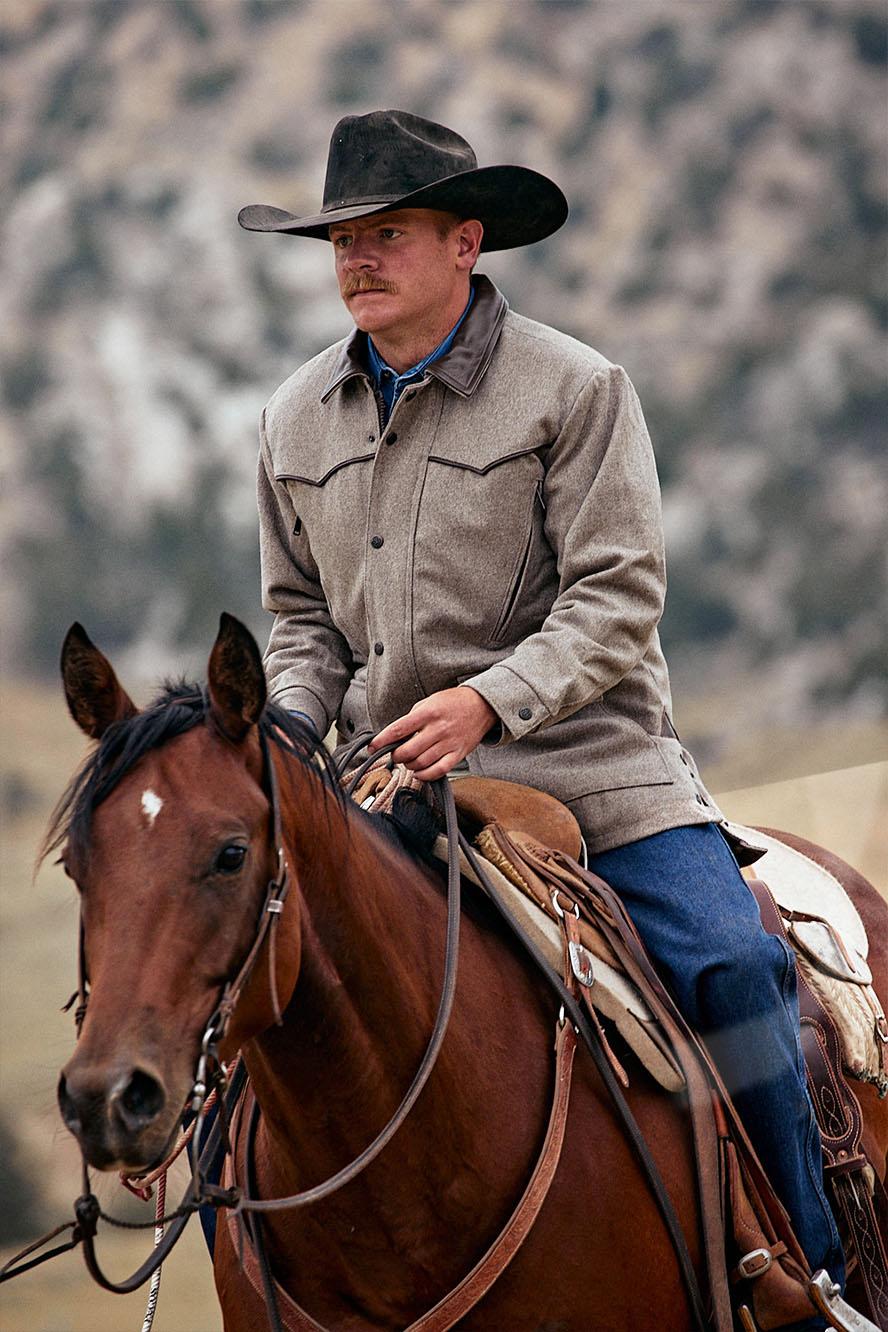
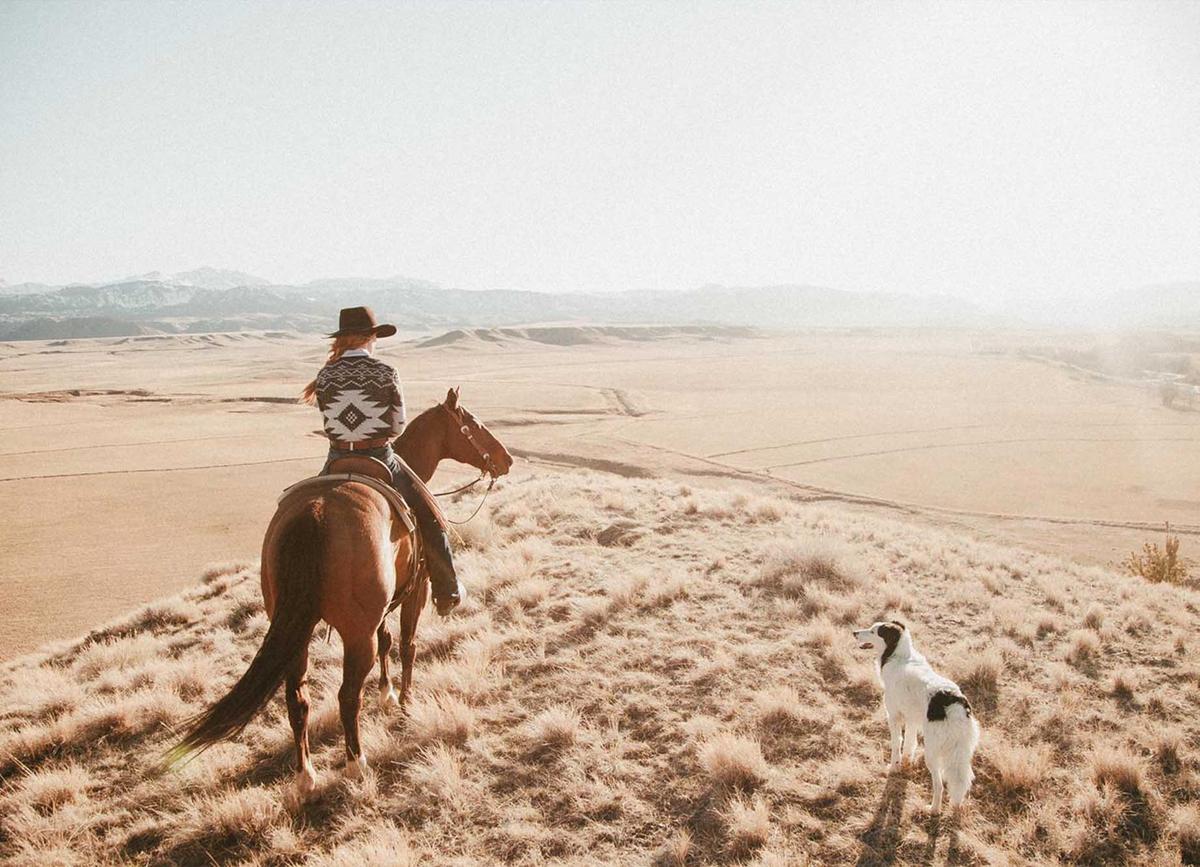
The silver lining, though, is that Baker is committed to finding the right buyer. It takes a special person to buy 100,000 acres, Anson said. He wants to do right by his employees so they can stay working on the ranch.
“The ideal buyer would be someone who wants to continue the legacy of the ranch and wants to operate it as a working ranch,” she said. Fortunately, conservation easements mean the ranch cannot be split up and is protected.
“He doesn’t want to sell to someone who’s going to break it,” Anson added. “It’s really important to us that we keep up on the tradition that people have been doing for hundreds of years.”