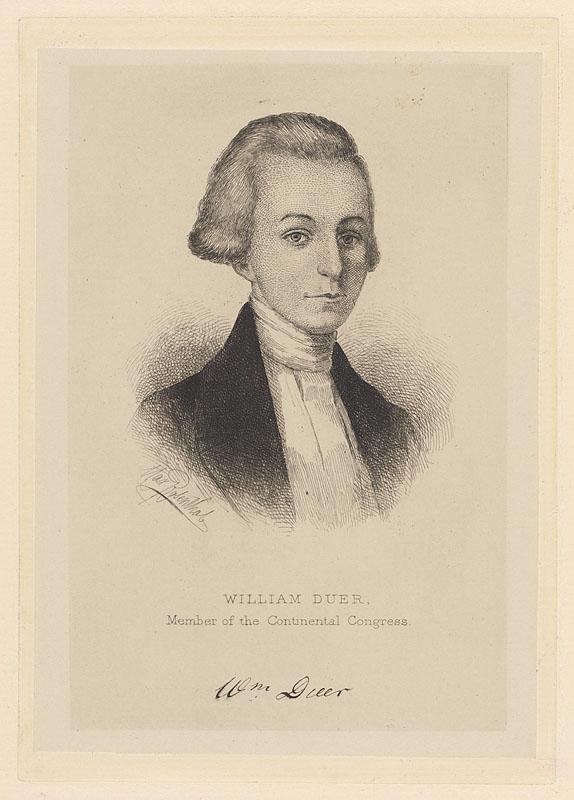
Duer’s panic is unmistakable in his letter. His financial plans had unraveled, but those failed plans looked to not only ruin him, but possibly the young country’s entire financial standing. Such was his situation that he felt emboldened to contact his former boss and his cousin by marriage. Duer had been secretary of the Treasury Board when the United States was under the Articles of Confederation. Hamilton had appointed him assistant secretary of the Treasury in 1789, after the adoption of the Constitution.
Reaching a Compromise
In 1789, George Washington, America’s first president under the new constitution, chose Hamilton as secretary of the Treasury for his brilliance in financial and economic affairs. In January of 1790, Hamilton presented to Congress his “Report on Public Credit.” The crux of his report aimed at restoring the young nation’s financial credibility, an effort which included the federal government assuming the states’ Revolutionary War debts.A fierce debate ensued over the recommendation, but a compromise was finally reached, which included Secretary of State Thomas Jefferson and Congressman James Madison agreeing to support the recommendation in exchange for the nation’s capital moving from New York City to the yet-to-be-constructed Washington (the capital would be moved to Philadelphia during the intervening years).
Ripe for Speculation
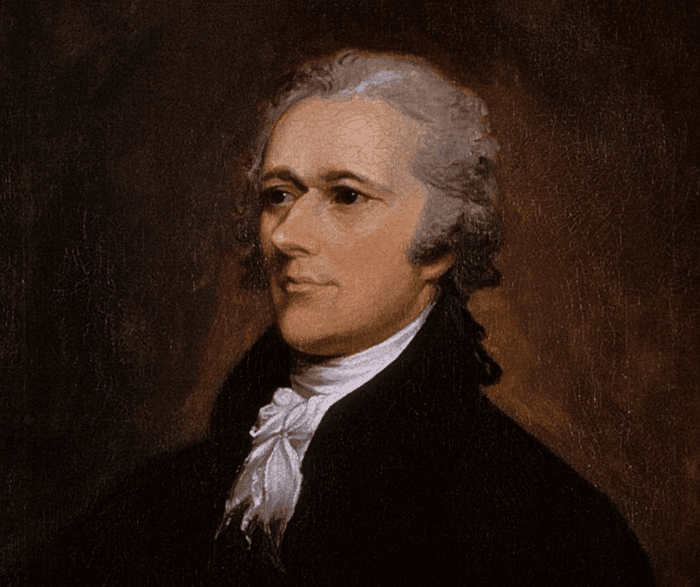
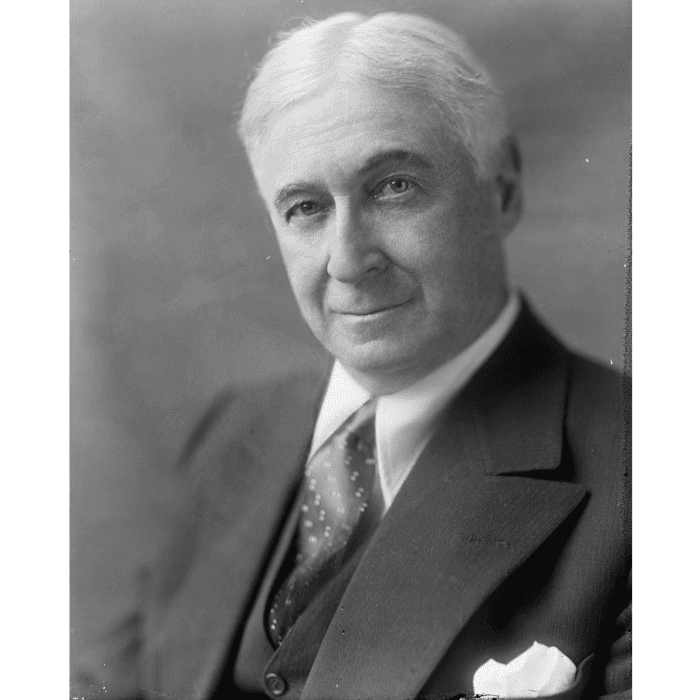
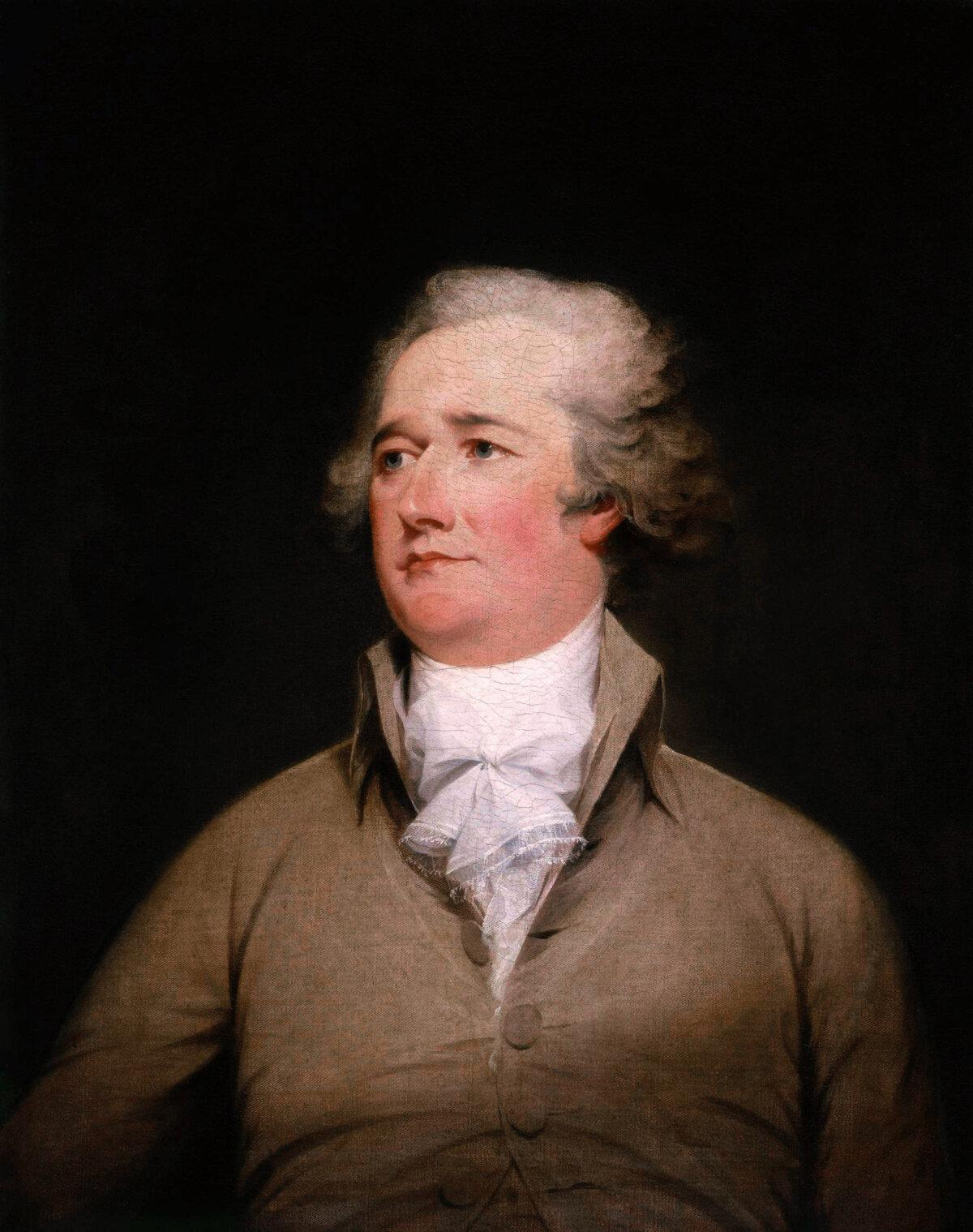
There was some controversy over this federal assumption. One problem was that the Continental Congress’s bonds, which had been issued during the war with a promise of a buyback, had been practically worthless. This caused many, especially the poor, to sell their bonds, typically to speculators, at significantly reduced rates. Most of the bonds were no longer in the hands of the original owners. When word leaked about the new federal bond scheme, speculators swung into action, purchasing as many of the bonds as they could. Among those speculators was Duer.
At the end of 1790, Hamilton presented to Congress his “Report on a National Bank,” which recommended Congress incorporate a Bank of the United States with a 20 percent ownership stake. The other 80 percent would be divided among private investors. After some debate, the legislation was passed and President Washington signed the bill in February 1791, creating the national bank. This creation encouraged more speculation.
Duer continued to borrow money from investors who were intrigued by his scheme. There was promise of great return on investment, and Duer believed he had a can’t-miss financial opportunity.
Time to Panic
Throughout January 1792, the scheme of the Duer-Macomb firm was working seamlessly. But in early February, stock prices began to dip. As the prices dropped, Duer took notice and soon began to sell off stocks and work to repay loans and investors. Over the course of the next five weeks, stock prices dropped precipitously. Duer and Macomb realized their predicament.Hamilton had been keeping a sharp eye on the financial situation, and on March 2, he noted that “a line of separation” was being drawn “between honest Men & knaves, between respectable Stockholders and dealers in the funds, and mere unprincipled Gamblers.” His former subordinate was one of those unprincipled gamblers. A week later, on March 9, Duer could no longer make his payments. His personal ruin was in sight, but much more than that was at stake.
Word has spread that Duer had stopped his payments. Such an action was a clear signal of a major problem, and a panic began among other investors and speculators. America’s first financial crisis—the Panic of 1792—had begun.
Duer’s stoppage of payment also signaled a response from the Treasury Department. On March 12, the day Duer wrote his letter pleading for Hamilton’s assistance, Oliver Wolcott Jr., comptroller of the Treasury, announced that the department was bringing a lawsuit against Duer for his outstanding balance of approximately $200,000 with the new Bank of the United States.
Responses to the Crisis
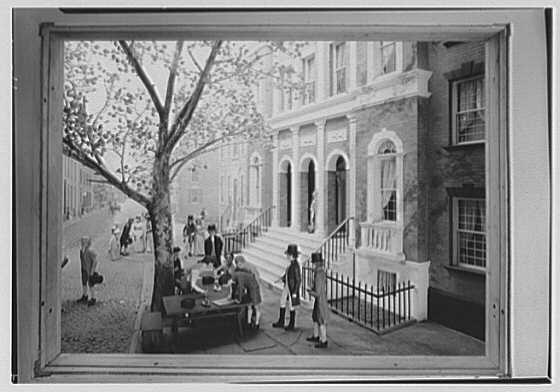
Secretary Hamilton approached the crisis with calm and clarity. He ordered his department to purchase a large portion of federal securities in order to help balance the market, and he also communicated to banks to resist calling in loans. The storm would be weathered.
Prominent economic historians, Richard Sylla, David Cowen, and Robert Wright, indicated in their study of the Panic that “had it not been dealt with as effectively as it was, the panic of 1792 might have destroyed America’s financial revolution and with it the country’s relative prosperity and political peace.”
The Panic of 1792 created another response. Witnessing the cavalier conduct of many speculators and investors, 24 of New York’s leading stock brokers, who had long collaborated with each other, decided to create their own financial group. They knew each other from the Tontine Coffee-House, located on Wall Street. The coffee house was where investors, speculators and brokers gathered to buy, sell, trade, and keep up with stock market prices on various commodities. When the coffee house became too packed, the leading financiers would meet under a nearby buttonwood tree.
It was during this week in history, on May 17, 1792, that the 24 brokers met under the tree to sign an agreement. The agreement stated, “We the Subscribers, Brokers for the Purchase and Sale of the Public Stock, do hereby solemnly promise and pledge ourselves to each other, that we will not buy or sell from this day for any person whatsoever, any kind of Public Stock, at less rate than one quarter percent Commission on the Specie value and that we will give preference to each other in our Negotiations.”
It is known as the Buttonwood Agreement and it established the foundation of what would become the world’s largest and most important stock exchange: The New York Stock Exchange.
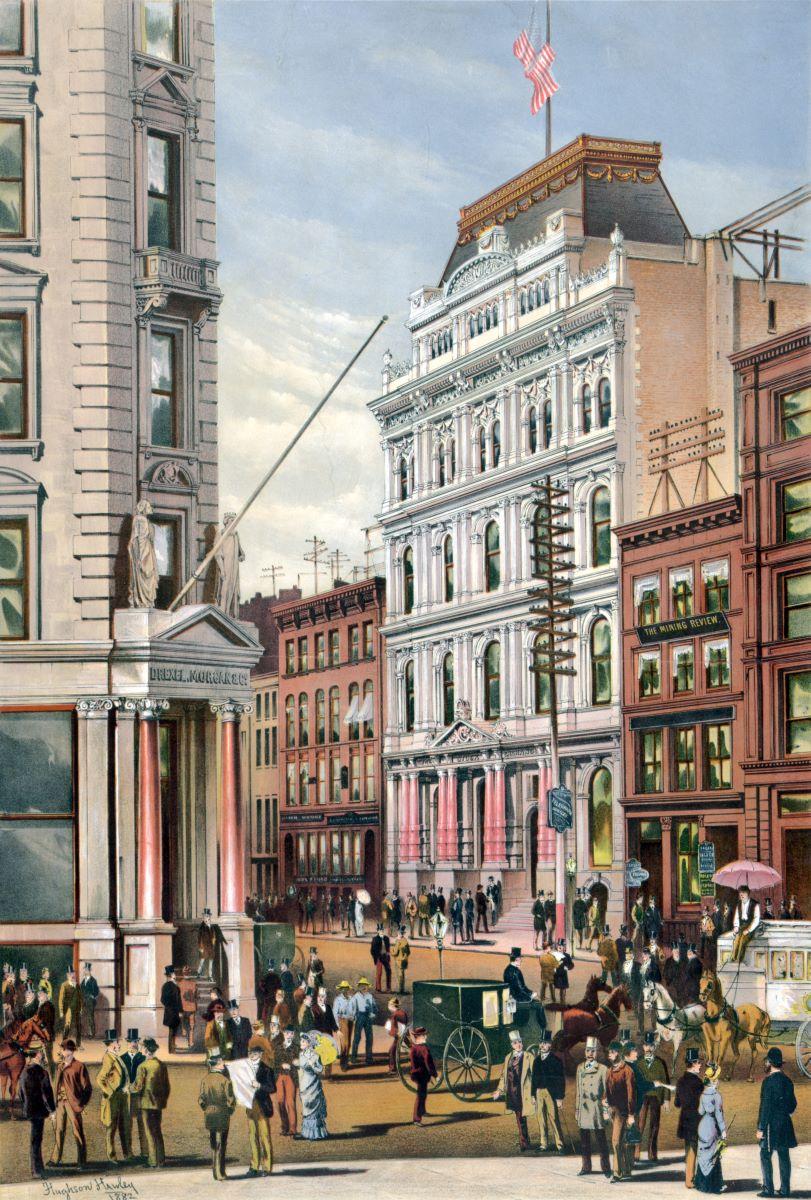
Duer, the man who arguably bore much of the blame for the Panic of 1792, was not one of those 24 brokers. His days of speculation were over. He was not released from prison until May 7, 1799, when it was time for his funeral.