NR | 1h 45m | Documentary, Biography, History, Sports | 2025
As a kid, I was enamored with baseball. From the late 1960s through the 1970s, I followed it religiously. I memorized the stats of even the most marginal player and would watch any game that any of the three networks was broadcasting at the time.
At first, I was a Washington Senators fan. When they left for Texas in 1971, I reluctantly glommed onto the Baltimore Orioles; the stadium was right up the road from my home on Route 95.
My timing was great. The Orioles were the best team in the world at the time. The team appeared in five World Series Championships between 1966 and 1979.
In October 1971, the heavily favored Orioles played the Pittsburgh Pirates in the World Series and lost four games to three. I was crestfallen. I also took an immediate dislike to Pirates right fielder Roberto Clemente. Clemente batted .414 and was named the series MVP.
A Change of Opinion
It was at this time that my opinion of Clemente changed in a big way. As a teen, I recognized that whatever animus I’d amassed for Clemente was superficial, fleeting, and petty. A great man had died while trying to save others, and I was forever humbled. At this point, I recognized that professional team sports were relatively insignificant in the great scheme of things.
With the new documentary “Clemente,” director David Altrogge delivers one of the most complete, engaging, emotionally throttling, artistically unique, and sometimes heartbreaking biographical films of a famous athlete ever made.
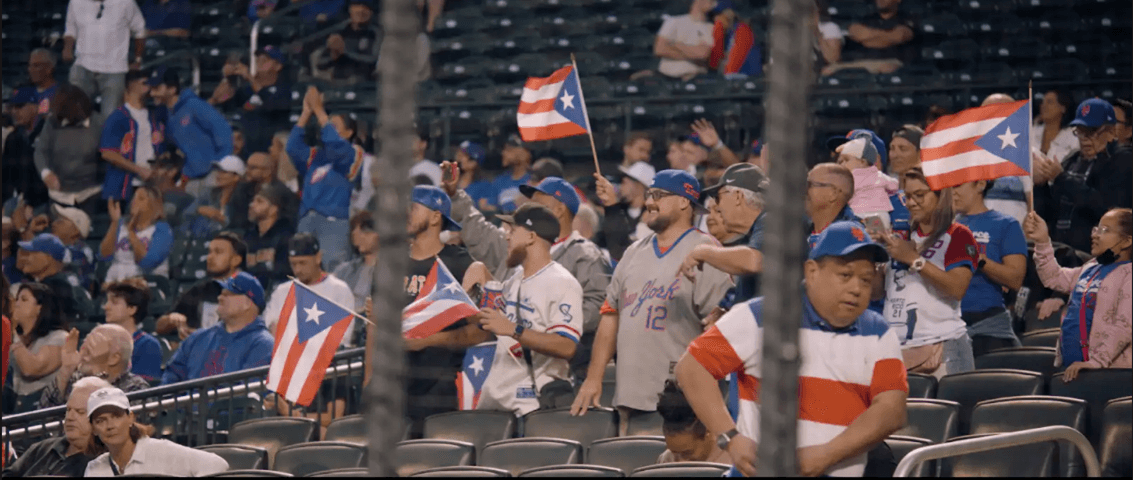
Clemente was the first Caribbean player to be inducted into the Baseball Hall of Fame. The youngest of seven, he was born in 1934 in Carolina, Puerto Rico. At age 18, he secured a two-year contract with a Puerto Rican winter league team, which led to a Major League Baseball contract with the Brooklyn Dodgers.
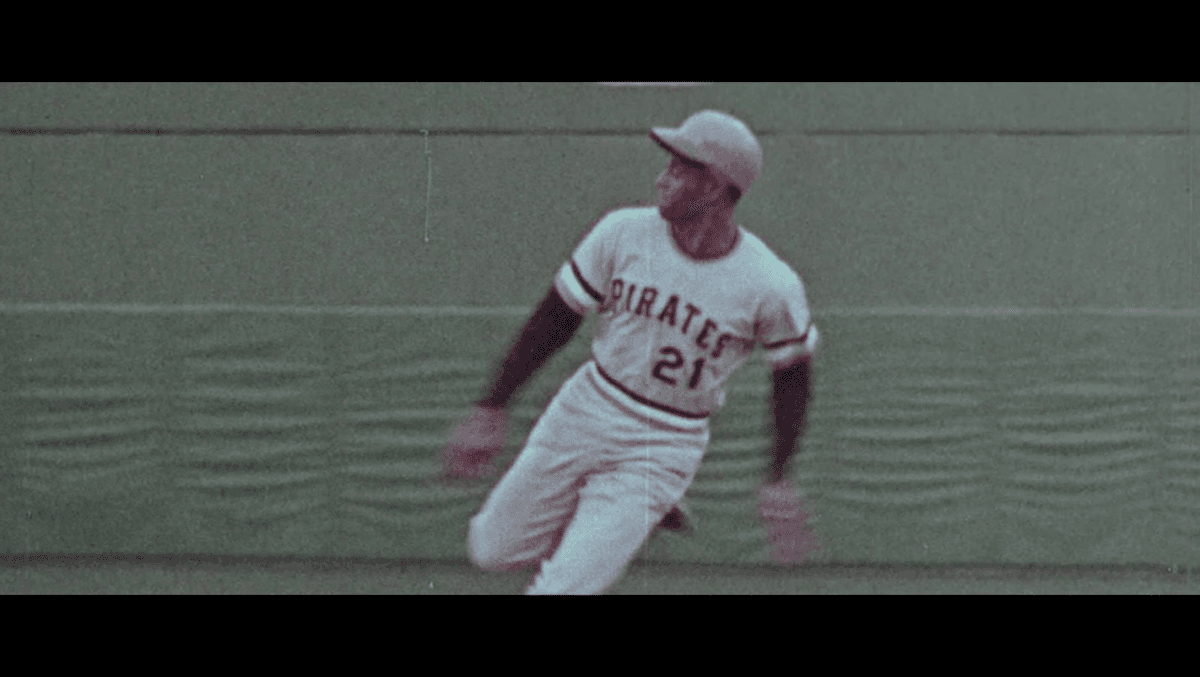
Due to a truly bizarre MLB legal requirement at the time, Clemente became what is now referred to as a free agent. He was quickly signed by the Pirates, the team he would remain with for the remainder of his 18-year career.
The Lingering Issue of Race
Jackie Robinson retired after the 1956 season. It was 11 years since he broke the race barrier with the Dodgers. By this time, there were several black players in the MLB but none from the Caribbean. Clemente had to deal with still-lingering racism from white players; he was also shunned by blacks, something compounded by a language barrier.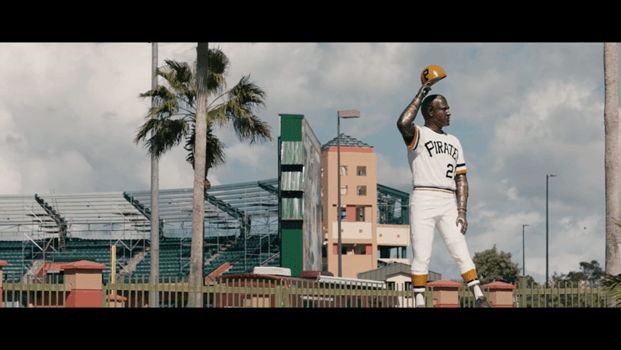
Clemente understood English but didn’t speak it well. This was picked up on by the mostly white press, which didn’t bother to learn Spanish. In adding insult to injury, the press, baseball card companies, and even some members of the Pirates organization openly referred to Clemente as “Bob,” something he took as a personal affront.
The Interviews
Sprinkled throughout the movie are interviews, including with Clemente’s surviving children, assorted broadcasters, sports writers, and former teammates. Interviews with entertainers such as fellow Puerto Rican native Rita Moreno, lifelong Pirates fan Michael Keaton, and filmmaker Richard Linklater also discuss the star player.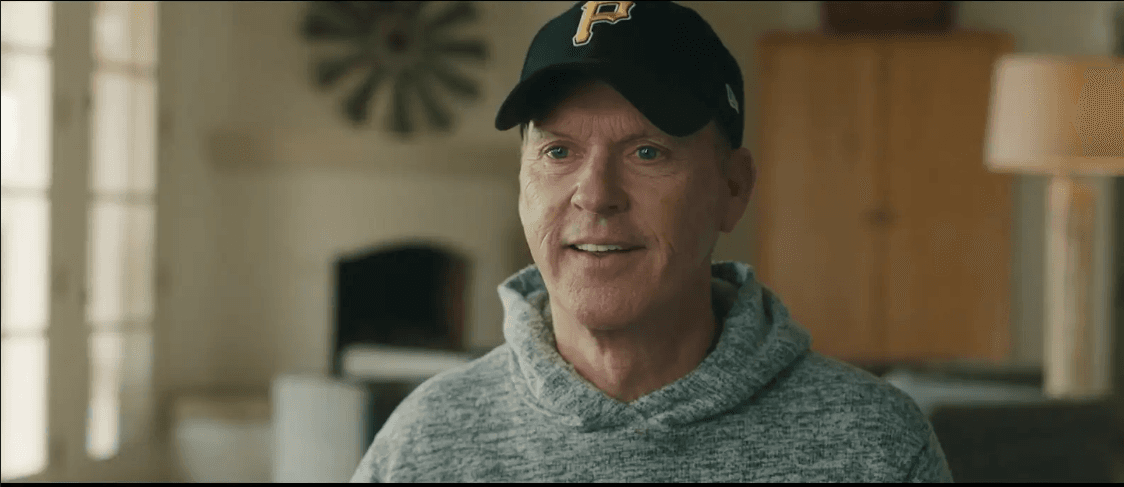
The true test of a man isn’t what he does while in everyone’s sight, but rather his behavior and deeds performed when no one is watching and without any expectation of thanks or recognition.
Cut down in the prime of his life while trying to save the lives of others less fortunate than he, Clemente was a human being of the highest moral and ethical fiber. He is the kind of person we all should strive to become.