NR | 1h 18m | Documentary, Film History | 2026
As the dispensing of non-live entertainment in the 20th century is concerned, there have been four distinct periods.
From 1900 through 1920, movies could only be seen in theaters. In the 1920s, radio was added into the mix and introduced a live element. Starting in the 1950s, TV entered the scene. In 10 years it took over both live and recorded entertainment for the next quarter-century.
With the arrival of “Jaws” in 1975 and subsequent blockbusters, movies in theaters returned to the top of the viewing heap for the remainder of the millennium.
In “The Last Picture Shows” [“Shows”], writer-director Rustin Thompson hits all of the bullet points of movie-viewing history while simultaneously celebrating and lamenting the evolution and downfall of independent theaters, particularly in the western rural United States.

Streamlined
Everything about the 78-minute movie is economic and to-the-point. It opens with the text: “123 theaters, 10 states, 10,000 miles” describing what will unfold without giving anything away whatsoever.

Thompson interviews the owners of 14 still-operating theaters that range in age from 5 to over 100 years. Everyone’s backstory is different to be sure, but there are a great deal of similarities.
What’s front and center and abundantly clear: Nobody’s getting rich running privately owned theaters; in some cases, owners lose money every year.
That’s the Rub
These folks simply love movies, the theater experience, and their neighbors. This, of course, isn’t unique to these communities. The citizens and small business owners across the land are rooted in tradition, sacrifice, and the well being of those around them.
However, in most cases with these particular small towns, the theater represents the social and cultural hub. Often the only business of its kind within a 50-mile radius, these cherished, treasured operations are sought-after escapist niches. The fact that there are no multiplex options doesn’t hurt.
Shazam
Based on most marquees of the featured theaters, the movie was filmed in late winter 2023, just when COVID-19 related restrictions started to loosen. The title seen is “Shazam! Fury of the Gods,” which absolutely tanked at box offices the world over.Boiled down, distributors dictate which titles theaters can and will show, for how long, and for what charge. The distributor’s mindset (I think) is, if these theaters are presented with just one option, they'll have no choice, and they are right.
Unless the theater booked “Shazam” exclusively for a minimum of two weeks, this same theater would be denied access to other titles down the road.
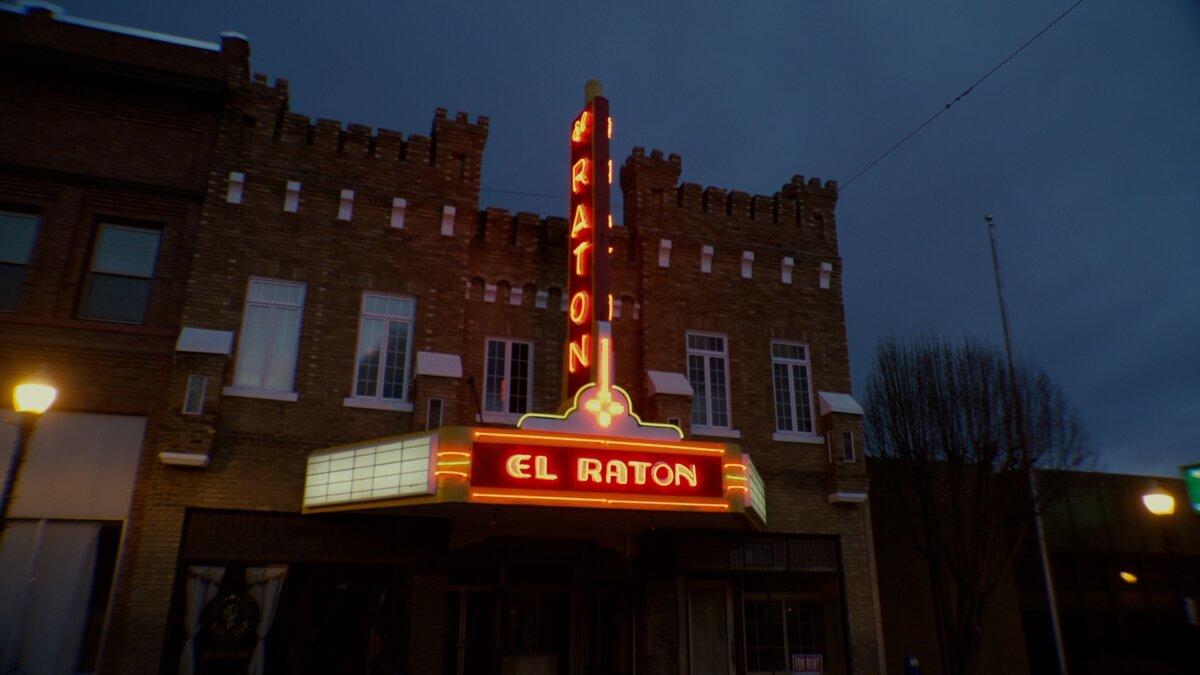
Along the way, Thompson drops some more text factoids that should strike fear in the hearts of not only residents of Libby, Montana; Raton, New Mexico; Cortez, Colorado; and Colville, Washington; but also New York City, Los Angeles, and Chicago.
Cold Hard Facts
In 1929, there were over 22,000 movie theaters in the United States. Now it’s 3,000. In the 1950s, 4,000 drive-in theaters were in operation. That number is now less than 300.After COVID-19, 5,000 theaters that were forced to close are still dark. It’s the death knell of a slice of American history and Americana culture that we'll never likely get back.
The one sliver of hope peeking through is the opinion of all involved that the 2000s superhero fad is on the outs. The current “Spider-Man” release notwithstanding, superhero fatigue has set in and likely won’t reignite.
Like so many past mighty ships at sea, the movie industry is slow to adjust and change course. But once the studios start to realize actual stories and characters are more important than special effects, whiplash editing, generic plots, and explosions, movies will get back to the basics. By the “basics,” I mean the same storytelling that’s been done since the dawn of time.
Admittedly, that’s a tall order. But as long as there are independent theater owners and people who grew up watching flickering projected images on silver screens in groups in the dark, hope springs eternal.