No other group set the tone for the future of country music while it was still in its infancy like the Carter Family. The trio didn’t simply witness the official creation of the genre in the 1920s, they helped birth it.
In the summer of 1927, musicians A.P. Carter, his wife, Sara, and her cousin Maybelle Carter traveled to the quaint town of Bristol, Tennessee, for the Bristol Sessions. There, pioneering producer Ralph Peer set up a makeshift studio and recorded country music royalty like Jimmie Rodgers. Though no one could have predicted it at the time, the project became so influential that Bristol is now known as the “Birthplace of Country Music.”
The Carter Family recordings are one of the reasons that the Bristol Sessions became such a commercial success. Technically, Sara fronted the group, singing lead and strumming her guitar, while A.P. contributed backup harmonies and occasionally stepped in for Sara to lead a song. But it was Maybelle’s musicianship that set the group apart, eventually making them one of country music’s most successful, enduring acts—and inaugural stars of the genre.
Transforming Music Across Genres
Maybelle was exposed to various musical stylings throughout her life. As a girl, she learned how to play guitar, banjo, and the auto harp, another stringed instrument ideal for rhythmic playing. she also sang gospel music and listened to the blues.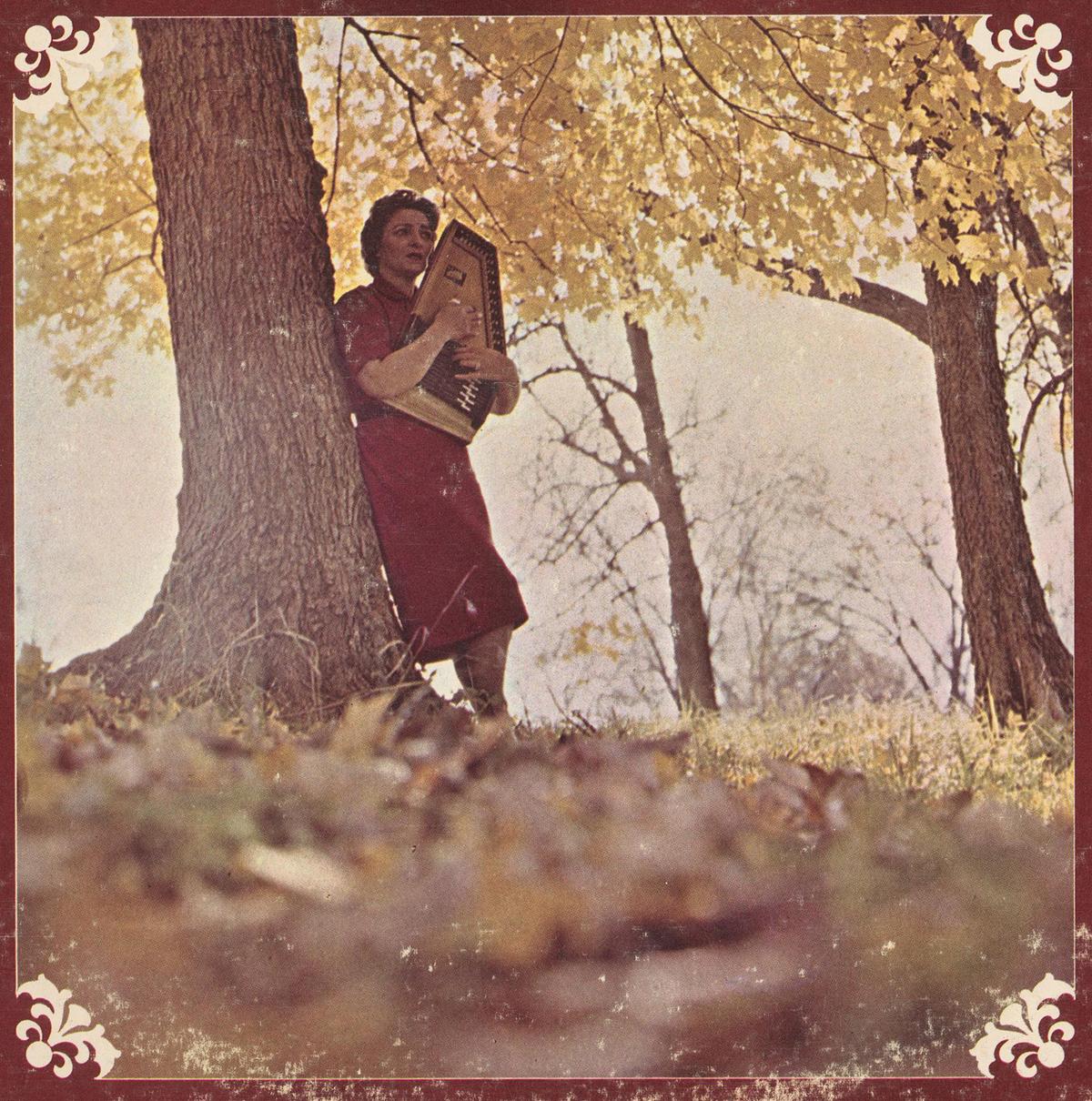
Later, her performances took her to the southern border, where she developed a taste for musical stylings from Mexico. Her various influences all culminated in a unique guitar rhythm that transformed music across genres.
The beauty of the “Carter scratch” is it allows for the player to play both melody and rhythm at the same time. Before Mother Maybelle’s use of the innovative technique, acoustic guitars were often supporting instruments, rather than stars of the show.

A Groundbreaking Technique
Maybelle used the bass strings—E, A, and D—for the melody, and the treble strings—G, B, and high E—for the rhythm. Using a thumb pick and a finger pick, as opposed to the popular single flat pick most musicians use, she struck the bass melody notes with her thumb and she used her index finger to sweep over the other three strings, creating a percussive down or up stroke called a “frail.” She made the frail stroke ring out by wearing the pick on her index finger backwards.Two songs from the Carter Family catalog best representing this full-bodied technique include their classic “Wildwood Flower,” one of their most popular singles, and “Keep On the Sunny Side,” a fun radio favorite.
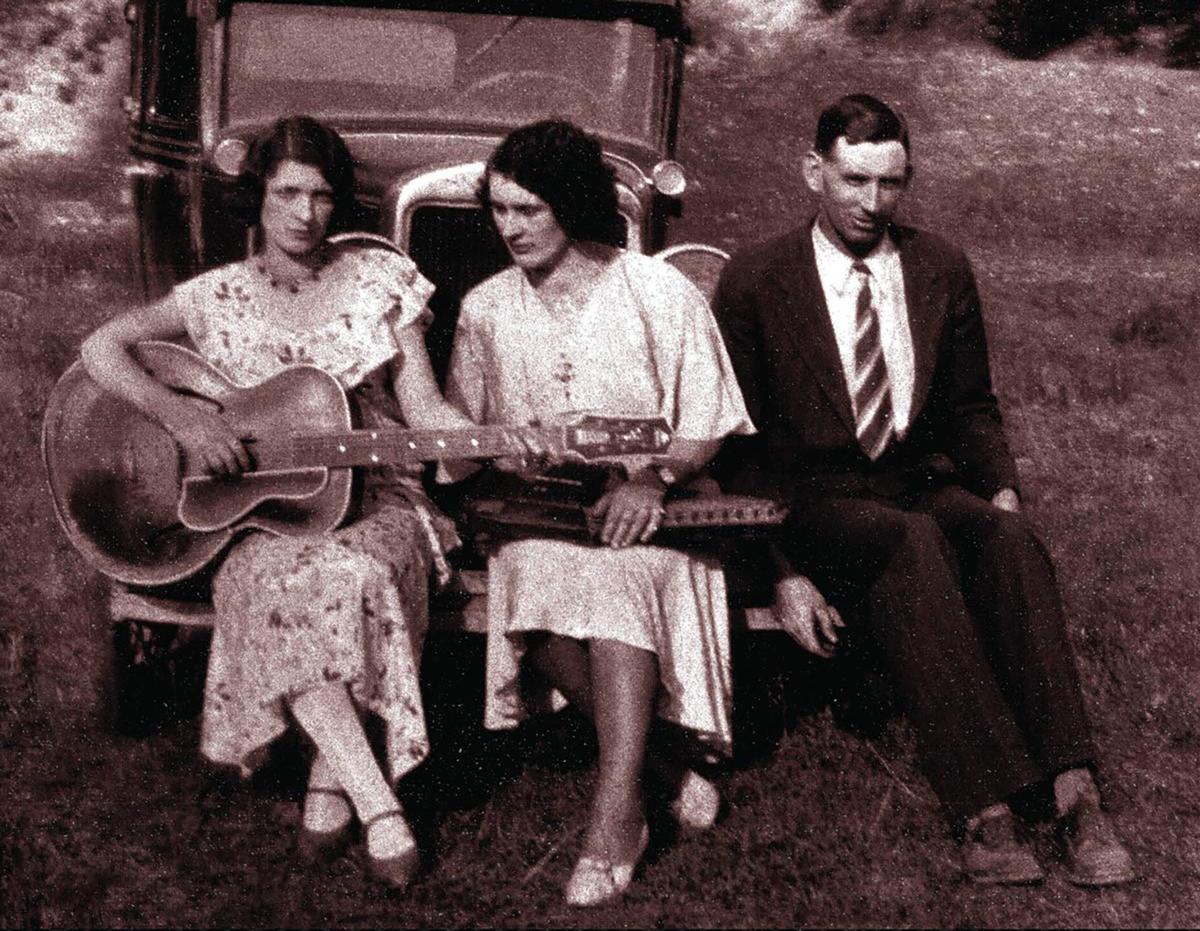
One reason for Maybelle’s visionary playing was circumstance. The Carter Family toured before the invention of modern live sound technology. While performing, her guitar wasn’t miked up, and she needed as much natural volume as she could get from her instrument.
Andrews shared the technique “enabled her to play everything very loudly for theaters and churches and all these places that weren’t capable of amplifying yet.”
When audiences fell in love with Mother Maybelle’s guitar style, fellow musicians took notice and began using the expressive technique in their own music, even coming up with their own iterations. Now, it can be heard in countless songs throughout the history of several genres, including bluegrass, country, and folk.
Casting a ‘Long Shadow’
Some of country music’s pioneering figures utilized the “Carter scratch” as well, from Roy Acuff to Chet Atkins. Maybelle’s inventive rhythm and melody playing set a “standard for future country guitarists,” shared music supply company Woodtone Strings.Described as a “modest” woman with no need for compliments, Maybelle’s guitar playing and vocals have always done the talking for her.
Thanks to her long shadow and the countless musicians picking, frailing, and perfecting the “Carter scratch,” her captivating guitar work still talks to us today.