Between 2001 and 2019, the New England Patriots dominated the National Football League (NFL) by playing in nine Super Bowls and winning six of them. Traditionally, the credit for this extraordinary streak of success was shared between Patriots quarterback Tom Brady and head coach Bill Belichick.
However, Gary Myers is using his new book, “Brady vs. Belichick: The Dynasty Debate,” to provoke a debate about which man was more deserving of being the inspiration for the team’s halcyon days.
“It can’t be a 50–50 split,” insists Myers. “One of them had to be more responsible for the magnificent run of sustained success. The politically correct crowd who split it down the middle are concerned more about not pissing off either icon than setting the record straight.”
But as Myers observes, both men were dependent on each other for the team’s peak years and on Patriots owner Robert Kraft for having faith in them. Indeed, Kraft seemed to make a leap of faith of seismic proportions when it came to this pair, although he ultimately profited handsomely from them.
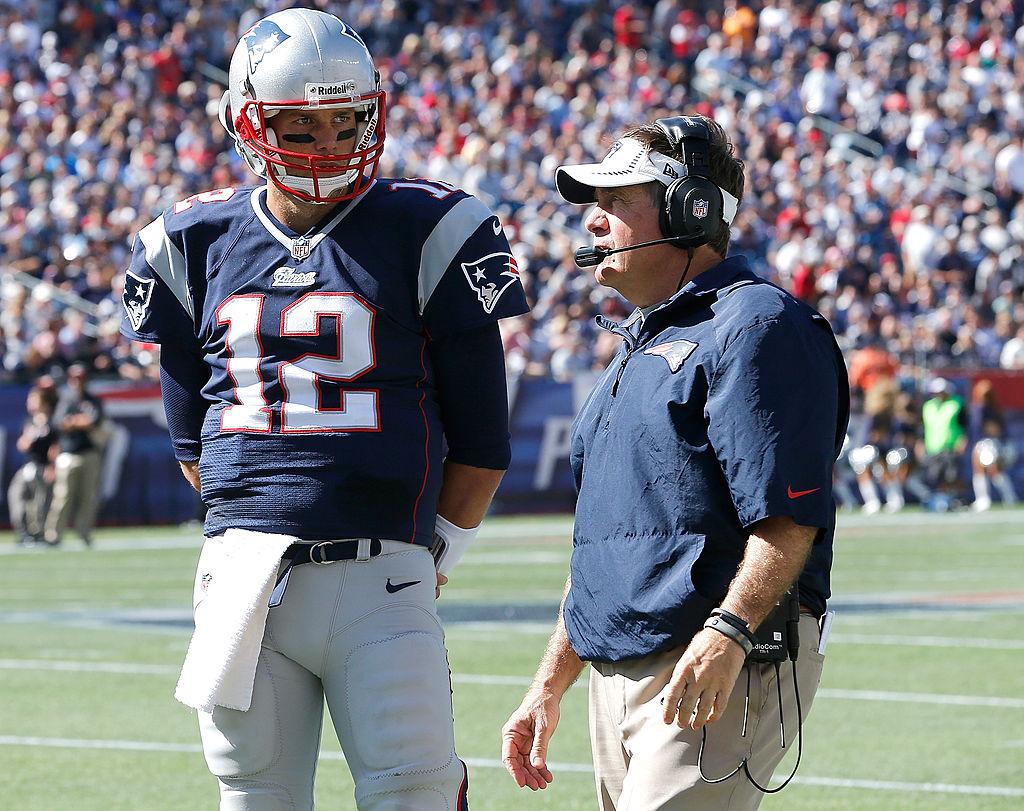
Belichick’s career prior to joining the Patriots as head coach in 2000 was unsatisfactory. Most notorious was his 1991–1995 stretch as head coach of the Cleveland Browns. His time there resulted in a 36–44 record. He also made the dismal decision to cut quarterback Bernie Kosar during the 1993 season; Kosar went to the Dallas Cowboys and became part of their Super Bowl XXVIII victory. If that wasn’t bad enough, Belichick was not the most likable soul, with Myers dubbing him a “cranky sourpuss.”
Brady the Patriot
Patriots quarterback coach Dick Rehbein saw qualities in Brady that others missed. He aggressively lobbied Belichick to draft Brady, even though the team already had Drew Bledsoe, John Friesz, and Michael Bishop as quarterbacks. Sadly, Rehbein passed away from heart disease shortly after Brady joined the team.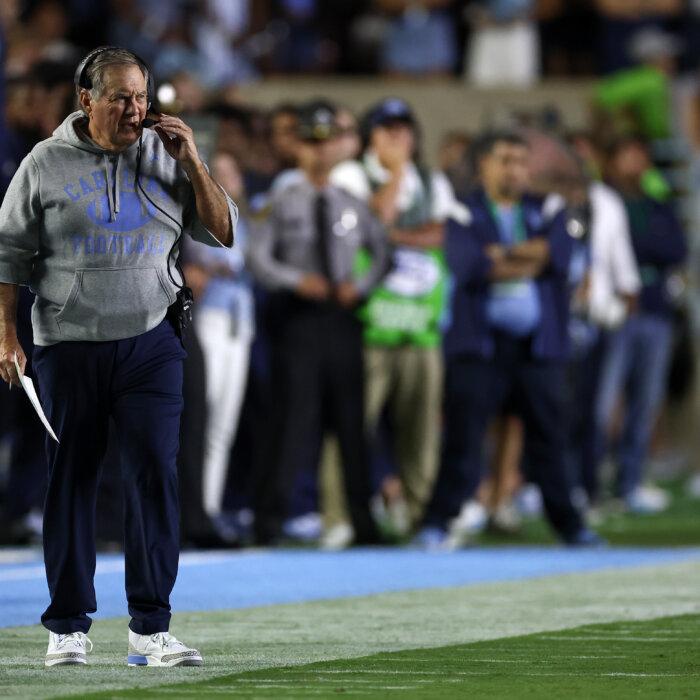
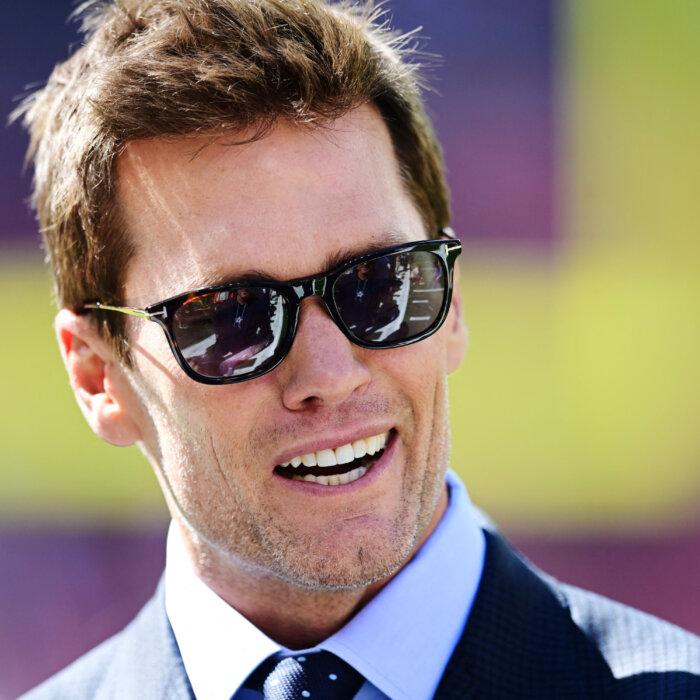
Luck was on Brady’s side. In 2001 Friesz retired, Bishop was dropped from the team, and Bledsoe, who led the team to their first Super Bowl appearance in January 1997, was sidelined after being seriously injured during a game.
Brady led the Patriots to their first Super Bowl victory, and Belichick decided to keep Brady as the starting quarterback even after Bledsoe was healthy enough to return. Bledsoe was traded to the Buffalo Bills. That created constant apprehension for Brady that someday Belichick would trade him despite his work for the team.
Myers credits Belichick’s tough coaching style for driving Brady to greatness. A confident Brady would then take control of the relationship as his leadership abilities inspired the team. Wide receiver Danny Amendola would later declare that the team worked for Belichick but played for Brady.
“If Belichick’s coaching carried Brady to his first three Super Bowl titles, then Brady put Belichick on his back and carried him to the second set of three Super Bowls,” Myers writes. “He covered up for Belichick’s many personnel miscues by raising the level of play of everyone around him, the intangible quality that separates the truly elite quarterbacks.”
Alphas
Ultimately, Myers declares, the mentee balked at the mentor’s attempts to control him and the relationship between Brady and Belichick frayed amid a clash of alpha personalities. Brady cited Belichick’s overbearing managerial skills in his tearful declaration to Kraft that he was leaving the Patriots in 2020 for the Tampa Bay Buccaneers.Without Belichick as his coach, Brady gained an additional Super Bowl victory with the Buccaneers. But without Brady as his starting quarterback, Belichick failed to keep the Patriots at a championship level. He eventually was forced to leave the team in early 2024. No other NFL franchise wanted him, and he moved into college football as head coach for the North Carolina Tar Heels.
Throughout the book, Myers gives the impression that Brady cannot do anything wrong, but Belichick cannot do anything right. The author’s insistence that “the great quarterback is always more important than the great coach” ignores the basic fact that a team consists of multiple players who bring their own individual skills, talent, and magic to create a unified presentation. Football is not a one-man production. Seriously, what good is a leader if there is no one worth leading?
In the years since the glory days of the Patriots, Brady and Belichick acknowledged each other’s talent and value during the team’s peak period. Ultimately, that should render moot the debate Myers attempts to force in choosing one man over the other for the team’s success.