School is cranking up, and students of all ages are getting advice from parents about keeping up their grades and staying on target with their homework. Elementary and secondary school teachers have already spent the first day of class distributing textbooks and perhaps a syllabus for the semester. Some college presidents have delivered an opening day address, reminding their audience that education is a privilege and exhorting them to make the most of their time on campus.
Nothing new here other than the particulars. Parents and teachers down through the ages have reiterated time and again the importance of an education and how it can shape a person and a life.
Benjamin Franklin (1706–1790) received little in the way of formal education, spending one year in a classroom, another with a tutor, and leaving school altogether to work at the age of 10. Yet of all these early patriots, he was the most ardent in promoting books and studies and spotlighting the crucial importance of education, particularly in a republic.
Learning Depends on the Learner
In 1749, Franklin wrote and published a pamphlet, “Proposals Relating to the Education of Youth in Pensilvania.”In the first sentence of “Proposals,” Franklin wrote, “It has long been regretted as a Misfortune to the Youth of this Province, that we have no ACADEMY, in which they might receive the Accomplishments of a regular Education.”
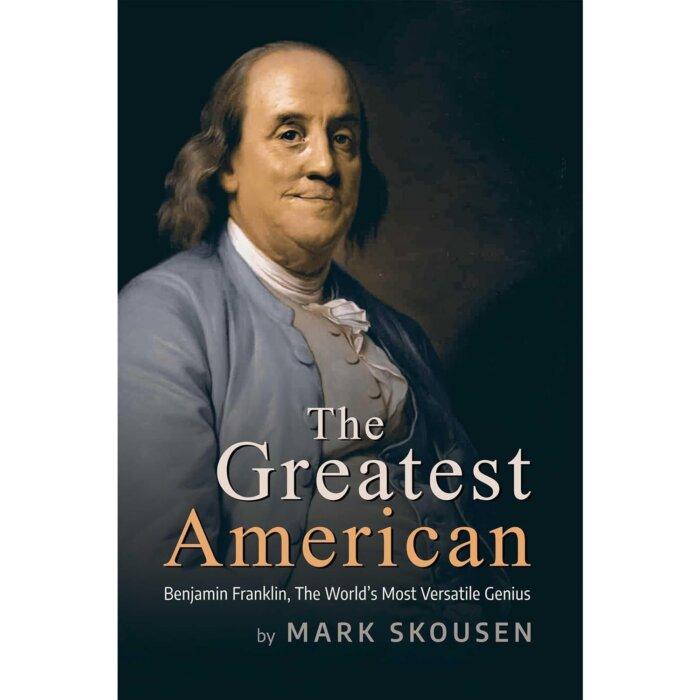
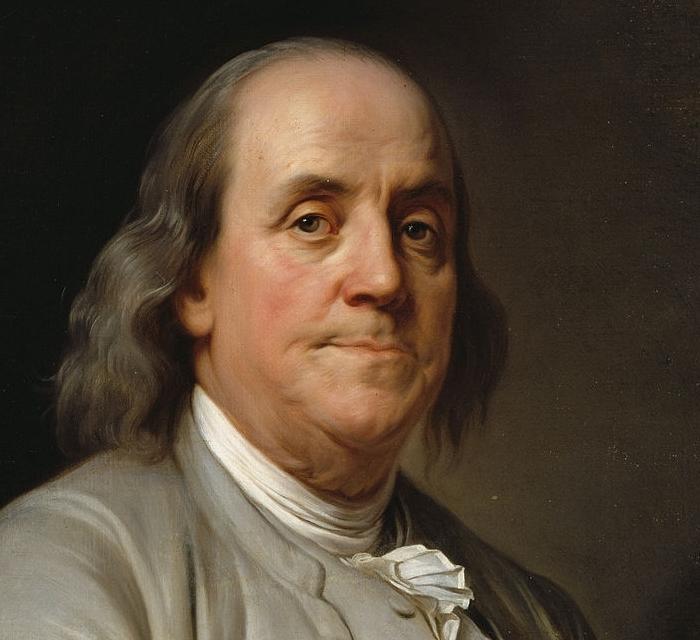
This piece of writing was instrumental in the establishment of the Academy of Philadelphia, which in 1791 merged with the University of the State of Pennsylvania to become the University of Pennsylvania.
The prose that follows Franklin’s introduction is crisp and clean and easily comprehended by modern readers. Sources Franklin cited in “Proposals” included the writings of John Milton and John Locke, as well as the works of lesser-known authors noted at the time for their writings on education.
That a man with so little formal schooling as Franklin could have read so much and written so well speaks volumes about his drive to learn, both from books and experience. From his teenage years onward, for example, he worked hard to develop his writing style. His time spent as a printer, which he began at about the same time and in which he took pride for his entire life, educated him in current affairs and literature and improved his spelling and reading abilities.
Exercise and Eat Well
In “Proposals,” Franklin recommended that students eat “plainly, temperately, and frugally” and “that to keep them in Health, and to strengthen and render active their Bodies, they be frequently exercis’d in Running, Leaping, Wrestling, and Swimming.” In the notes that follow “Proposals,” he quoted Scottish educator and philosopher George Turnbull, “Corporal Exercise invigorates the Soul as well as the Body.”Study History
English composition, foreign languages, geometry, oratory, and astronomy were some of the recommended studies in “Proposals,” but Franklin clearly regarded history as the queen of all academia. He took the broadest view possible of that subject, incorporating into it geography, religion, nature, commerce, and more. He understood that history has lessons to teach us beyond dates and names.“Indeed the general natural Tendency of Reading good History, must be, to fix in the Minds of Youth deep Impressions of the Beauty and Usefulness of Virtue of all Kinds, Publick Spirit, Fortitude,” he wrote.
The World Is Your Classroom
Franklin’s “Proposals” is a predecessor to the Montessori method of education, for he several times advocated blending extracurricular activities with book-learning.“Proposals” takes this same approach for students. Franklin recommended writing letters, making abstracts of readings in the student’s own words, and “telling or writing Stories lately read, in their own Expressions.” For students studying natural history, he advised that “a little Gardening, Planting, Grafting, Inoculating, &c. be taught and practised” and that they visit the best farms in the area. Students learning about “Mechanicks” should examine prints of machines, which they should then copy.
Understand Why You Are in School
In his concluding paragraph of “Proposals,” Franklin summed up the endgame of education: “The Idea of what is true Merit, should also be often presented to Youth, explain’d and impress’d on their Minds, as consisting in an Inclination join’d with an Ability to serve Mankind, one’s Country, Friends and Family; which Ability is (with the Blessing of God) to be acquir’d or greatly encreas’d by true Learning; and should indeed be the great Aim and End of all Learning.”Here is a key point of Franklin’s lessons for today’s students. If you have no real idea where you’re going, you’ll go nowhere. If instead you are clear on the aim and end of your learning, odds are you’ll excel in your studies.
Franklin is often credited with the following adage: “If a man empties his purse into his head, no one can take it away from him. An investment in knowledge always pays the best interest.”
By getting yourself an education, you’re piling up dividends for life.