Out of War
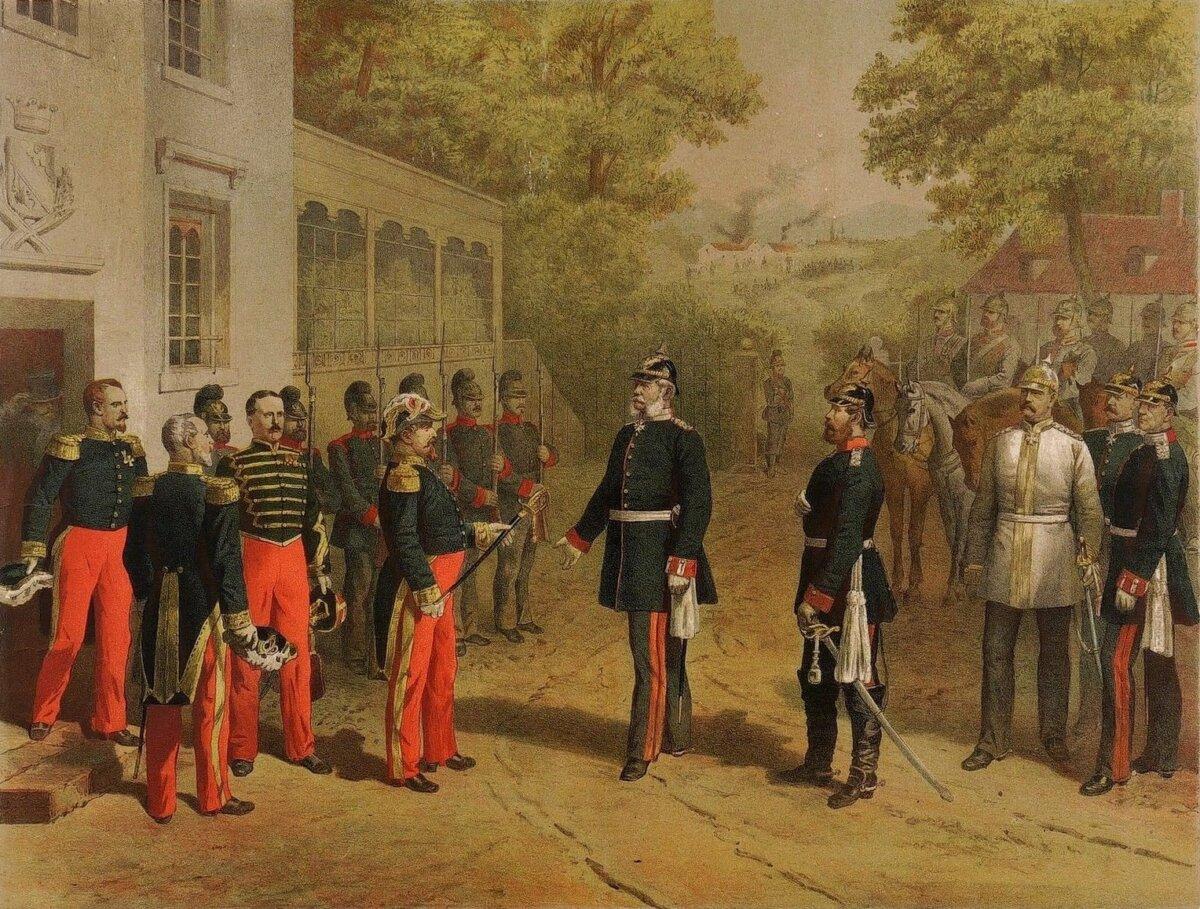
The doomed Paris Commune—one of the most radical experiments in European politics—emerged as a drama within a drama. The larger drama was the Franco-Prussian War, French Emperor Napoleon III’s ill-advised attempt to check the growing power of Prussian chancellor Otto von Bismarck, who sought to unify the various German states into one nation. Overconfident French generals told Napoleon that the newly reorganized French army was superior to the German forces—particularly because of its new breech-loading rifle and an early form of the machine gun. A sure victory over Prussia would boost Napoleon’s slumping popularity, the generals told him.In reality, the French found themselves woefully unprepared to face the onslaught of a better-trained, rigidly organized, and numerically superior Prussian military. The war lasted less than a year, culminating in France’s humiliating defeat at the Battle of Sedan, in which Napoleon III himself was captured by the Prussians. Napoleon was forced to accept peace terms in May 1871 that were disastrous for France and marked the collapse of France’s Second Empire: France surrendered the provinces of Alsace and Lorraine and had to pay an indemnity of 5 billion francs—with German troops occupying France until the payment was complete. Moreover, Germany emerged from the war as a single unified state and a major player in European politics, just as Bismarck had planned.
Rise of the Commune
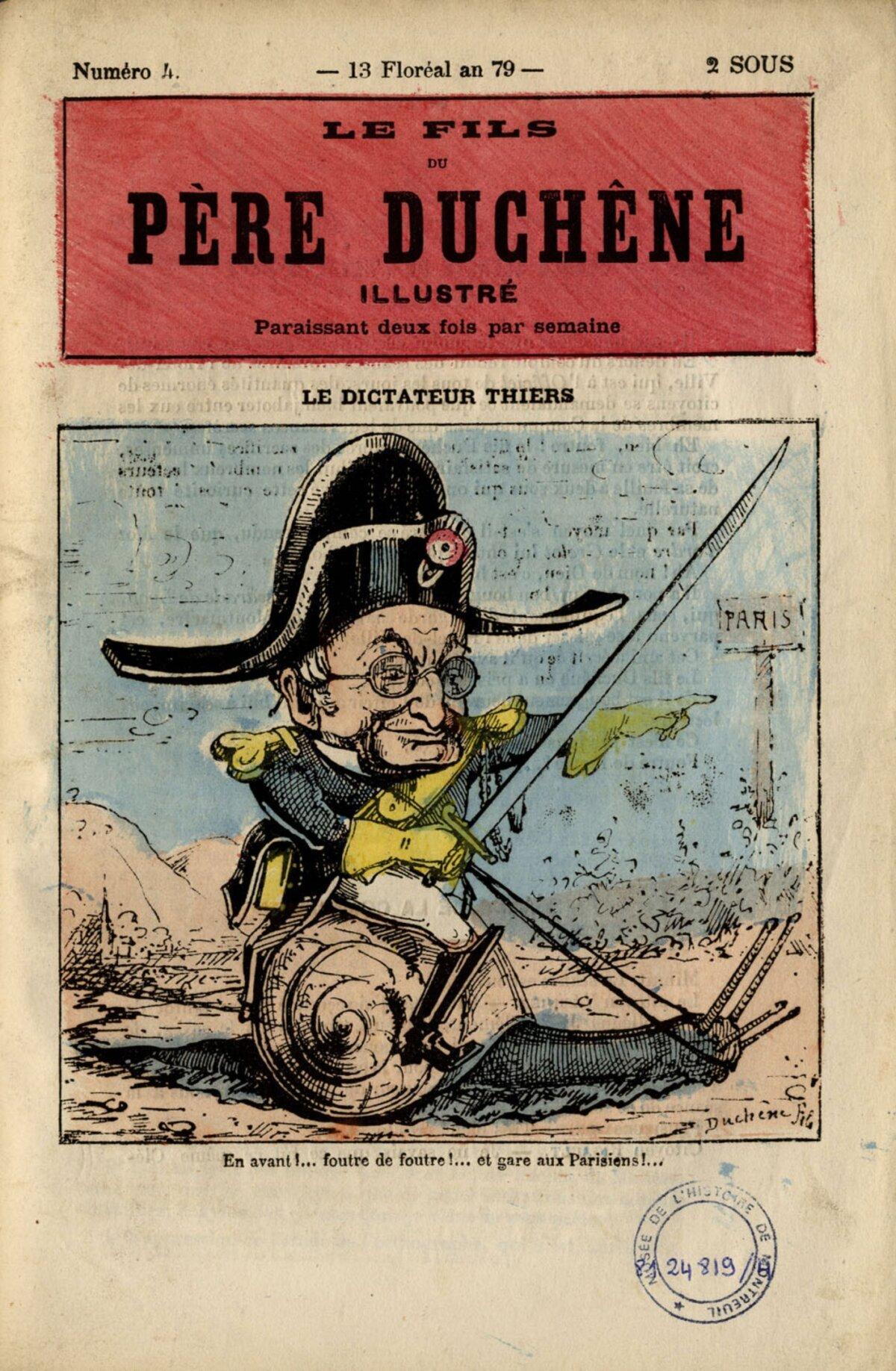
With the evaporation of Napoleon III’s government, Adolphe Thiers became the head of the provisional French government. The French National Assembly elected in February 1871 was composed of a conservative, even royalist majority. This new Third French Republic was supported by the more conservative rural populations of France and the Catholic Church. This sparked fears in the Republic-loving people of Paris—many of whom were radical socialists, anarchists, and anti-royalists—that the new French government would try to restore the French monarchy.Fearing the Parisians’ hostility toward his government, Adolphe Thiers had his government set up at Versailles and ordered the disarming of the National Guard in Paris and sought to have their cannons confiscated. This—along with Thiers’s capitulation to the Germans, who had so afflicted the Parisians—enraged the workers of Paris. The spark of revolution turned into a massive conflagration. They refused to hand over their weaponry. Further, the revolutionaries in Paris captured and killed the two generals sent from Versailles. The government forces eventually retreated to Versailles to regroup.
On March 18, 1871, the National Guardsmen, laborers, activists, and revolutionaries formed their own government, the Paris Commune. These revolutionaries thus came to be known as “Communards.”
The Communards were a motley crew, including many extremists with often divergent perspectives who were aligned in their hatred for Thiers’s government and anything that gave off even a whiff of the Ancien Régime of France—the social, political, and religious order that had been overthrown by the French Revolution. Among those included in the new government were Jacobins, the most extreme party that had participated in the events of 1789-1799 and oversaw the infamous Committee of Public Safety and Reign of Terror.
There were also Proudhonists, who followed the socialist-anarchist teachings of Pierre-Joseph Proudhon. And there were Blanquistes, the admirers of Louis Auguste Blanqui, who sought to violently bring about a socialist state.
Despite internal conflicts, the Communards agreed to adopt a program that echoed the project of 1793 and sought to profoundly reshape French society. The Communards rejected Catholicism as the state religion. They seized Church property for the nation—many churches were closed, vandalized, looted, and transformed into prisons or meeting rooms.
The Commune secularized the education system, placed limitations on the workday, abolished child labor, instituted self-policing, remitted rent, and gave workers the right to take over abandoned factories. Some female communards advocated for women’s rights to divorce, education, and equal wages, but they didn’t have the right to vote, and not all their aims were achieved.
Communist Precursors
Popular depictions of the Communards often hold them up as heroic examples of enlightened thinking. Contemporary narratives often focus on the brutality with which the Third Republic suppressed the revolt of the Communards. But this telling often whitewashes the radicalism of the revolutionaries and the brutality of some of their own deeds. As Solène Tadié writes for the National Catholic Register,“The terrible wave of repression that followed this period of insurrection, considered the most violent episode of the country’s history since the French Revolution ... tends to cover the ruthless exactions committed by the Communards on those they considered to be their enemies, including many clergymen.”
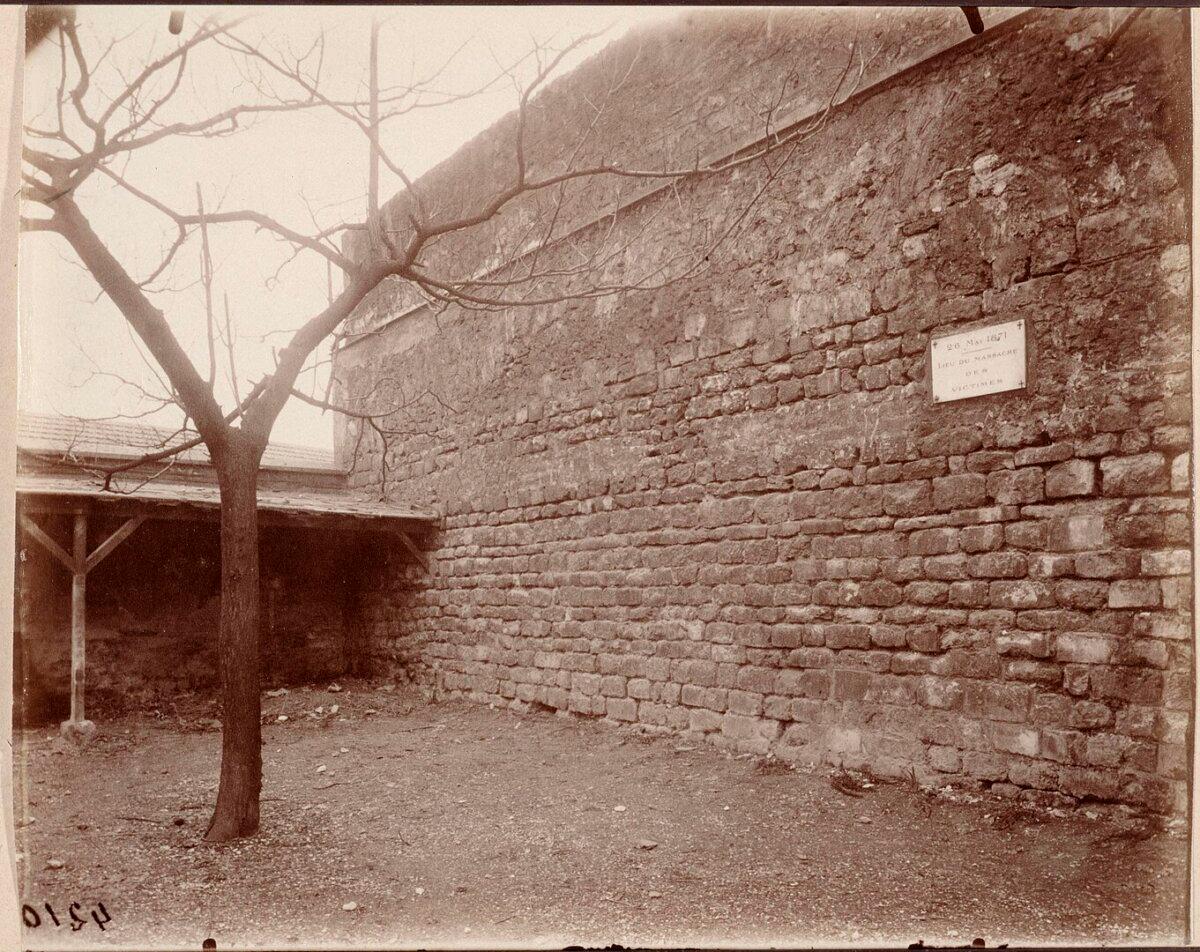
The Paris Commune was indeed vehemently anti-clerical. The anti-religious laws outlined above constituted just one form of this anti-clericalism. For the Communards didn’t hesitate to simply kill Catholic clergymen—including the prominent Archbishop Georges Darboy—in cold blood and without trial. One of the most famous of these incidents was the Massacre in the Rue Haxo, where over 50 hostages were summarily put to death without having committed any crime.
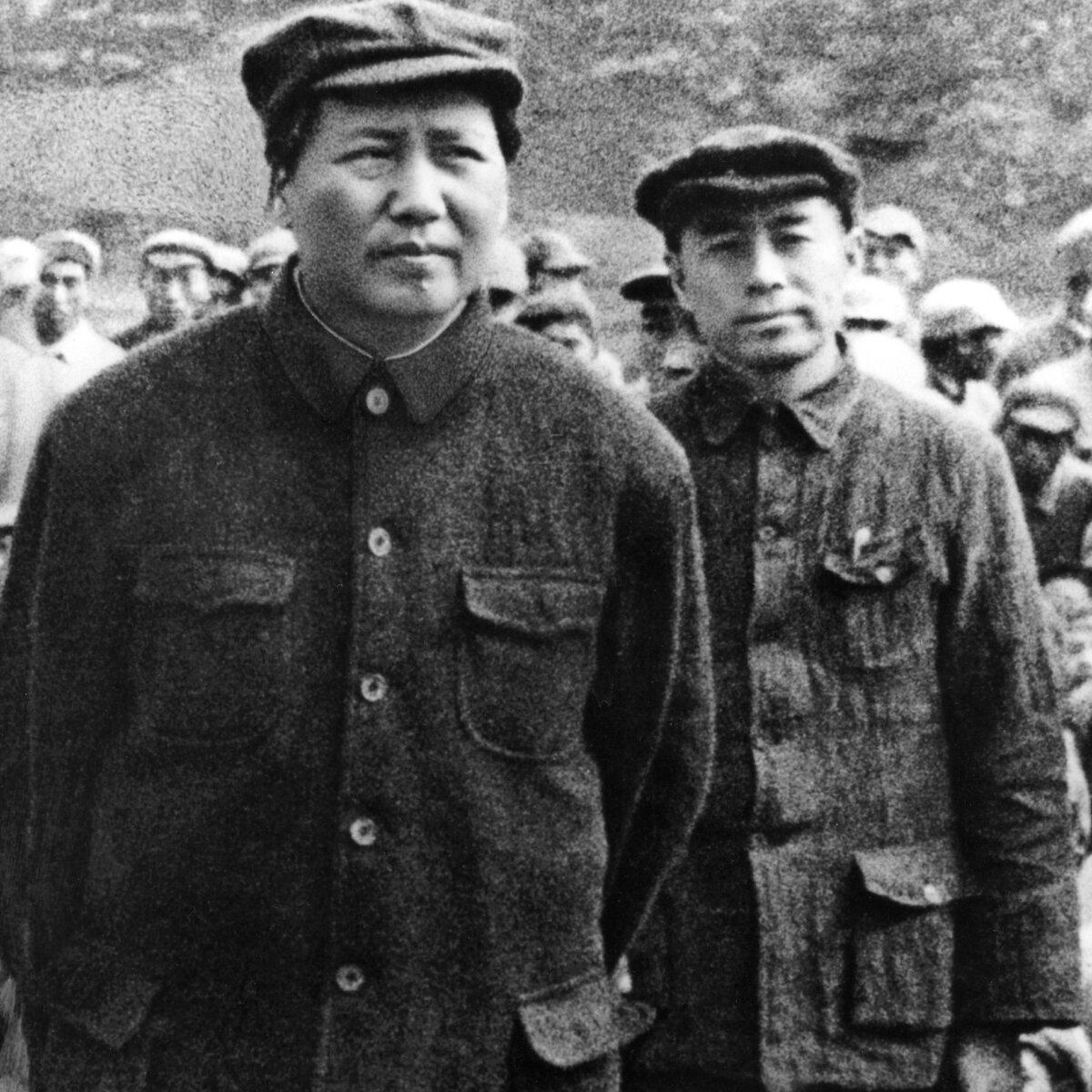
In its atheistic antagonism toward religion and its willingness to dispense with “undesirables” without any just legal process, the Paris Commune presaged the atheistic communist governments of Lenin, Stalin, and Mao, who would do the same thing but on an inconceivably larger scale. The Paris Commune, although it never sank nearly to the level of inhumanity shown by those later regimes, was, in some ways, a dress rehearsal for them.
The End ... or the Beginning?
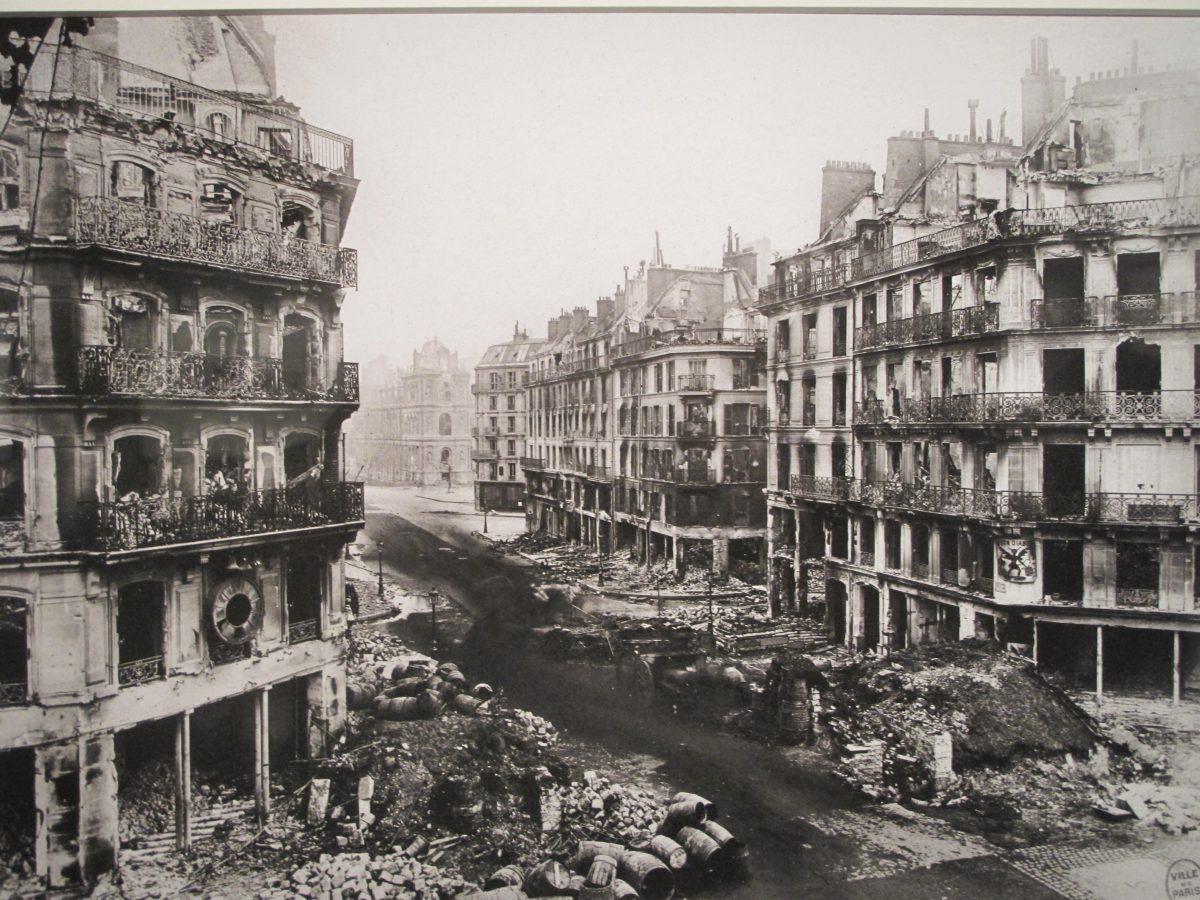
The Communards hunkered down in preparation for the inevitable attack from Versailles, ensconcing themselves in the city by means of barricaded streets. The attack came like a thunderbolt. The troops of the Third Republic assaulted the city and crushed the revolution with much bloodshed in late May 1871. During “Bloody Week,” they captured and executed thousands of Communards and suspected Communards. By some estimates, 10,000-25,000 Communards were killed in battle or executed.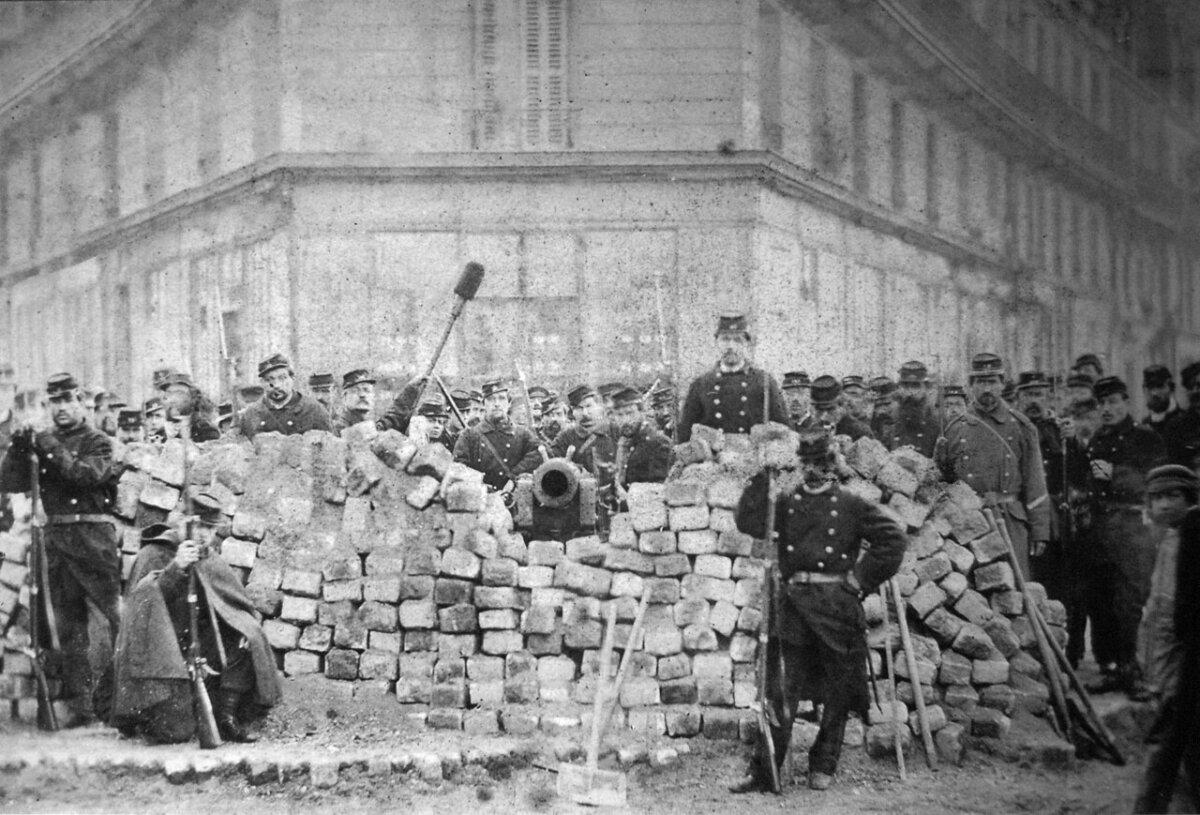
Marx and Engels saw the Paris Commune as the first real-world example of the dictatorship of the proletariat and as “a lever for uprooting the economical foundations upon which rests the existence of classes, and therefore of class-rule.”
So this strange and gruesome episode in French history, though it lasted only two months, left an ineffaceable imprint on history, particularly because of the successful communist revolutions it helped inspire—with catastrophic consequences for millions of poor souls.