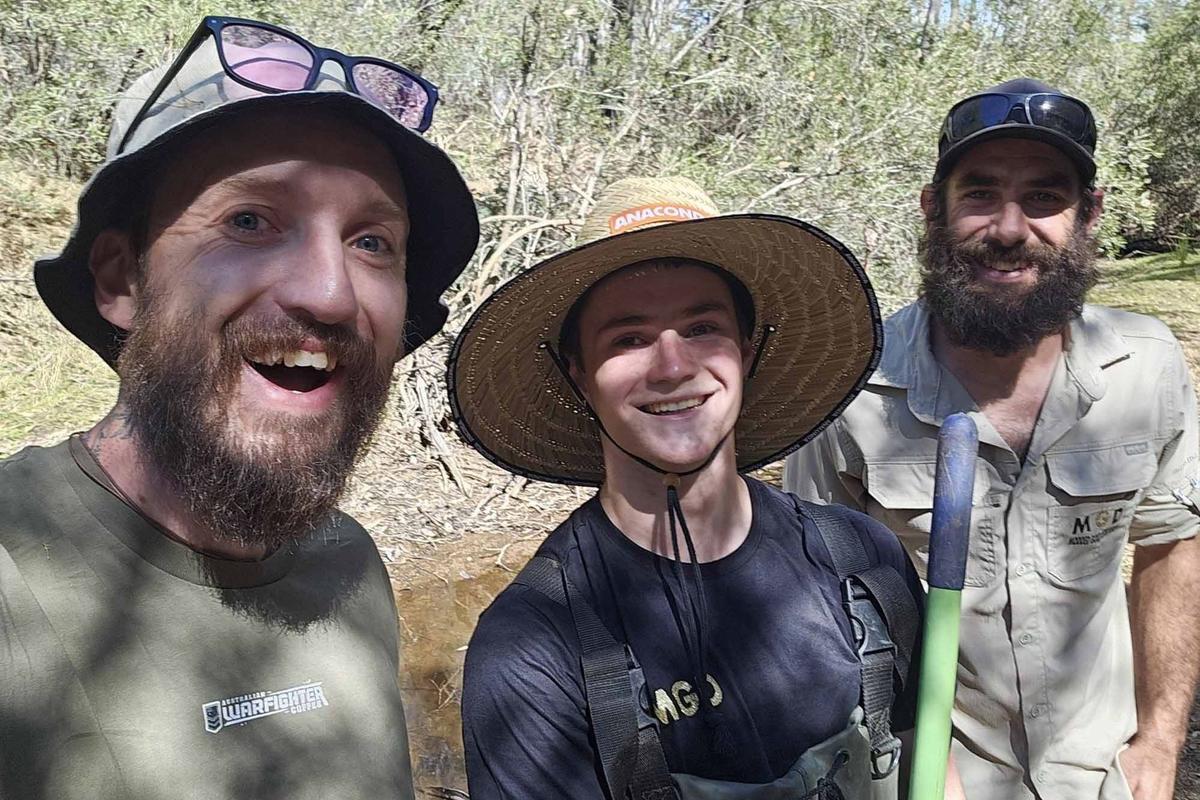
Chris Bogusis deals in selling gold pans, shovels, and sluice boxes in the Victoria region of Australia, awash with gold in its winding rivers. He’s found numerous nuggets himself, but lately he mainly cashes in on gold fever, supplying fresh new prospectors with the tools and education they need to seek their fortunes.
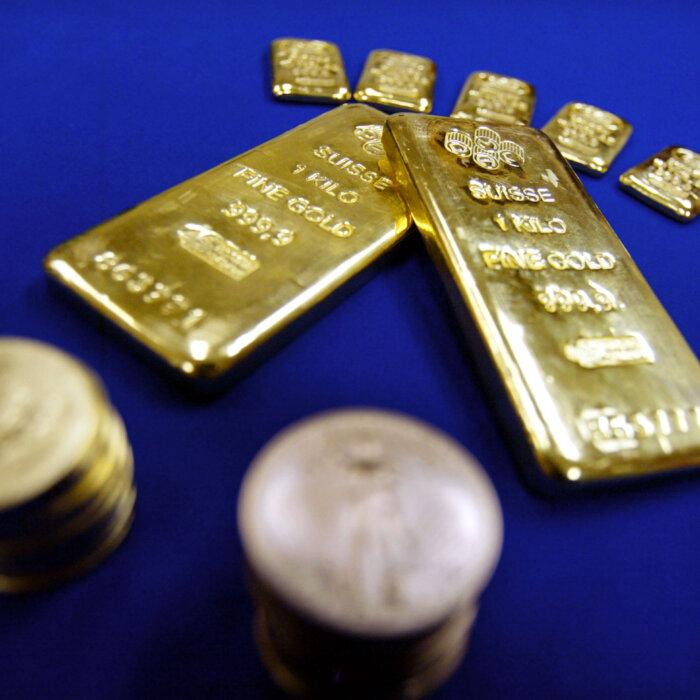
He says today’s high price of gold is luring them in droves.
Bogusis teaches the clientele who patronize his business, Vo-Gus Prospecting, why they should pan for gold on the inside bend of a river. He shows them how to use a pan, and explains where river gold comes from: Earth disturbances like quakes or volcanic eruptions release underground gold that is carried up by liquified silica, forming reefs near the surface before being deposited downriver. Most importantly of all, he points to the all-important trait for finding the precious metal—logical thinking.
All this knowledge, he says, was unavailable to him when he first started panning nearly a decade ago.
“My whole life changed because I found gold prospecting,” Bogusis, 36, told The Epoch Times. “I want to give other people the same opportunity.”
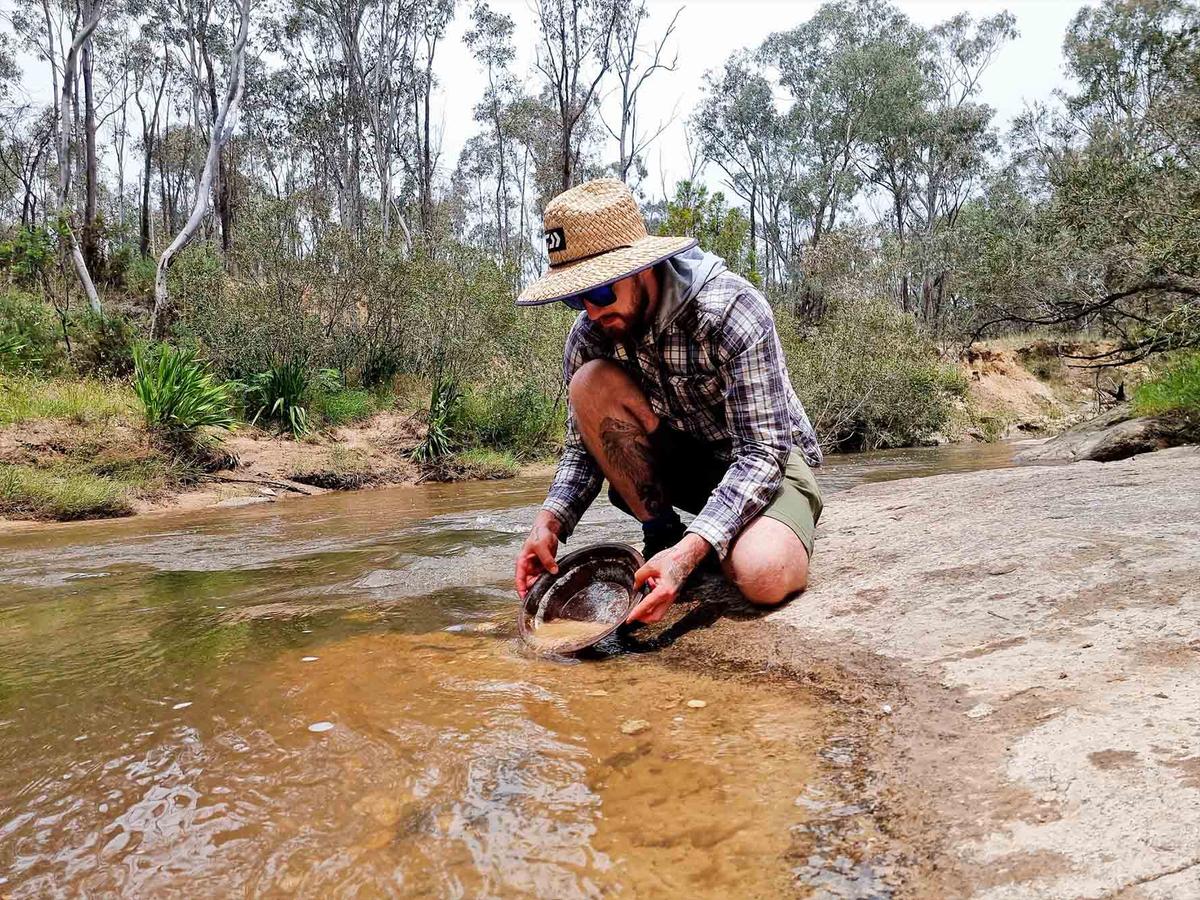
Bogusis, whose father once panned for gold near their home in Albury-Wodonga, in northeastern Victoria, says gold prospecting is booming. He’s seen the number of gold panners near his hometown increase by as much as 30-fold, ever since the COVID-19 pandemic hit.
Besides high gold prices, individual prospectors are hedging against inflation or seeking more self-reliance in a world that seems all too unstable, he says. But many just wanted to get outside their homes during pandemic lockdowns.
“Post-COVID, we saw a pretty big influx of people coming out, people started valuing their time more,” Bogusis said. “But it really exploded in the last 12 months. Once that gold price got above $3,000 (Australian) an ounce, it really drove people.” Currently, prices for gold are up to around AU$5,200.
The first gold nugget Bogusis ever found back in 2016 changed his life, he says. He was recovering from post-traumatic stress disorder after witnessing the horrors of Australia’s tragic Black Saturday bushfires in 2009. He had been an avid outdoorsman and archery coach previously, but after the fires he lost interest in these activities. He turned to alcohol and lost his home, business, and marriage due to emotional scars.
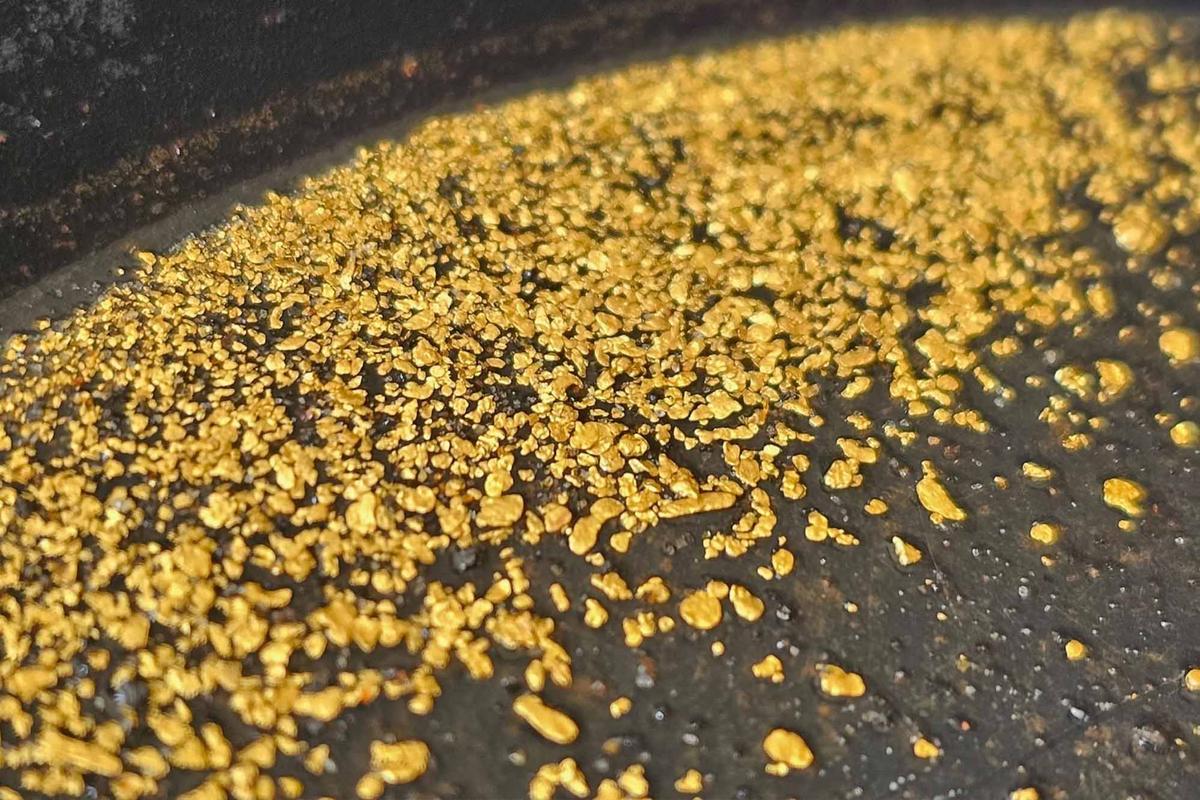
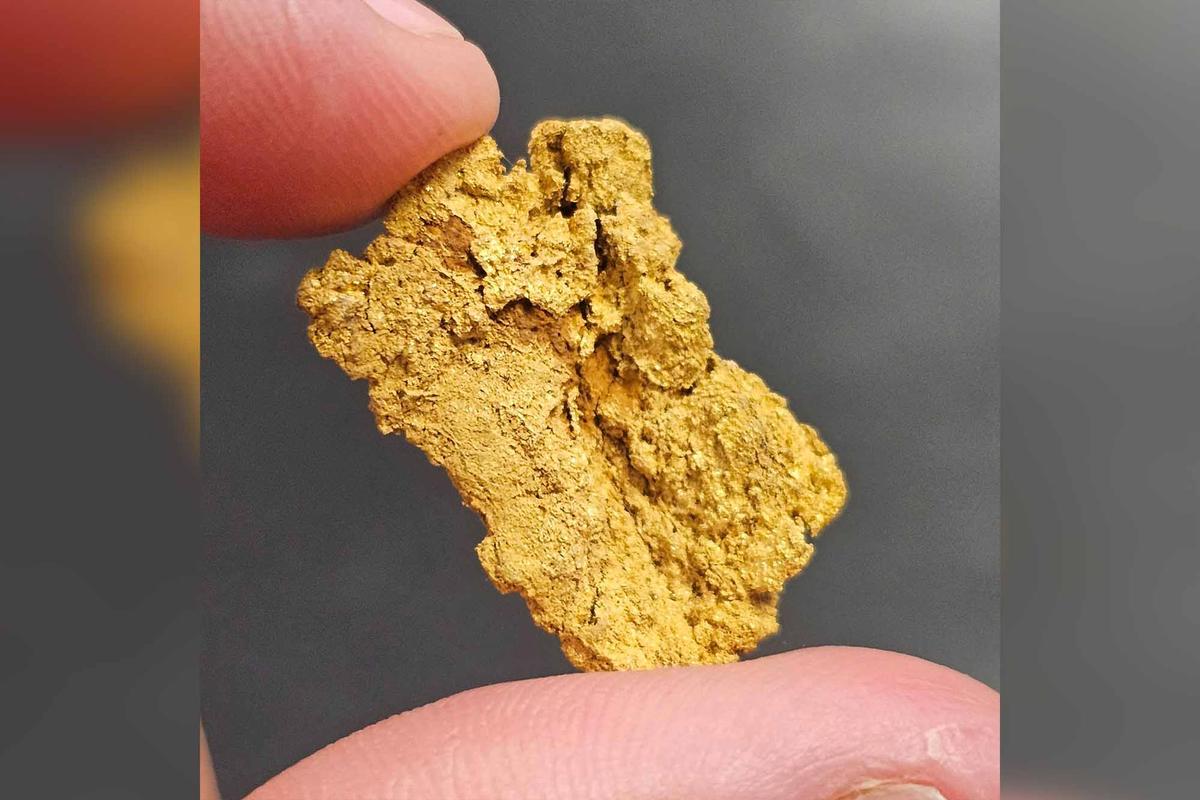
Fortunately, a close family friend who was a gold panner lent a compassionate hand by taking Bogusis out on gold-hunting expeditions, helping him recover his outdoorsy passion. Soon Bogusis was venturing out alone with ambitions of claiming some of the region’s legendary gold, as recorded in history books. It wasn’t long before he pulled up his first nugget, the fruit of his labour.
He had done his research and put in the work.
He had also developed a strategy.
“We’re going into a place that can take three hours to hike into—just to get there,” he said, speaking of his method for finding untouched panning spots, “trying to get into places where other people wouldn’t want to go.”
Bogusis had found a secluded, dried-out gully. Then a sudden rainfall caused a flash flood, revealing it to be an old gold miner’s hot spot, though no prospector had panned there for a long time. A signal from his metal detector led him to overturn a large rock, and he plucked a nugget from under the water. This fuelled his thirst and pushed his prospecting ambitions to the next level.
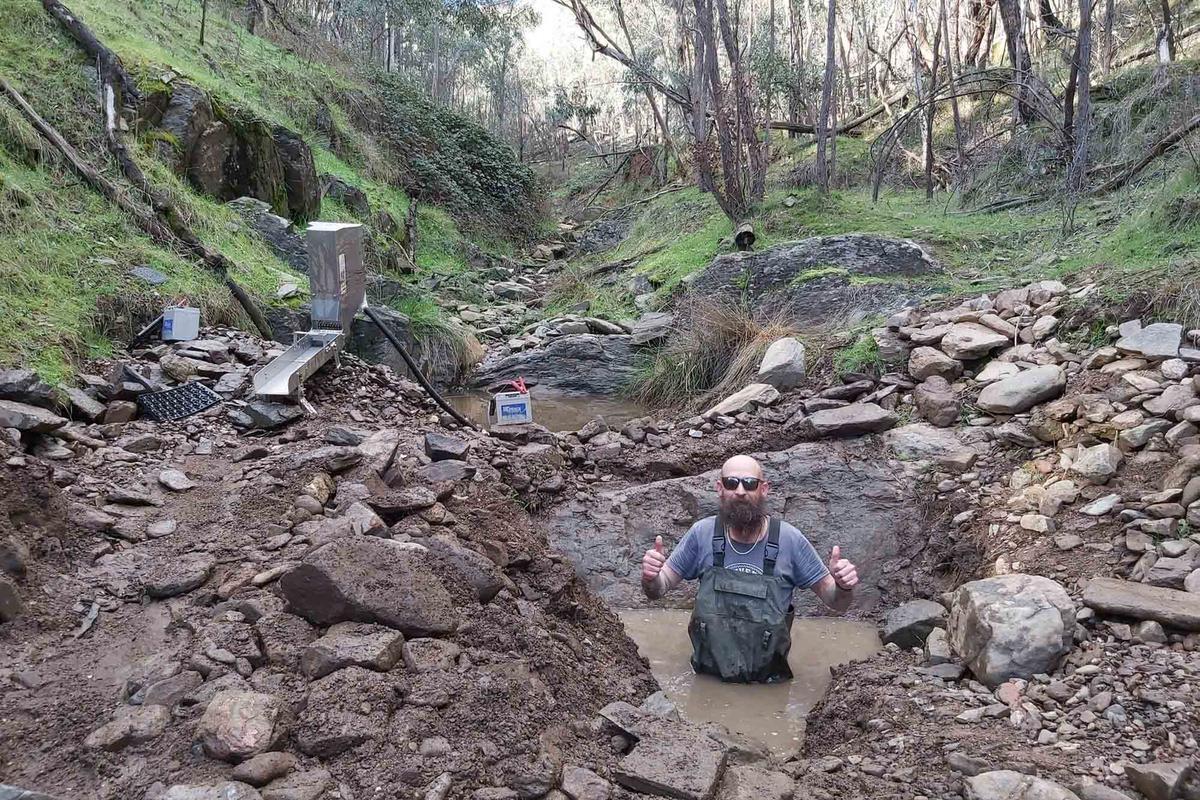
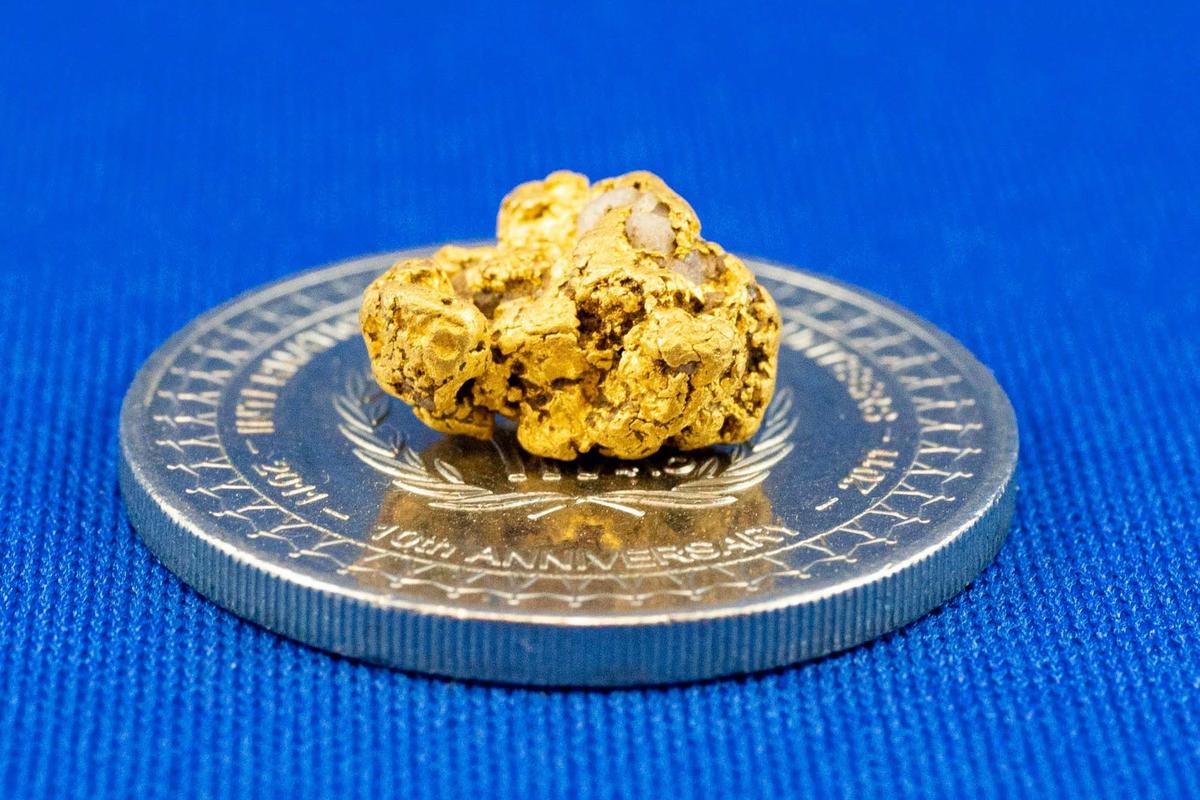
Australia’s national anthem sings of “golden soil and wealth for toil,” which Bogusis says is “a direct quote to the gold rush.”
“Melbourne was the richest city on Earth due to our goldrush for quite a number of years,” he said. The rush ultimately led to gold miners rebelling against colonial authority in 1854.
“The Eureka Stockade is the biggest rebellion that Australia’s ever had, that we paid for in blood. They had a full-blown war over their right to have a fair go,” Bogusis said.
Bogusis notes the overhead burden is heaviest for small mining operations in Victoria. Mining permits can cost hundreds of thousands of dollars, and public land is mainly only for hiking. “It’s quite tricky for new people to navigate where they should be,” Bogusis said. Much of his work is based on the Miner’s Right law, introduced in 1855, which permits individuals to prospect on Crown land.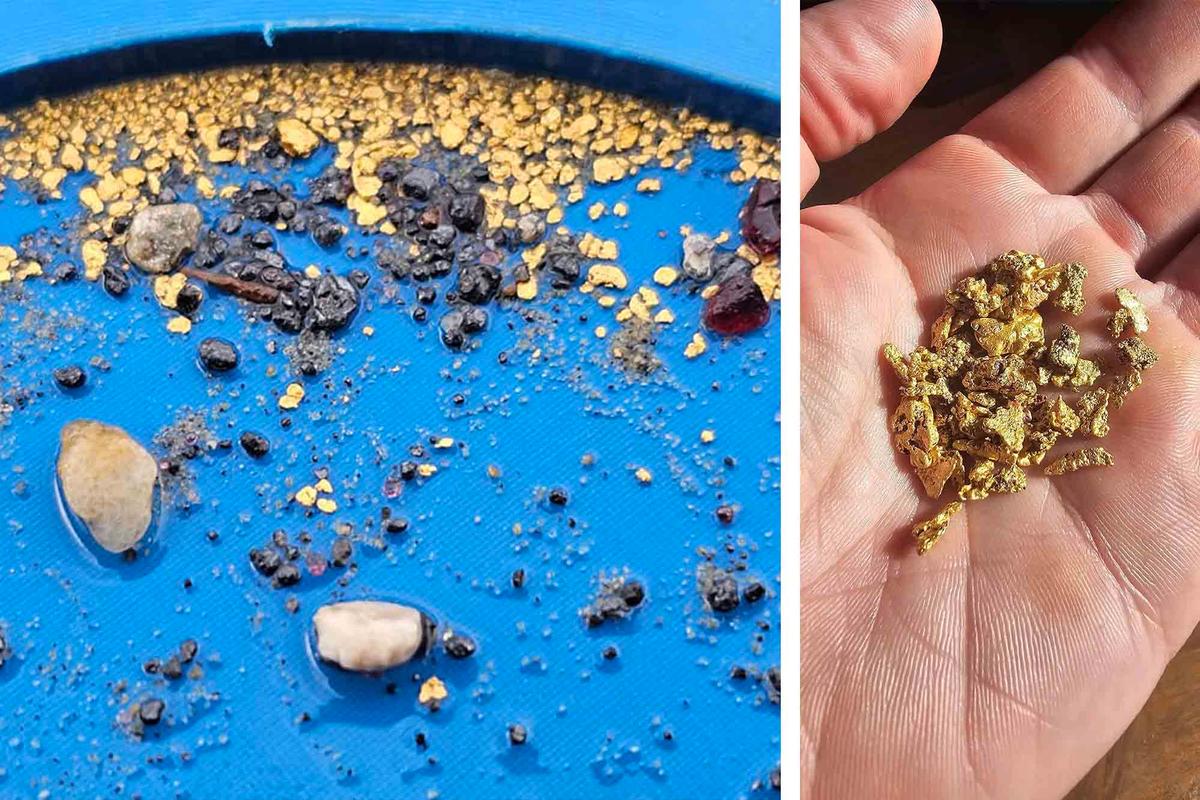
Bogusis is assertive about his rights. Although he often gets two different “authoritative” answers when asking permission to dig, he‘ll simply head out and find places clearly designated as Crown land. If a ranger approaches, he presents his maps, his Miner’s Right permit, and his research. He’ll also ask for counterpoints, and if contrary bylaws or maps are produced, he’s “more than happy to walk away.”
“Ninety-five percent of the time we’ve had absolutely no issues,” Bogusis said. “They can see your point, as long as you’re not a belligerent idiot.”
One of Bogusis’s most memorable finds was a gold reef (or gold ore deposit), which he calls “the holy grail of prospecting.” He and a friend located it in 2019 after hiking through extremely rough terrain. “It was this series of very small mines that had been dug in the side of this ridgeline,” Bogusis said. Miners long ago had burrowed into the hillside, blanketing it with gold-rich quartz as they pursued the primary ore body.
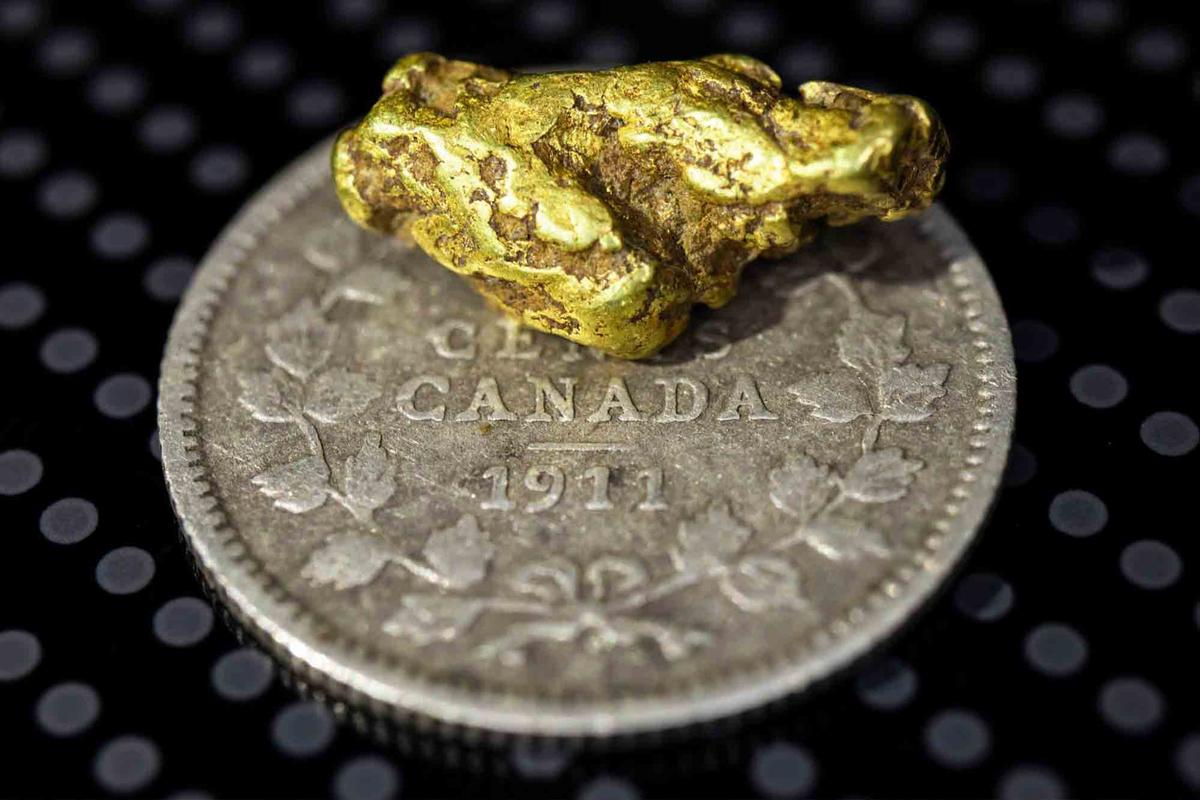
Those miners would have considered this quartz “low-grade” ore, Bogusis said. But for this pair, it was different.
“We pulled out so much gold from that, it’s ridiculous,” he said.
Much of the credit for the find belongs to Bogusis’s dad, he says. He‘d mined this site in the 1970s but had always been closed-lipped about his dig sites. Bogusis woke up to a text message one morning. “It was just a Google Maps pin in the middle of the bush,” he said. “When I saw that thing, I was like, ’Oh, you’ve given me one of your spots haven’t you!’”
His dad replied, “There’s good gold there.”