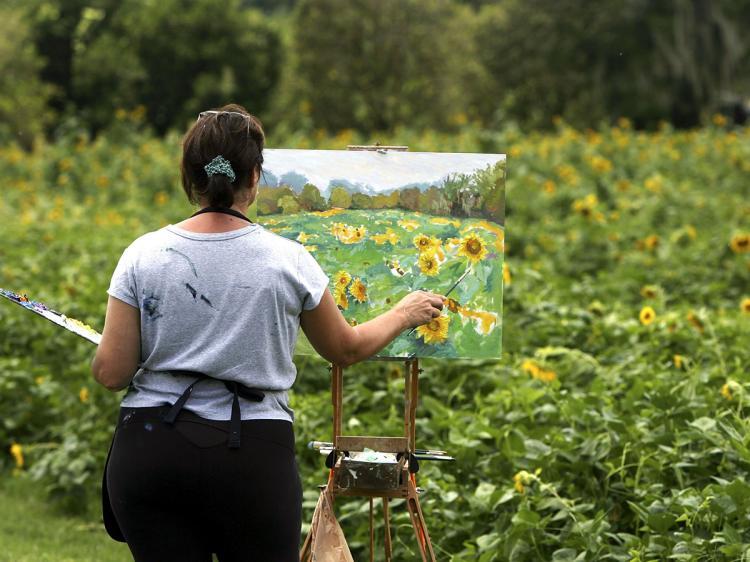
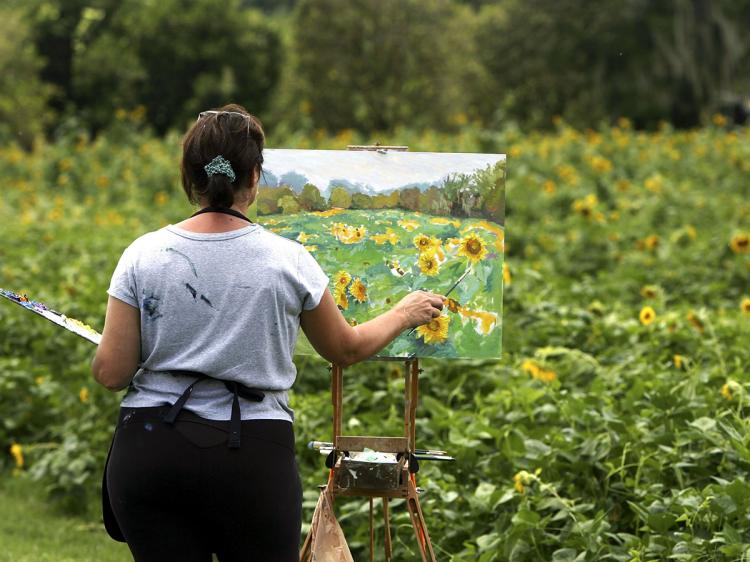
In these bad economic times, “struggling artist” takes on a sharper meaning as creative professionals find greater challenges to working in their fields.
A survey commissioned by Leveraging Investments in Creativity in collaboration with Helicon Collaborative and Princeton Survey Research Associates International compiled findings that were both expected and surprising.
While most of the 5,300 artists surveyed describe themselves as visual artists, almost half create work in at least two art forms. Fully 69 percent have worked in their fields for more than 10 years.
As in most other occupations, 51 percent indicated that their income from art declined last year. Not unexpectedly, the study found that artists hold “day jobs,” most in arts-related fields, to supplement their creative endeavors. It also found that “half of artists who work in arts-related fields work in academics and the commercial arts (43 percent) and nonprofit arts (42 percent).”
Because consumer spending has drastically lessened, the biggest impact for artists comes from a decrease in sales of their work or from lowered fees, according to the study.
Oddly, but possibly in keeping with the creative freedom necessary for an artist to work, the survey reported that artists now have “freedom to concentrate on their art in new ways.” They also have access to more affordable studio space.
With this comes “being more open to new ideas and perspectives, and creating a better work/life balance.” A full 75 percent carry a positive outlook with the view that “this is an inspiring time to be an artist.”
But a reduction in resources is the greatest cause of concern for those involved in creative occupations. Grants, chances to exhibit, networking, supplies, marketing, and adequate health services top their concerns.
The study concludes with a statement by Andrew Simonet, founder of Artists U. “In some ways, the recession only exacerbates the ongoing conditions for artists. We always have to improvise and put our livings together creatively. But this time is different—we’re struggling as a nation with some fundamental issues and values, and change is in the air. Such times feed the imaginations of artists and enhance their contributions to people and communities.”