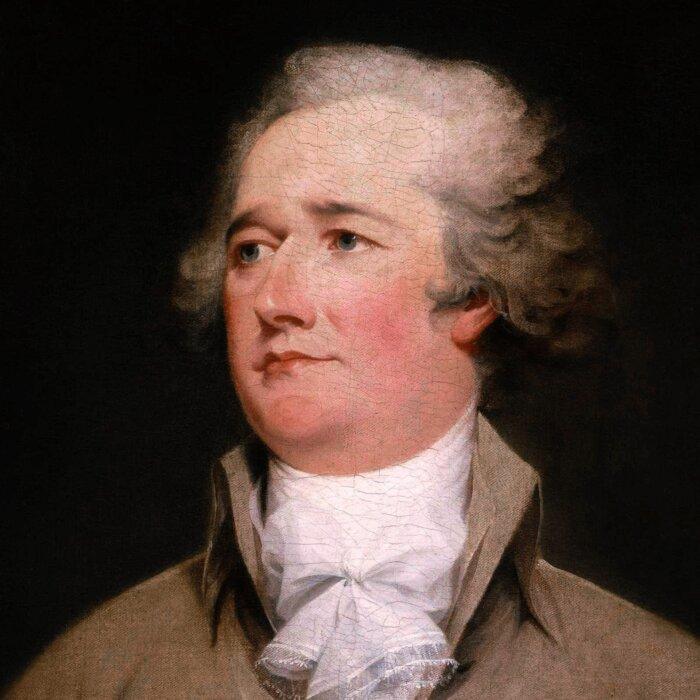
An examination of the long life of Thomas Jefferson (1743–1826) reveals a circle of friends and acquaintances that is a veritable Who’s Who of the American Revolution and the half-century that followed. He was well acquainted with men like George Washington, made enemies of Alexander Hamilton and other Federalists, called his mentor Benjamin Franklin “a great and dear friend,” enjoyed an intellectual correspondence with Abigail Adams, and counted three presidents—John Adams, James Madison, and James Monroe—as close personal friends.
Examining his relationships with Adams, Madison and his boyhood friend Dabney Carr tells us much about Jefferson’s high regard for friendship, of which he once wrote to another friend and signer of the Declaration of Independence, Benjamin Rush: “I find friendship to be like wine, raw when new, ripened with age, the true old man’s milk, & restorative cordial.”
Friendship Means Loyalty
Feuding Friends
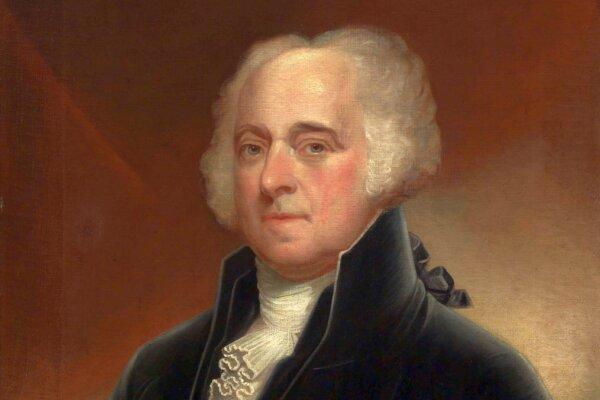
John Adams (1735–1826) and Jefferson first met in 1775 at the First Continental Congress in Philadelphia. Though Adams’s New England upbringing contrasted sharply with Jefferson’s plantation life, and he and his wife, Abigail, owned and operated a farm rather than a plantation, the two became fast friends, drawn together by books, ideas, and mutual respect. Later, they served at the same time as diplomats to France and England, where they toured Shakespeare’s home and English gardens together. At one point, Jefferson wrote to James Madison that Adams “is so amiable, that I pronounce you will love him if ever you become acquainted with him.”
In 1801, when the Federalist Adams lost his second term to Jefferson, the ever-widening gap in their political viewpoints and their vision for America shattered these affections. The two men ceased their correspondence, which Adams had once described as “intimate” and “one of the most agreeable Events in my Life.”
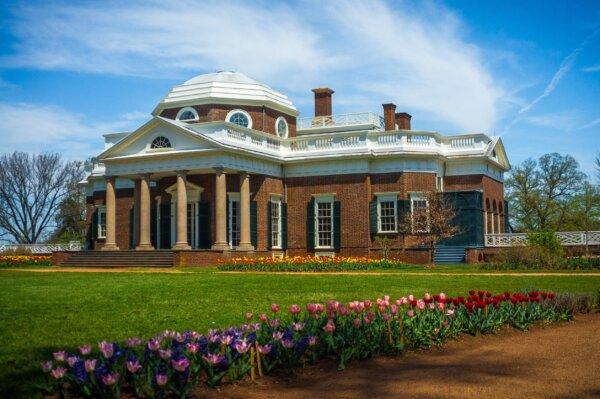
Only after Jefferson had left the White House and returned to Monticello was this breach repaired, largely through the efforts of Benjamin Rush. The 15-year correspondence from 1811 until their deaths is a treasure box of their thoughts. An anonymous author at Monticello.org observes:
“This reconciliation began a rich correspondence that touched on myriad topics, from reminiscences about their contributions to the young nation’s history, to opinions on current political issues, to matters of philosophy and religion, to issues of aging. Their letters were also lighthearted and filled with affection.”
An American Phenomenon
In the introduction to his recent book “A Journey North: Jefferson, Madison, and & the Forging of a Friendship,” Louis P. Masur writes, “There is no friendship like theirs in American history, certainly not in political history.”Their greatest accomplishments run parallel to each other. Posterity regards Jefferson as the father of the Declaration of Independence and James Madison (1751–1836) as the father of the Constitution. Jefferson served for eight years as the third U.S. president (1801–1809); Madison held office for an identical length of time (1809–1817). Madison played a key role in the passage of Jefferson’s Virginia Statute for Establishing Religious Freedom, and both helped found the University of Virginia.
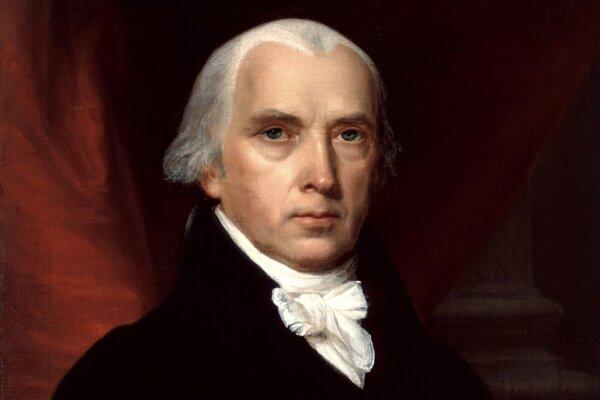
Yet they forged a friendship that endured for half a century.
State politics from 1776 to 1782 put Jefferson and Madison in Williamsburg and in almost daily contact. In January 1783, Jefferson was in Philadelphia waiting to enter diplomatic service in France. He and Madison stayed in the same boardinghouse, where Jefferson acted as an ultimately unsuccessful matchmaker between Madison and Kitty Floyd, daughter of a New York congressman. When Jefferson returned from France, the next 25 years drew the two men even closer together by their politics and shared personal interests.
Books and reading, which had first drawn this odd couple together, remained a centerpiece of their conversation. Interests in liberty and government, the natural sciences, and agriculture further cemented the relationship. The creation of the University of Virginia also invited their creative energies away from the world of federal politics.
Some Lessons for Us
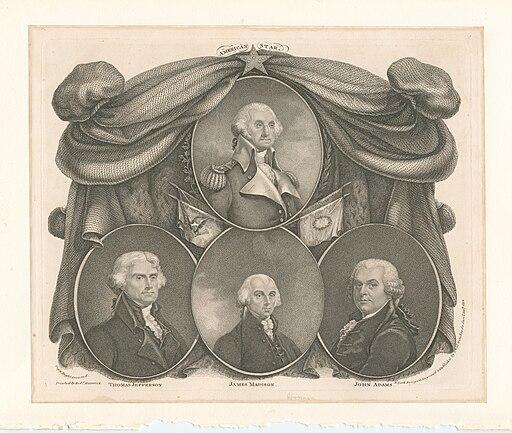
Jefferson’s life reveals the threads that make friendship work. In each of the cases mentioned, for instance, a common interest in books, reading, and ideas formed the initial pathways toward friendship. The devotion shown to Dabney Carr, and which Madison showed to Jefferson, was not a false or grandiose salute to a departed friend, but a sincere sign of harmony and love. The ruptured friendship of Adams and Jefferson and its subsequent restoration tells us that personal relationships we might deem dead may still possess the breath of life. Here were two men who, though separated by a mountain of differences, restored and preserved a friendship they regarded as more valuable than politics.
In a May 1820 letter, Jefferson observed that “wherever I have been, it has been my good fortune to meet with or make ardent and affectionate friends.” Because these friendships shaped and benefited the early years of the American republic, the rest of us have shared in Jefferson’s good fortune as well.