When a miller dies, he bequeaths a gift to each of his sons. The eldest gets the mill, the second eldest gets the donkey, and the youngest receives a cat.
Seeing his brothers’ larger gifts, the youngest son feels unhappy at receiving only a cat. He says to himself: “My brothers ... may get their living handsomely enough by joining their stocks together; but for my part, when I have eaten up my cat, and made me a muff of his skin, I must die of hunger.”
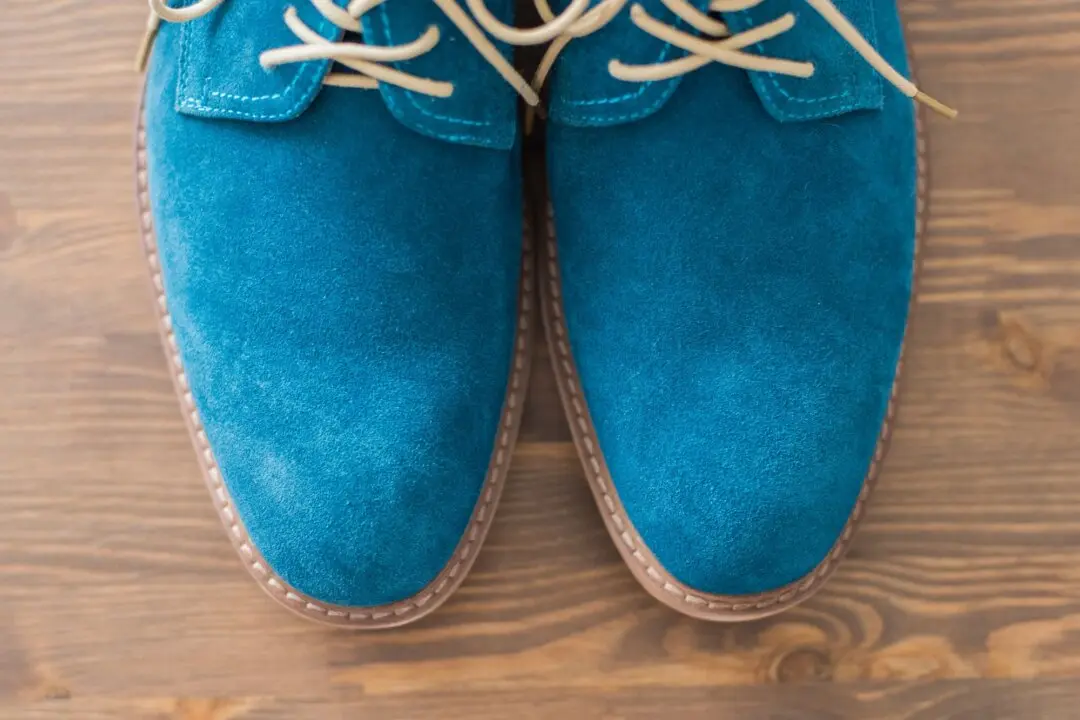
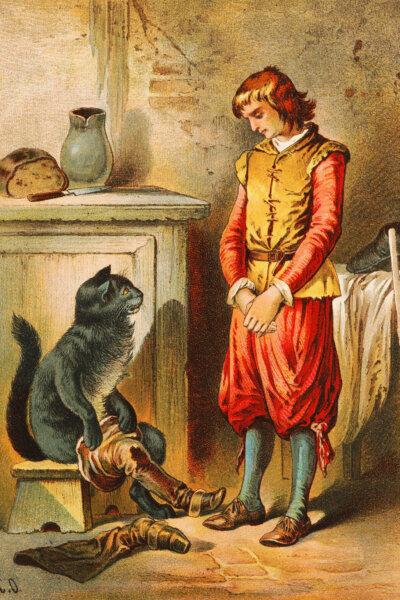
The cat hears his master’s woes and reassures him. If his master will only give him a bag and a pair of boots, the cat will show him that he has, in fact, received a worthy gift. With nothing else to lose, the young man gives the cat what he wants.
Spirit Over Stature
Having fitted himself with his boots, the cat heads into the forest with his bag full of herbs, which he lays on the ground. A little while later, a young rabbit crawls into the bag after the herbs and the cat quickly closes the bag.He then takes his catch to the king, saying: “‘I have brought you, sir, a rabbit of the warren, which my noble lord the Marquis of Carabas’ (for that [is] the title which puss [is] pleased to give his master) ’has commanded me to present to your majesty from him.'” The king is highly pleased with the rabbit and thanks the cat and his master for the gift.
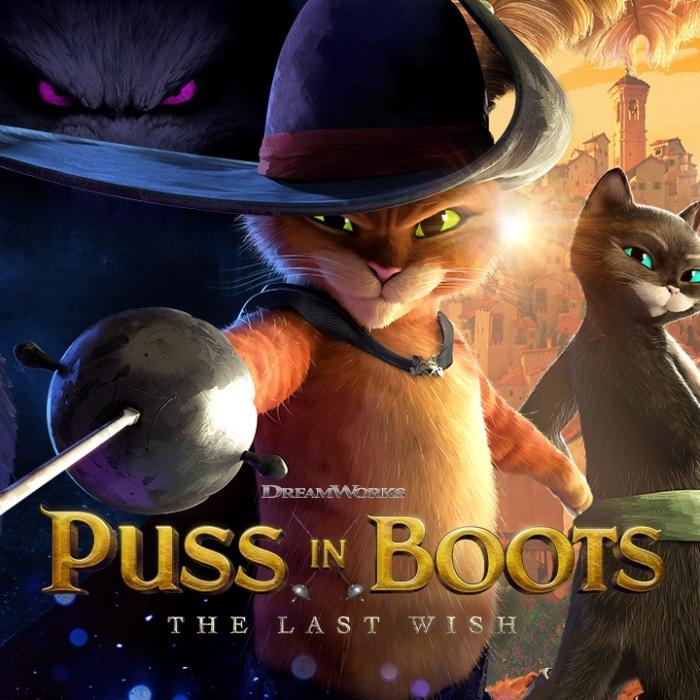
This success with the king spurs the cat on to other deeds. For a few months, he continues to give the king his catch. He includes his compliments from the Marquis of Carabas, thus building a name for his master and simultaneously impressing the king.
Finally, upon hearing that the king and his beautiful daughter will go for a drive, the cat concocts a plan to introduce his master to the king. He tells his master to bathe in the river at the time when the king will be passing.
The cat then hides his master’s clothes and calls out to the king: “Help! help! My Lord Marquis of Carabas is going to be drowned.” The king immediately sends some of his men to save the marquis and provide him with a pair of his own clothes. Thus, richly appareled, the miller’s youngest son joins the king and his daughter in their ride.
Having already placed his master in such good standing with the king, the cat heads out before the carriage to bolster his master’s reputation even more.
Through this fairy tale, children can come to understand that good things come in small packages. In some cases, like the booted cat, the smallest gift carries the biggest heart and character of them all. When choosing gifts, children can learn to look for and choose that which is meaningful over what is large and flashy.