A People’s Poet
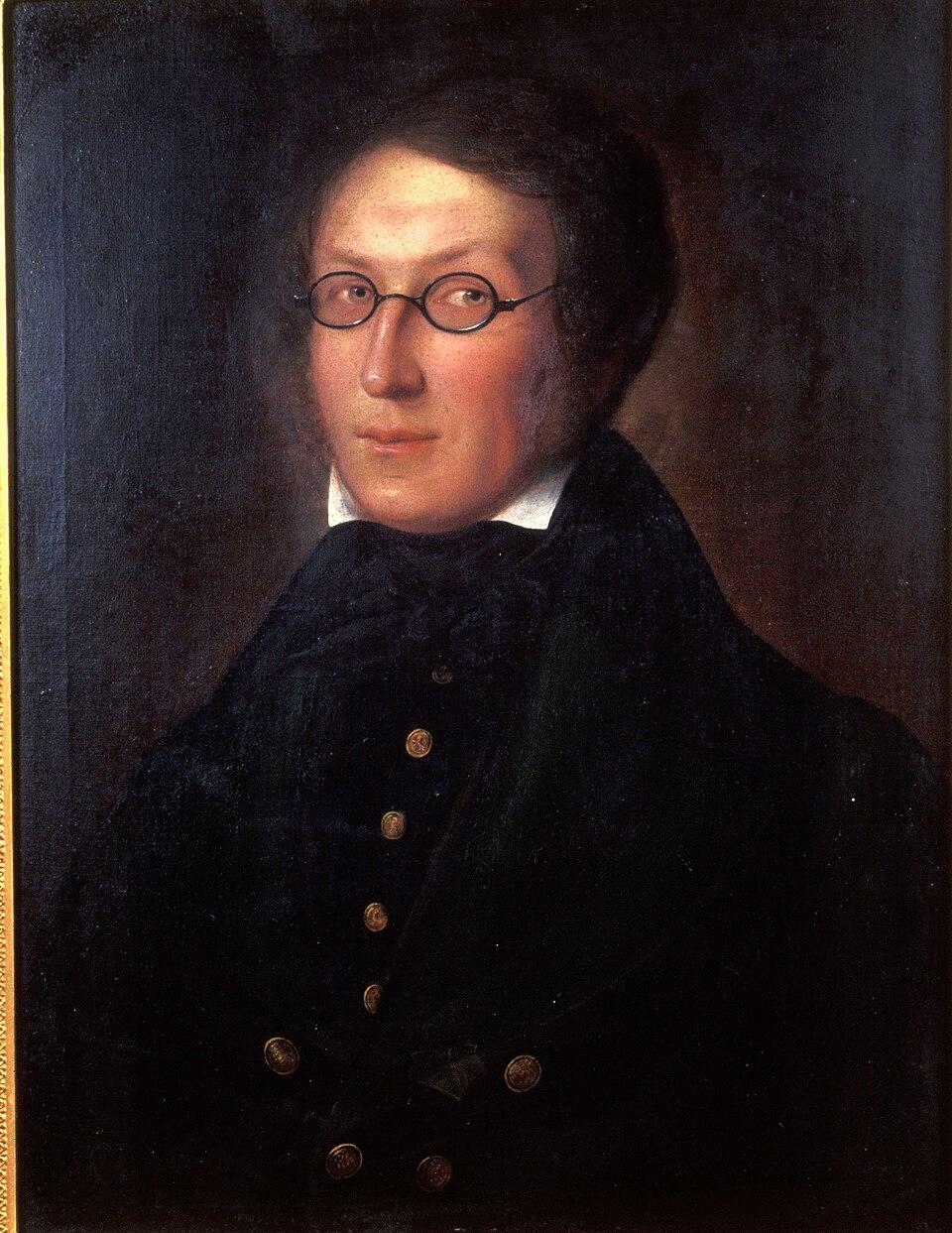
Child tells of a poet named Henrik Wergeland (1808–1845), who lived in Norway. He was one of Norway’s most talented poets whom the people loved immensely. In return, he loved his people and “wrote a great number of verses for the peasantry, in all the peculiar dialects of their various districts.”What made Wergeland so special was his love of nature. He wrote poetry that seemed to bring the very nature that he wrote about to life. His writing lends life and personality to nature, personifying, for example, the waves and granting them feelings of vengeance and anger.
A Persistent Voice
However, Wergeland died in middle age. Yet, even as he lay in wait for death, continued to write wonderful poems that called forth the beauty of nature.Plead with the Maker of the rain! That he will chilling showers restrain; And my poor breast no longer feel Sharp needle-points of frosty steel.
He tells of how he loves spring the best and begs that it may remember him as he lay dying and intercede for him.Sweet flower! before thy reign is o’er, I shall be gone, to return no more
...
Open the window, and raise me up! My last glance must rest on her golden cup. My soul will kiss her, as it passes by And wave farewell from the distant sky.
Though he faced death, Wergeland didn’t grieve over the material things he was losing. Rather he turned and addressed the beauty around him. In that moment, he remembered the friendly flowers that had kept him company throughout the years.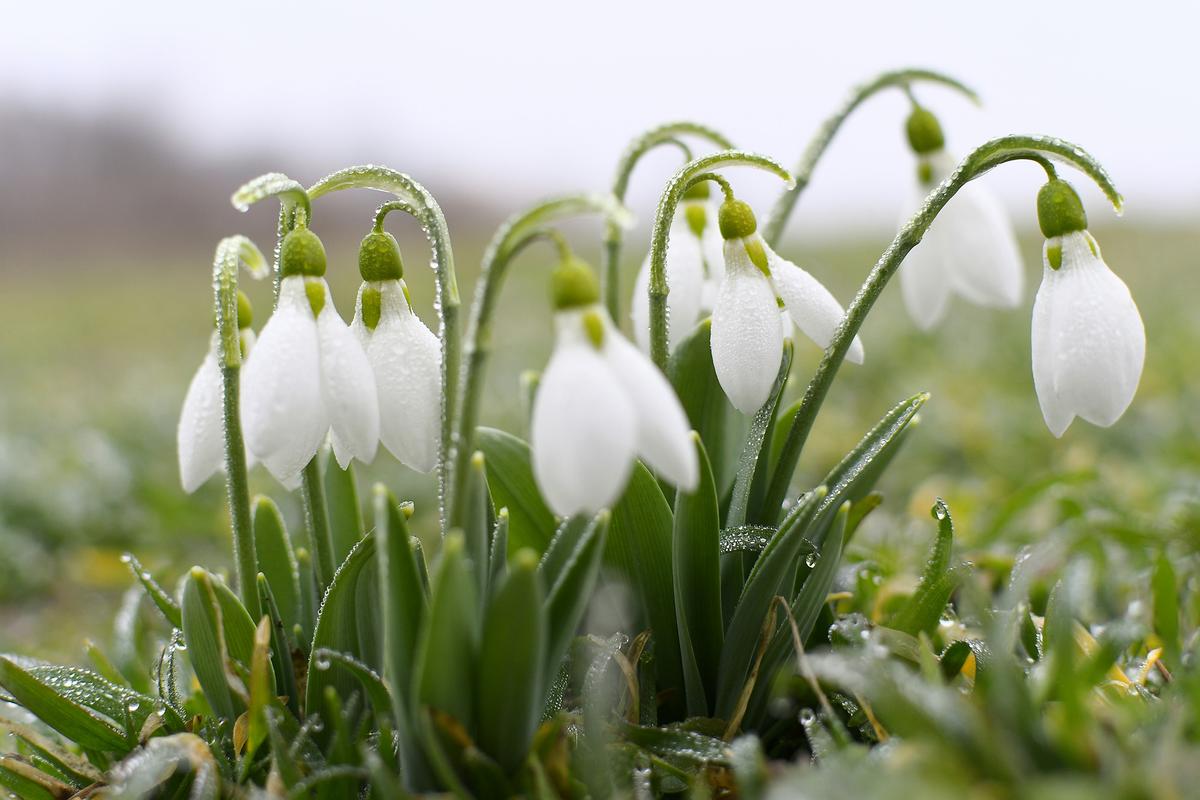
Through this story, Child presents Wergeland as a worthy poet who sought nature and its beauty over the world’s materialism. Even in death, Child shows, Wergeland’s persistent voice carried across the centuries, bidding readers to look outside at the wondrous nature around them.
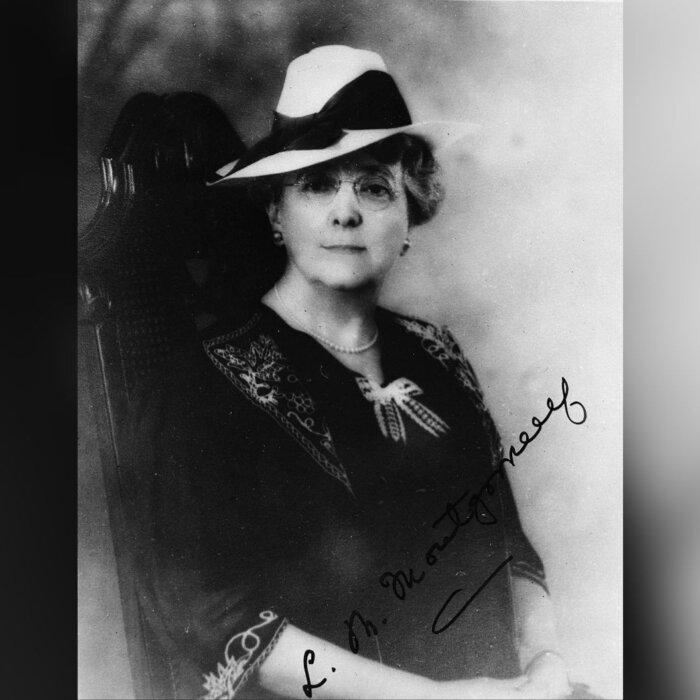
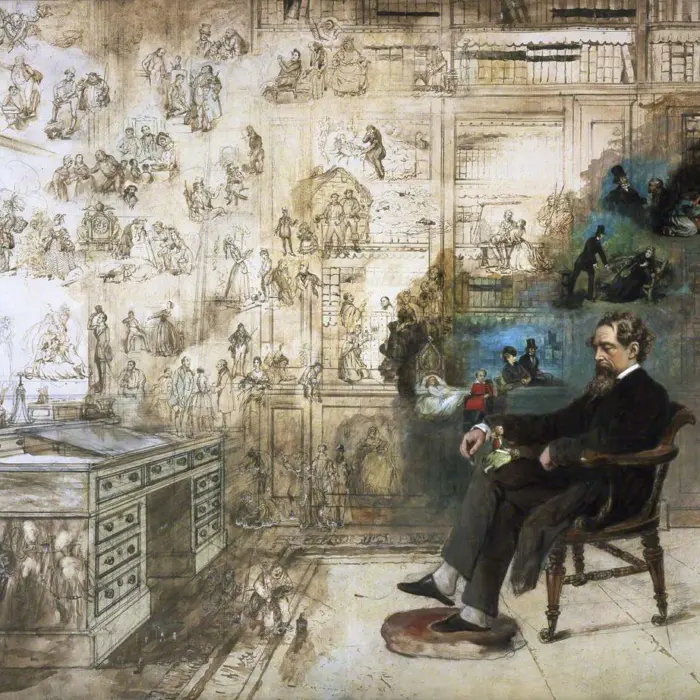
Child demonstrates, as L.M. Montgomery wrote in “The Story Girl”: “The world calls them its singers and poets and artists and story-tellers; but they are just people who have never forgotten the way to fairyland.” Poets serve as the guides that remind people of the beauty and magic in the world around them.
Thus, in a busy, materialistic world, poets and writers awaken people’s love and desire for nature. Through nature, they harken back to the true, the good, and the beautiful.