Andrew Lang’s Fairy Tale ‘The Water-Lily. The Gold-Spinners’

Helping others benefits oneself as seen in this fairy tale.
Andrew Lang’s Fairy Tale ‘The Water-Lily. The Gold-Spinners’
A young lady becomes a water-lily in this fairy tale. Yashkin Ilya/Shutterstock
|Updated:
0:00
In the fairy tale “The Water-Lily. The Gold-Spinners,” Andrew Lang emphasizes the importance of acknowledging, remembering, and honoring those who provide help when needed.

Finding and Losing Love

While hunting in the forest, a young prince is separated from his hunting party and finds himself lost and alone. He wanders through the forest until he finds a hut, where three young maidens live and spin gold flax into yarn.

As he approaches the hut, the two eldest maidens hide inside. The old woman, who owns the hut and keeps the young maidens captive, forbade them from talking to any man lest their golden yarn lose its shine. Yet the youngest lets the young prince approach.

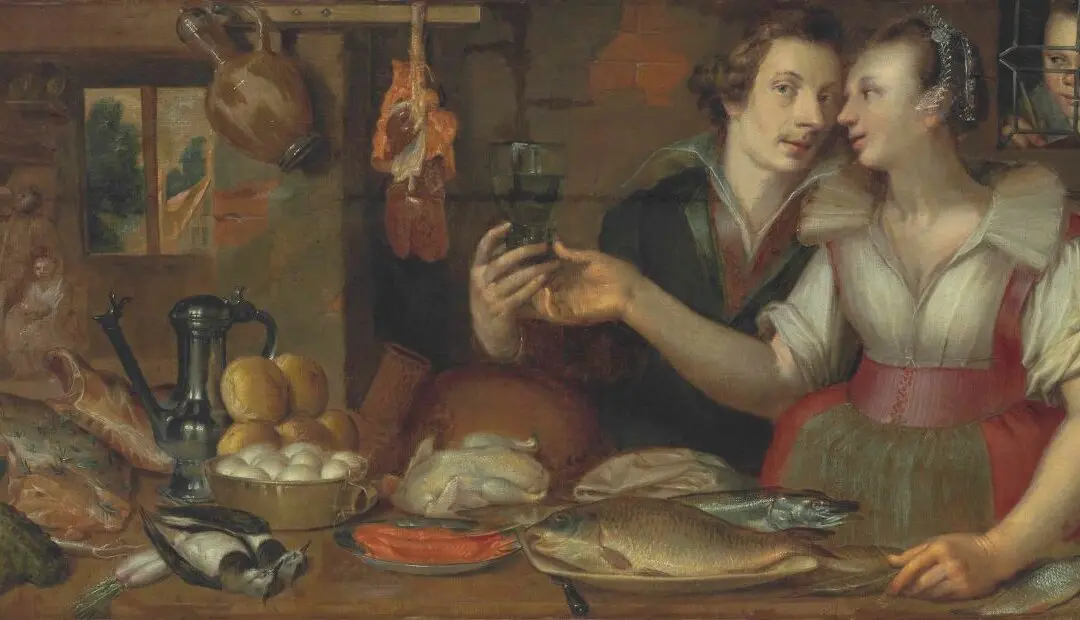
Soon he and the young maiden fall into the most pleasant discussions, enjoying each other’s company so much that they lose track of time. Three days later, “a regiment of cavalry and one of infantry” arrive looking for the prince. Having found him, they leave the three young maidens and return with him to the kingdom.

However, the youngest maiden soon discovers that her golden yarn has lost its sheen, just as the old woman warned. She mourns her loss and, when the old woman returns from her journey, she scolds the youngest maiden severely and forbids her from spinning any more.

The Water-Lily

Bitterly mourning her situation, the youngest maiden asks for the birds’ help to send word of her sorrowful situation to the prince. The prince receives this news and sets out to rescue his new love.

The prince returns to the hut with an armed troop, places the youngest maiden on his horse, and turns towards home. As they cross a bridge over a deep river, a fluffy ball sent by the old woman, who is actually an evil witch, spooks the horse. The horse rears in fright, sending the youngest maiden into the water below. The young prince tries rescue her, but his soldiers hold him back.

The prince falls ill, mourning his loss. Upon regaining his strength, he returns to the bridge where the youngest maiden fell. While on the bridge, he is astonished to hear a sorrowful voice singing:

 Alas! bewitched and all forsaken, ‘Tis I must lie for ever here!  My beloved no thought has taken To free his bride, that was so dear.

Startled by this song, the prince looks into the river, but only sees a yellow water-lily.

Kindness Magnifies Kindness

He ponders over the song and suddenly remembers the two other gold-spinners who lived with his beloved maiden. Quickly, he makes his way to their hut and tells them of the song and the yellow water-lily.

The two maidens assure him that the yellow water-lily is the youngest maiden transformed by the evil witch’s magic. They then promise to help him and, in doing so, ask him to remember them, so that he may help free them from the evil witch. The prince promises to remember their kindness once he wins back his beloved maiden.

Through this story, children learn that asking for help is an extremely brave thing to do. In turn, they must remember those friends who have helped them.

Kindness magnifies kindness, allowing goodness and beauty to thrive.

What arts and culture topics would you like us to cover? Please email ideas or feedback to [email protected]
Google LogoMark Us Preferred on Google
Kate Vidimos
Kate Vidimos
Author
Kate Vidimos holds a bachelor's in English from the liberal arts college at the University of Dallas and is currently working on finishing and illustrating a children’s book.