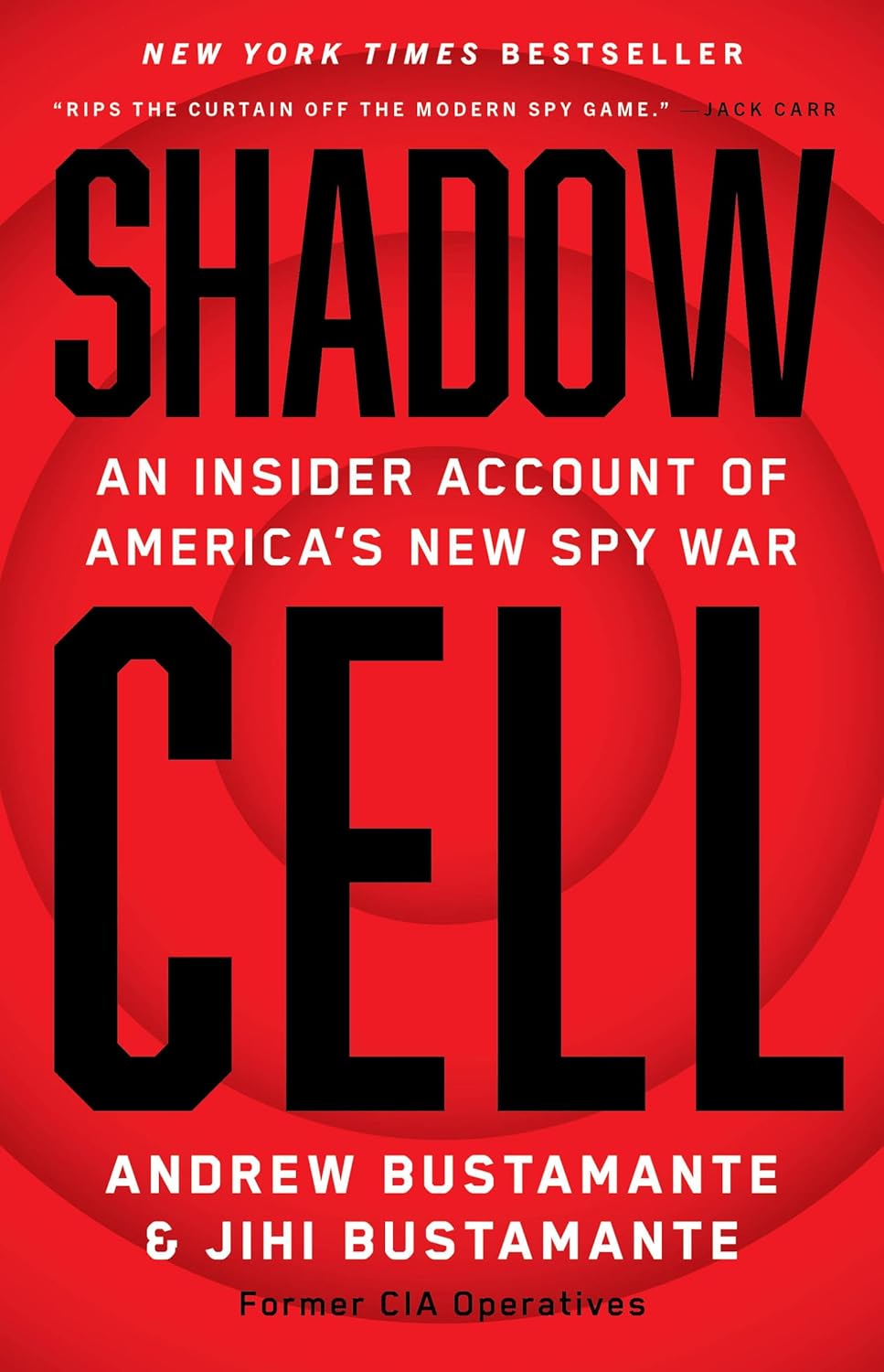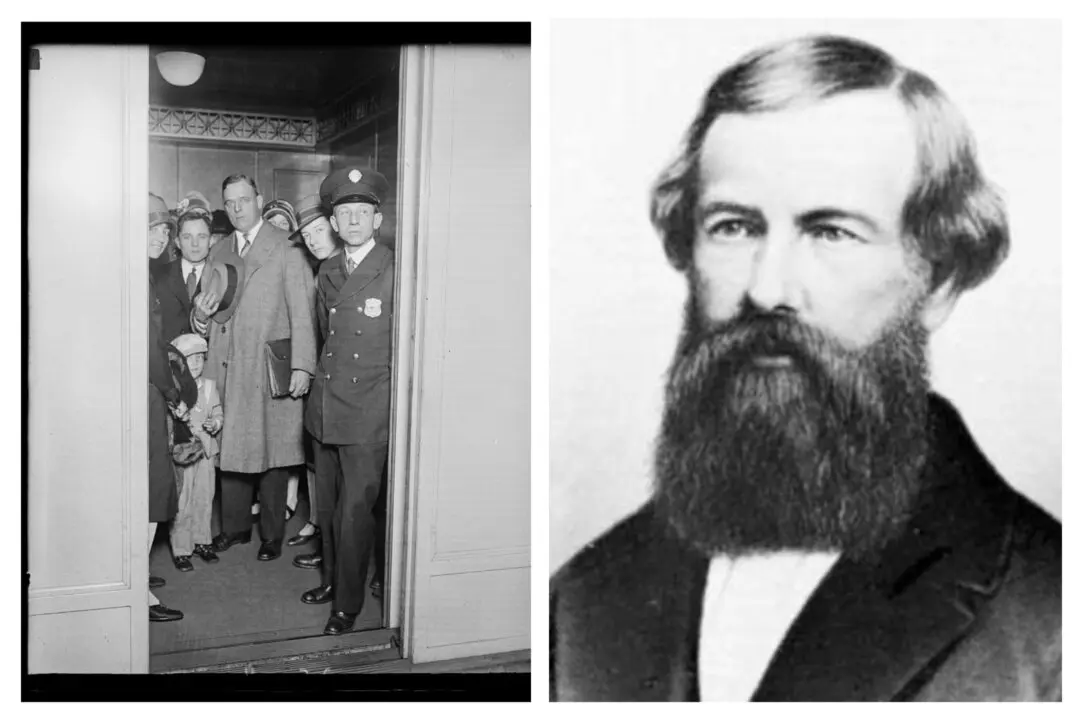
How does the modern American spy game work? A new book entitled “Shadow Cell: An Insider Account of America’s New Spy War” appears to give readers a pretty good blueprint.
Espionage is all about obtaining and retaining assets, that is, until they are no longer useful. This method, indeed part of the very foundation of espionage, has not been abandoned in this “new spy war,” but there has been an adjustment. Andrew and Jihi Bustamante, husband and wife and former CIA operatives, take readers on a memoir-esque journey through their entrance into the CIA where they met, fell in love, and got married; encouraged each other through career disappointments; were teamed up to institute innovative ways to infiltrate nations considered “hard targets;” and eventually resigned from the Agency.

The Mole Hunters
The CIA discovered it had a mole within one of its branches. The task to uncover this mole was given to the Bustamantes. In the book, they are both quite clear that this task was completely unexpected given that Andrew had failed to complete his Farm training to become a case officer (also known as secret agent). He had considered leaving the CIA after failing, but decided to take a position as a staff operations officer (SOO). He had aced all of his training except for the final “interrogation” phase—an apparent costly slipup that threw him in a period of depression. It is this failure, however, that opened the door for Andrew to step into this mole-hunter role.Creating the Cell
The Bustamantes note that this book, which is relatively short, took three years to complete, primarily because of CIA protocol on what information could and could not be released. The names of people and places have been changed, except, of course, for the authors. I speculated early that the “hard target” country must have been Russia, but then I speculated it could have very well been China … or Iran or a number of Middle Eastern or Eastern European nations. The nation itself, however, isn’t the object of consideration in this book really, but rather how this duo established a team to infiltrate the target’s intelligence apparatus. It did so by taking a page out of their enemy’s playbook: creating a terror cell.Of course this may raise alarm bells for the reader of this review, but the creation of this cell was not to implement terror, but rather to create a similar cell structure. The authors often refer to the search for Osama bin Laden and the primary reason he was so difficult to locate was because it was not a bureaucratic network, but rather an isolated cell, answerable only to itself. The capture and kill of bin Laden was made possible by a loose connection, but a connection nonetheless: bin Laden’s courier.
Informative and Intriguing
In their narrative, the Bustamantes discuss how contacts were made: from the “bump” to building trust to finally making requests. The authors also discuss theirs or their team members’ interactions with assets and how they developed or fell apart. “Shadow Cell” is not a dry, manual-like read. There is plenty of intrigue, especially when Andrew appears to have his cover blown. From his (and the others’) experiences, readers are shown how to study and ascertain targets; how to evade tails, as well as how to react to certain types of tails; the importance of keeping your cool in high-stress situations (i.e., don’t run!); and, most importantly, how hard work, dedication to one’s craft, and taking chances can create life-altering (indeed nation-altering) opportunities.
I thoroughly enjoyed reading this book. It reads like a classic spy novel—the ones without all the bells and whistles (things, like earpieces and tracking devices, the Bustamantes note are not even available, much less practical, for missions). Simultaneously, readers will learn so much about spycraft, which can be used in everyday life, too (hence the reason Andrew created EverydaySpy to teach those skills), and about how the CIA has innovated its intelligence-seeking and gathering methods based on the Bustamantes’ mission. It was one of those rare books I couldn’t put down.