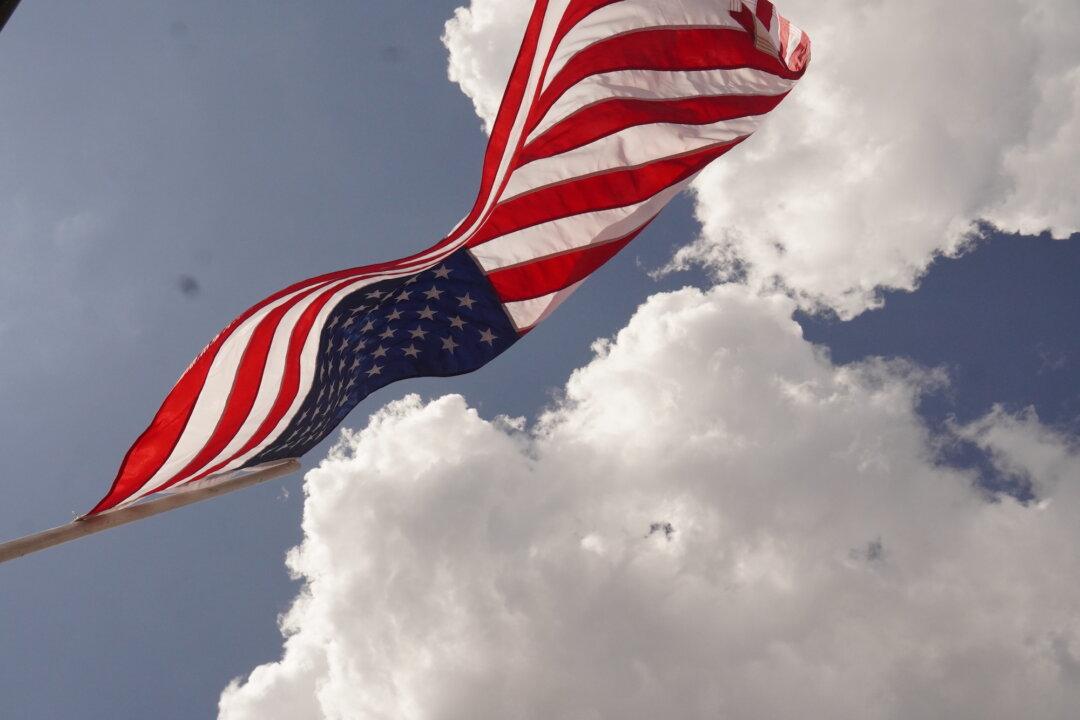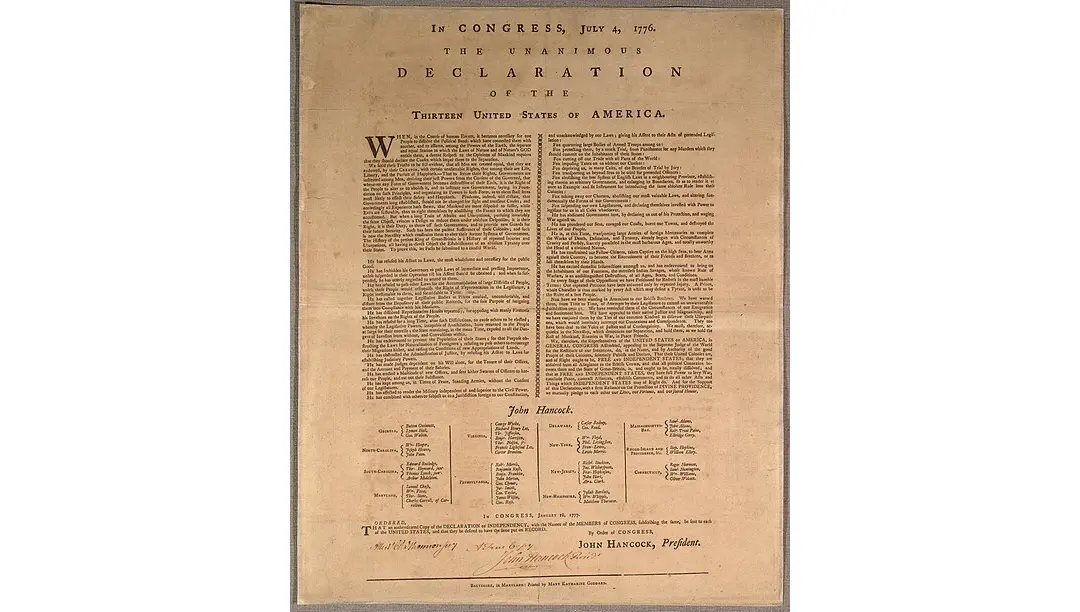
The speed at which America rose to premier global power is unprecedented. After it declared its independence in 1776 and won it officially in 1783, its self-confidence was firm, if not somewhat premature, as demonstrated by the results of the War of 1812. But between those two wars, the young country launched a small navy that dealt with a problem on the other side of the Atlantic—the Barbary states.
After learning from its errors in the War of 1812, the United States focused primarily on westward expansion, defeating Native American nations and the recently independent Mexicans. Independence, survival, and expansion became elements of America’s strategies of offense and defense. In his new book “To Dare Mighty Things: U.S. Defense Strategy Since the Revolution,” Michael O’Hanlon highlights America’s 250 years of evolving strategies.
Finding the Balance
O’Hanlon’s book is broken into eight chapters, though six of them form the crux of the work. They discuss the era of certain defense strategies for the nation: 1775–1815; 1815–1900; 1901–1945; the Cold War; Post-Cold War to the early 21st century; and the modern era that focuses on the current “Great Power Rivalry” against China and Russia.The author discusses the numerous strategies under the varied administrations. From massive military buildups, like during the World Wars and under the Reagan Administration, to economically friendly scale-downs, like during the early years of the Truman Administration, O’Hanlon presents the accompanying positives and negatives. From these opposites came problems from being either over or under prepared.
Finding the balance for American military preparedness never proved an easy task. The task today is not any easier. The reason for these difficulties, as explained by the author, is that the world—made up of allies and enemies—is ever changing. Threat levels fluctuate, leaving the country’s military in a state of flux.
Accurately calculating the future is an impossibility, but it doesn’t mean the Defense Department’s (or War Department’s) equations are always wrong. In fact, they have been right quite often, according to O’Hanlon. “To Dare Mighty Things” is not a critique of America’s multi-century efforts in defense strategy. He’s merely presenting the actions and their effects. Indeed, O’Hanlon has no need to critique—history has already done that.
A Greater Appreciation
Readers will gain a greater appreciation for just how well the country’s military has conducted itself, even at times of outright failure or slight miscalculation. The primary reason to appreciate America’s military responses are that the nation has typically pursued its defense (and even offense) along certain proper principles. Of course, readers could argue that the United States conducted inappropriate wars against the Native Americans or even that America instigated the Mexican-American War. O’Hanlon is right to point out such moments. But as mentioned, “To Dare Mighty Things” isn’t a critique. It’s a presentation of America’s decisions, doctrines, and the effects they had on the country and the world.O’Hanlon shines in his knowledge of American defense strategies over the course of 250 years. His attention to the details and his explanations of the inner workings of America’s defense apparatus demonstrates a life dedicated to knowing what the country has done and is doing, and why it has done it or is doing it.
“To Dare Mighty Things” is an impressive book that’s perfect for anyone wanting to learn about America’s defense strategies.
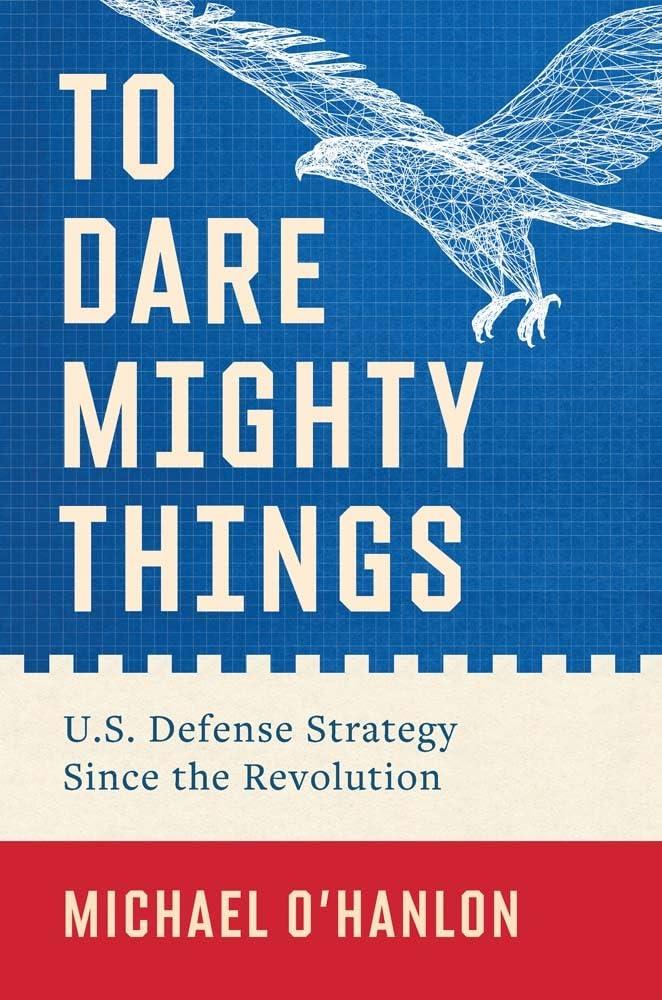
‘To Dare Mighty Things: U.S. Defense Strategy Since the Revolution’ By Michael O'Hanlon Yale University Press, Jan. 13, 2026 Hardcover, 352 pages
What arts and culture topics would you like us to cover? Please email ideas or feedback to [email protected]