Music is the soul of films. When the transition to sound transformed Hollywood in the late 1920s, a handful of composers demonstrated how effectively synchronized background music could accompany and highlight the drama and dialogue in talking pictures.
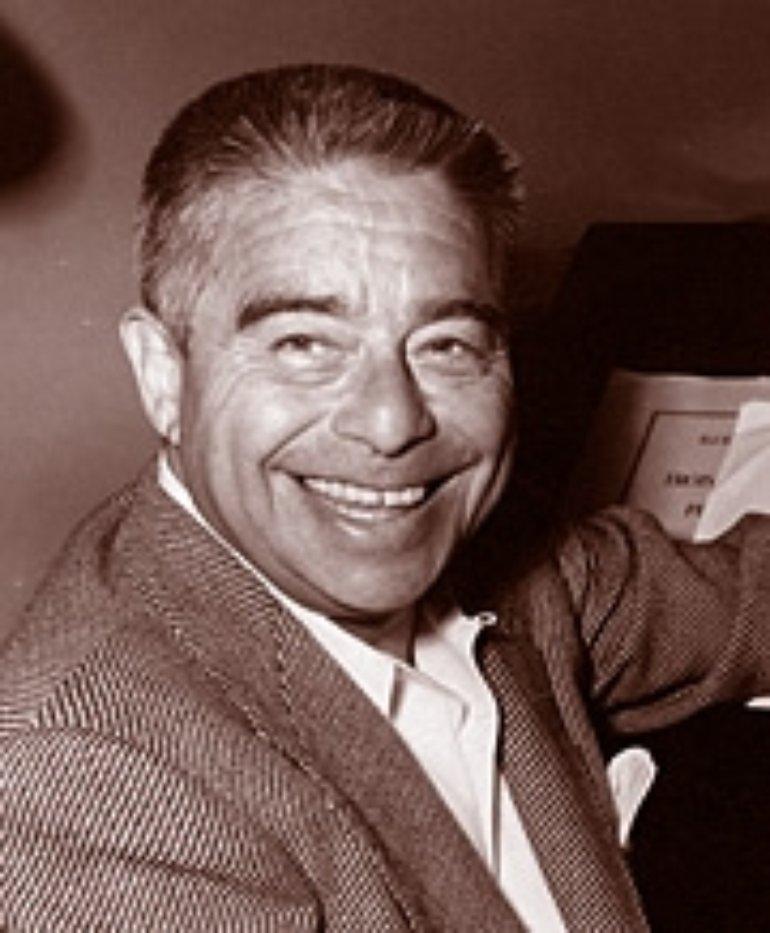
Certain composers became associated with individual studios as they worked there regularly. That particular composer’s sound would define that studio’s style and output. For 20th Century Fox (Fox), that composer was Alfred Newman.
New Studio
From the black-and-white Shirley Temple films to the first six “Star Wars” movies, that signature drumroll and trumpet fanfare tells you that a Fox film is about to begin. That distinctive cinematic introduction isn’t an excerpt from a symphony or an obscure Sousa march, however.Newman composed it in 1935 specifically as “The 20th Century Fox Fanfare.” That was the year that 20th Century Pictures merged with Fox Films.
Newman was general music director at 20th Century Pictures for two years before the merger, but it wasn’t the only studio for which he worked. Darryl F. Zanuck developed his company from a fledgling production unit at United Artists in the early 1930s. It became one of Hollywood’s Big Five Studios during the Golden Age of film.
The American Dream
Newman’s life was entirely dedicated to the making of music. He was the eldest of 10 children, born to a poor produce dealer and his wife in New Haven, Connecticut, in 1901. At age 6, he began taking piano lessons, and he immediately was recognized as a prodigy. He showed a great love for classical works, favoring the music of Beethoven and Chopin.
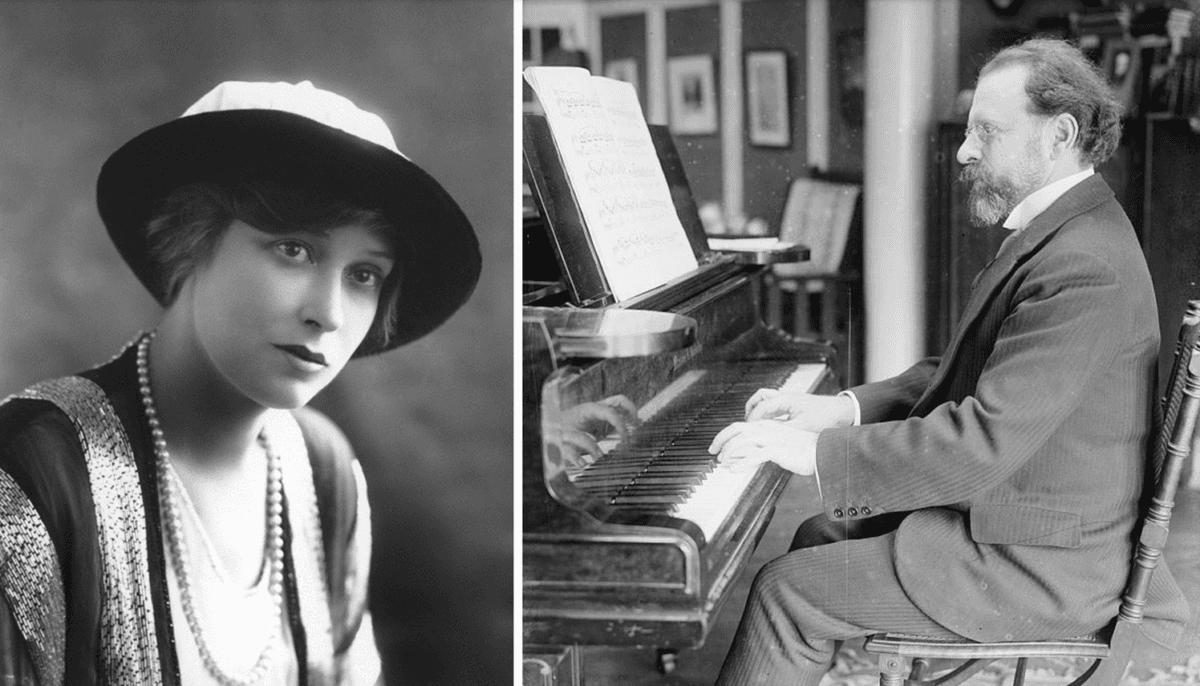
With the help of a local businessman, the 9-year-old auditioned for Polish pianist Sigismond Stojowski, who offered him a scholarship at the Von Ende School of Music in New York. He took the train there to study piano with Stojowski and the compositional tools of harmony and counterpoint with Rubin Goldmark and George Wedge.
By age 12, the young musician’s musical development had taken off. The Newman family relocated to New York; Newman supported his family as an accompanist and solo pianist at theaters, concerts, benefits, and restaurants.
When vaudeville star Grace La Rue heard 13-year-old Newman play, she hired him as her accompanist. Having the short adolescent accompany her became part of the act, and he frequently wore costumes as he was billed as “The Marvelous Boy Pianist.”
Broadway to Hollywood
During his impressive career at Fox, Newman wasn’t just a composer. He was the musical director for the whole studio. He orchestrated his own melodies, arranged other people’s compositions, suggested a few lines of melody to fellow composers who were struggling, and conducted the studio’s orchestra.These were all skills which he developed and honed during his early days on Broadway. There, he hobnobbed with musical greats before they were famous.
At age 17, Newman became Broadway’s youngest music director. In the 1920s, he conducted several hits by George Gershwin, who’d been his friend since the latter was just a music store song-plugger. He also befriended and conducted the works of American music legends Jerome Kern, Richard Rodgers and Lorenz Hart, and Irving Berlin. During this time, he contributed occasional songs to other musicals.
His friend Berlin was responsible for the greatest opportunity in Newman’s career. Berlin invited him to conduct the score he’d written for the 1930 film “Reaching for the Moon.” Berlin had a falling out with the director which led to most of his songs being cut.
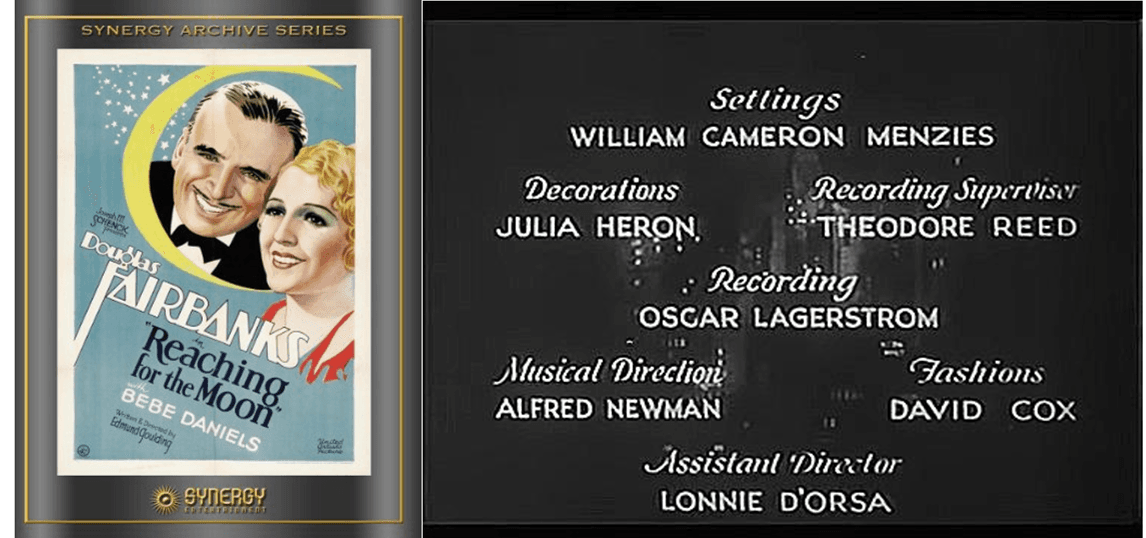
However, Newman remained on the production and received his first film credit as the film’s music director. Mogul Samuel Goldwyn recognized Newman’s talent and asked him to stay in Hollywood to write film scores. Newman, always eager to accept a big career opportunity, agreed.
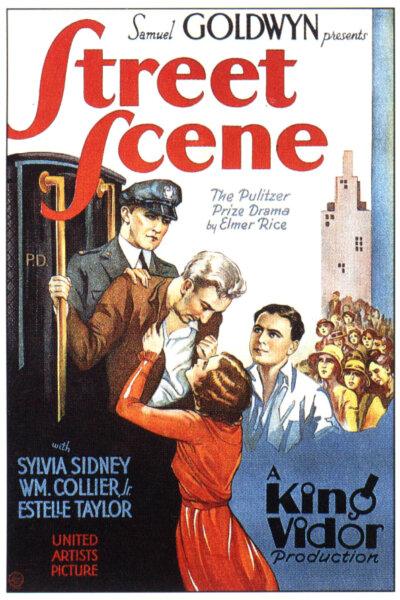
The first full film score he wrote was for the 1931 Goldwyn film “Street Scene.” The hauntingly bluesy theme, which blends sweeping classical strings with the modern sounds of popular American music in the 1930s, would be reused in seven later films.
Composer and Conductor
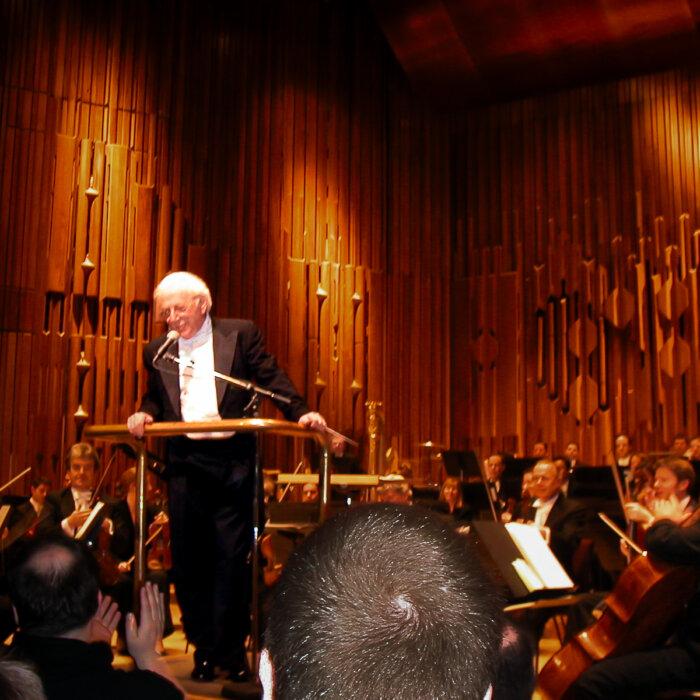
Newman’s skills as a conductor were so greatly admired that he has been called “the best conductor to ever wield a baton.” In one rare instance during his Broadway days, renowned conductor Fritz Reiner invited him to be guest conductor for a performance with the Cincinnati Symphony.Surprisingly, it wasn’t Newman’s dream to be an arranger or even a composer but a symphonic conductor. His remarkable success in Hollywood kept him too busy to realize that dream, but he frequently conducted the Fox orchestra behind the scenes.
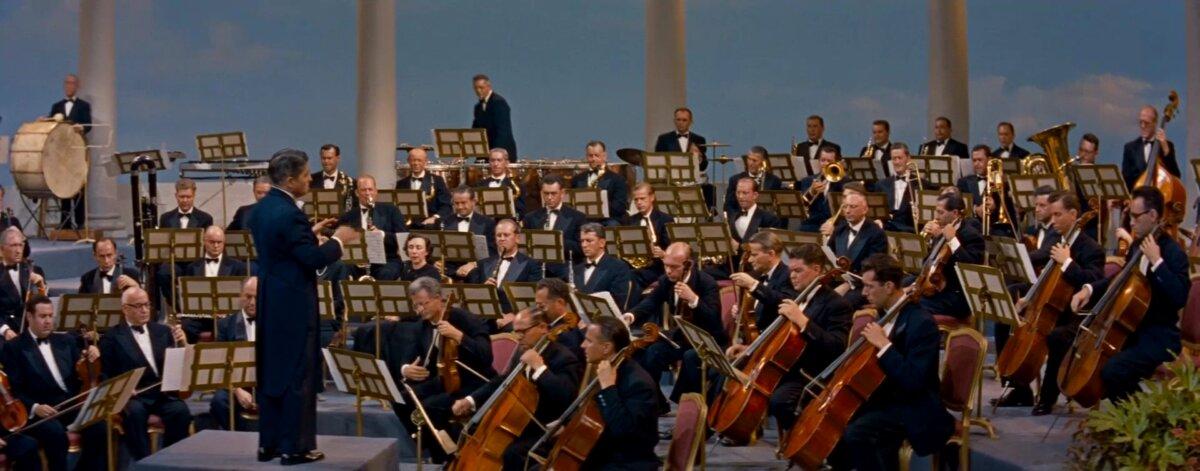
One rare occurrence when he got to wield his baton onscreen was a prelude to the 1953 Marilyn Monroe film “How to Marry a Millionaire.” He conducted the orchestra in a gorgeously sweeping arrangement of his “Street Scene” theme.
Alfred Newman is considered the patriarch of the Newman musical dynasty. He was head of a family of film musicians who have collectively received 92 Academy Award nominations in various music categories (more than any other family).
This talented family includes Newman’s two younger brothers, three children, nephew, grandnephew, granddaughter, and even his widow’s second husband. Alfred Newman is the most renowned member of the family. He received 45 Oscar nominations and won nine.
Only John Williams has broken his record for the most Oscar nominations for a composer and for Best Original Score. Coincidentally, Williams got his start working as a pianist for Newman on the production of “South Pacific” in 1958.
The nine films for which Newman won Best Musical Score demonstrate his diversity as a musician, since he executed different roles in these productions. Some of these scores featured adaptations of popular old songs, like “Tin Pan Alley” (1940) and Irving Berlin’s tunes in “Alexander’s Ragtime Band” (1938). Others were arrangements of other composers’ scores, like Rodgers and Hammerstein’s “The King and I” (1956) and Lerner and Loewe’s “Camelot” (1967). Two of his Oscars were for original scores, “The Song of Bernadette” (1943) and “Love Is a Many-Splendored Thing” (1955).
Through his own compositions and his work with other composers, Newman shaped the distinctly American genre of film scores. He’s considered one of the “three godfathers of film music” alongside immigrants Dimitri Tiomkin and Max Steiner.
He’s credited with paving the way for more adventurous film composers like Bernard Herrmann and David Raksin. He perfected the art of using recurring themes for individual characters, called “leit motifs” in classical music. He developed a technique for synchronizing the recording of a film score to the action onscreen. Called the Newman System in his honor, it’s still used today.
The next time you hear the stirring 20th Century Fox Fanfare, remember that this exciting theme is just one note in the exciting symphony which was Newman’s life.