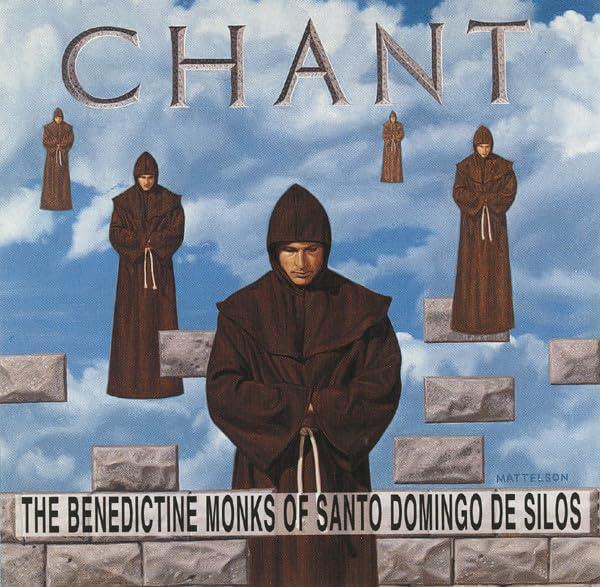
Gregorian chant is one of civilization’s oldest musical traditions. But an album titled “Chant,” released in the 1990s by the Benedictine Monks of the Santo Domingo de Silos in Spain, brought the ancient melody to contemporary times.
“Chant” became a surprise hit, selling over six million copies globally and climbing all the way to the top spot on Billboard’s Classical Albums chart. The record also placed third overall on Billboard’s 200 chart representing popular music.
Critics were stunned that an album of sacred music with historic ties to the Middle Ages ended up in the CD players of households across America. But in the waning years of the 20th century, with rapidly advancing technology and a new millennium on the horizon, listeners were looking for a melodic slow-down.
“The popularity of [Chant] is easy to explain,” wrote Joseph McLellan, music critic for the Washington Post.
A Poetic Essence
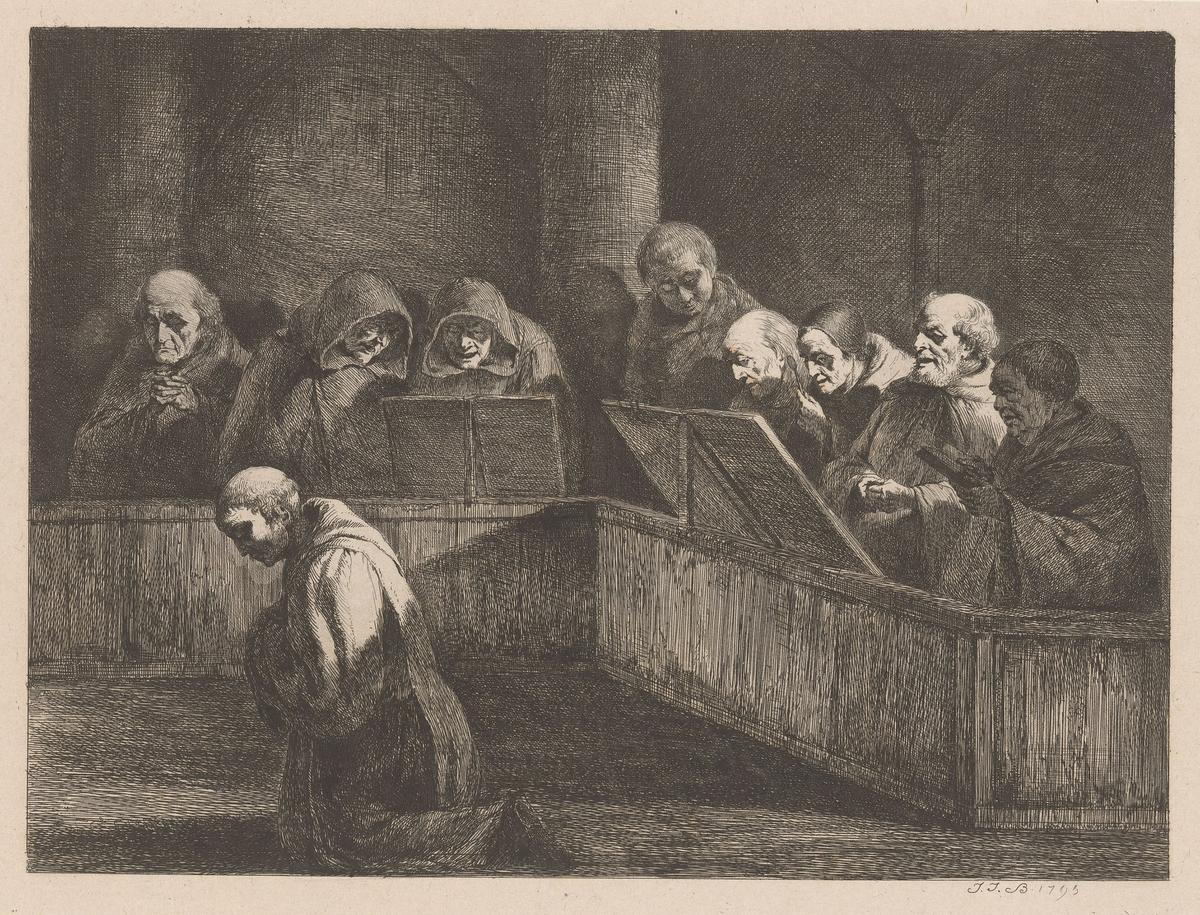
Gregorian chant, sung prayer performed in unison and often monophonically, meaning vocalists sing the same note, dates all the way back to the 9th century. It has long been an integral part of Catholicism’s history and was named in honor of Pope Gregory the Great. Traditionally, chants are sung a cappella and in Latin.
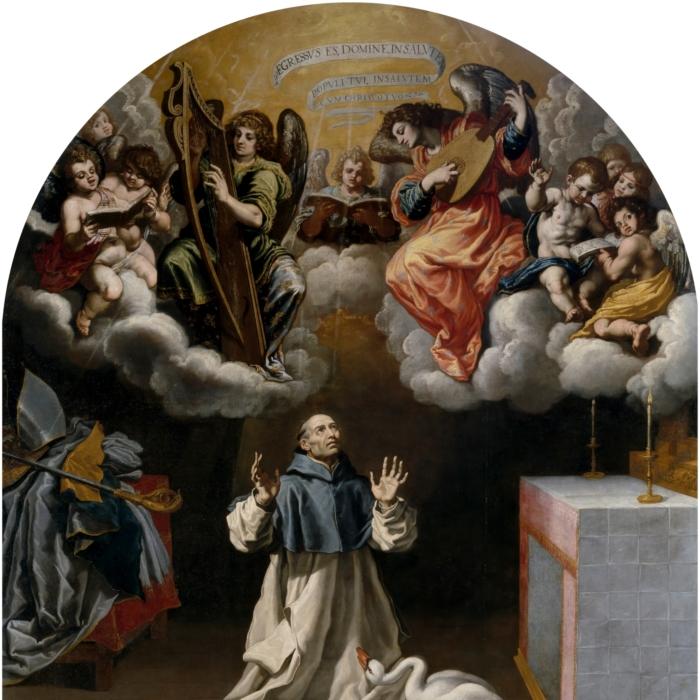
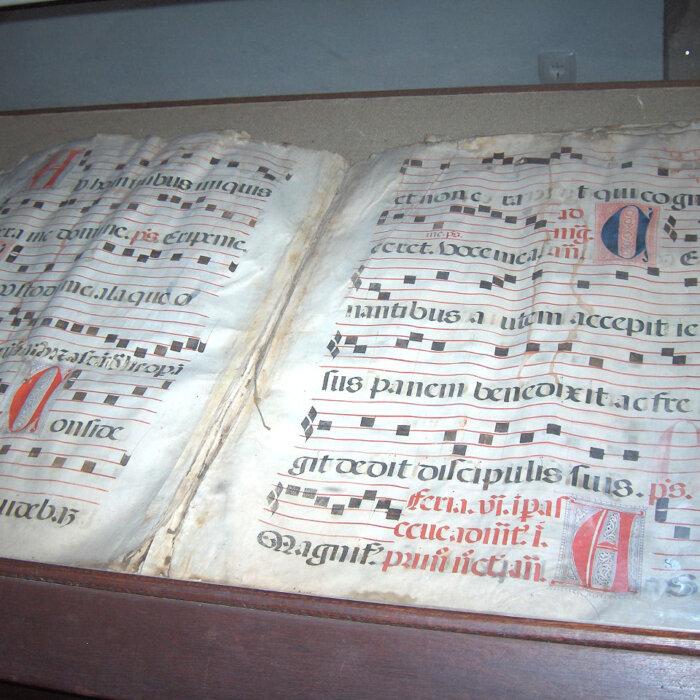
The melodic form of prayer creates a vibrant warmth, often drawing on baritones and voices in the middle range to bring out the spiritual magnitude of the compositions. The style has been described as having a poetic essence.
Thomas Stehle, director of music ministries at the Cathedral of St. Matthew the Apostle, referred to Gregorian chant as “poetry in music,” due to its push and pull of the “simple” and the “complex.”
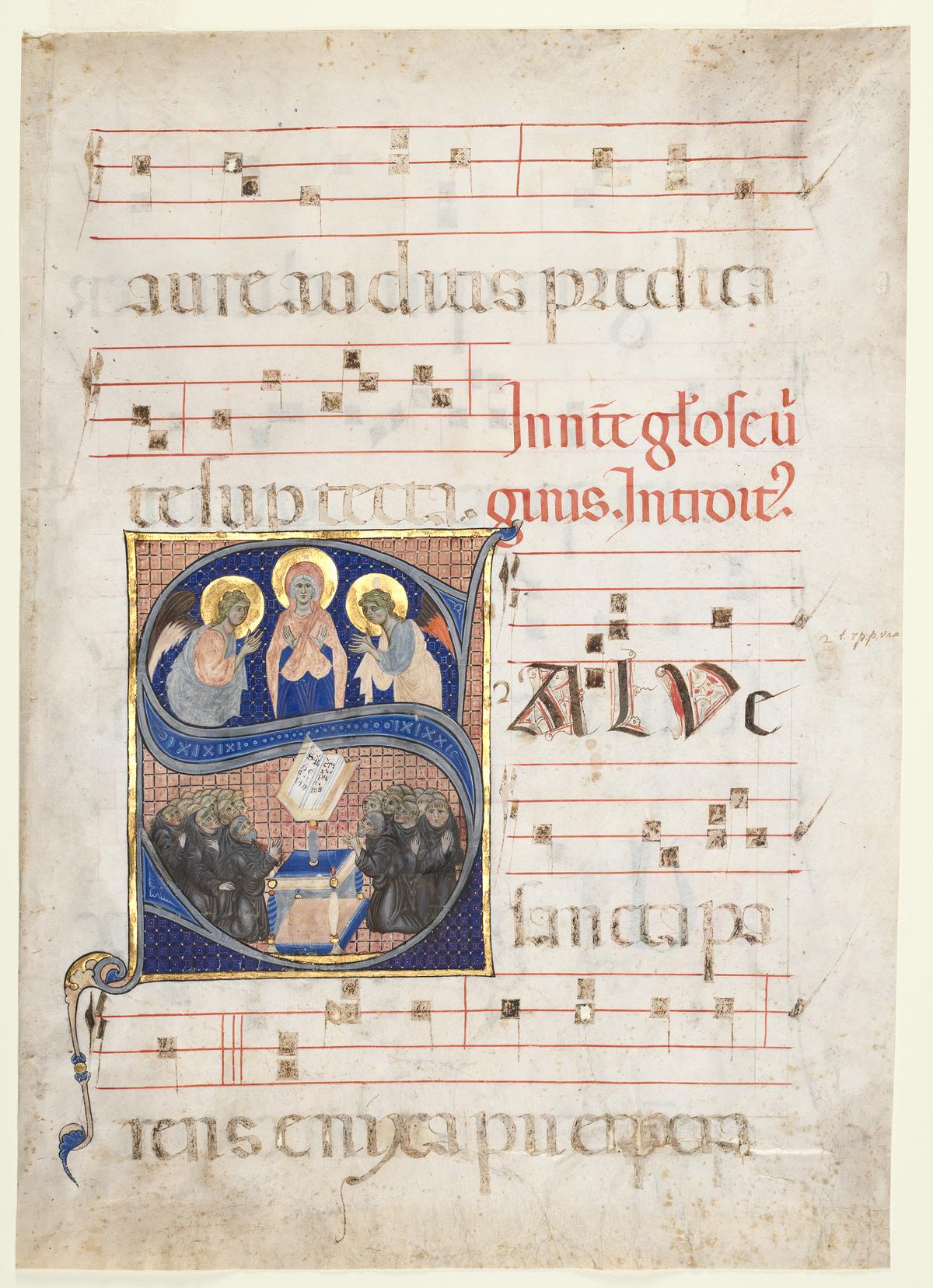
Aside from its expressive beauty, another reason Gregorian chant has become a preferred form of sacred music is because it’s accessible.
“Anybody can learn to sing some amount of Gregorian chant,” shared Timothy S. McDonnell, director of the Institute of Sacred Music at The Catholic University of America in Washington, with America Magazine.
“Gregorian chant can be incredibly advanced, complicated, involved and with a high level of artistic value,” he remarked. “At the same time, so much of its beauty resides in its simplicity and the fact that much of it can also be accessible to the congregation and by children.”
Some of history’s most important religious figures viewed pairing prayer with melody as a way to elevate spiritual presence.
Navigating International Stardom
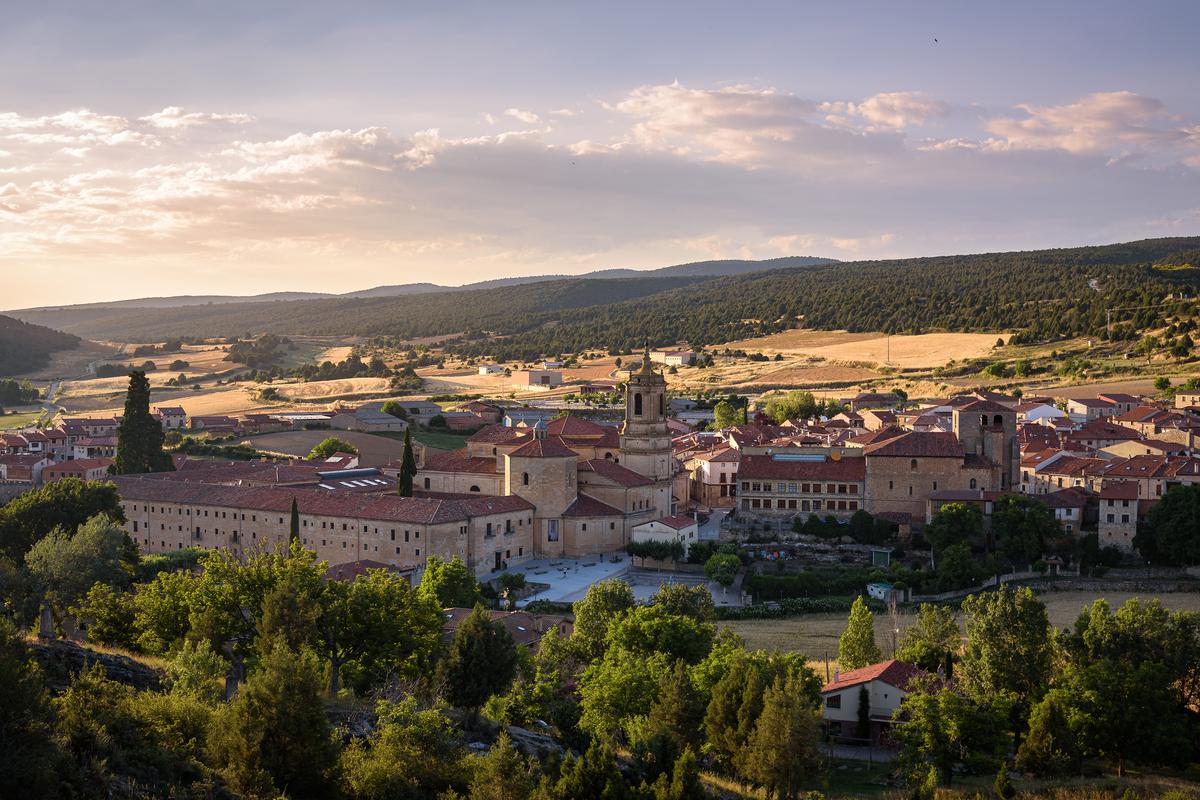
The Benedictine Monks of Santo Domingo de Silos made recordings throughout the 1970s at their monastery in Spain. The recordings were originally released on vinyl and remained in obscurity until 1994, when Angel Records reissued them as a compilation album. Suddenly, the Benedictine Monks found themselves navigating international stardom.
The album sold more than 2 million copies in the United States alone. The vocalists drew so much attention, fans of the album visited their monastery, making a steep trip on foot up a mountain to stay the night.
The group’s success was driven by the spiritual connection their melodic chants offered.
Ancient Music Sets Modern Record
While “Chant” is an album perfect for channeling spiritual stillness, the vocalists experienced spiritual challenge after its success.Demands of the Benedictine Monks prompted a public response from an anonymous spokesperson representing the group.
“You have to understand, we are monks, not rock stars.”
They did make a few media appearances, stopping by The Tonight Show with Jay Leno and Good Morning America following the success of the record in the mid-1990s. But soon, they bowed out of the spotlight and returned to their monastery in Spain—back to their responsibilities, which include daily prayer services, reading for spiritual enlightenment, and gardening.
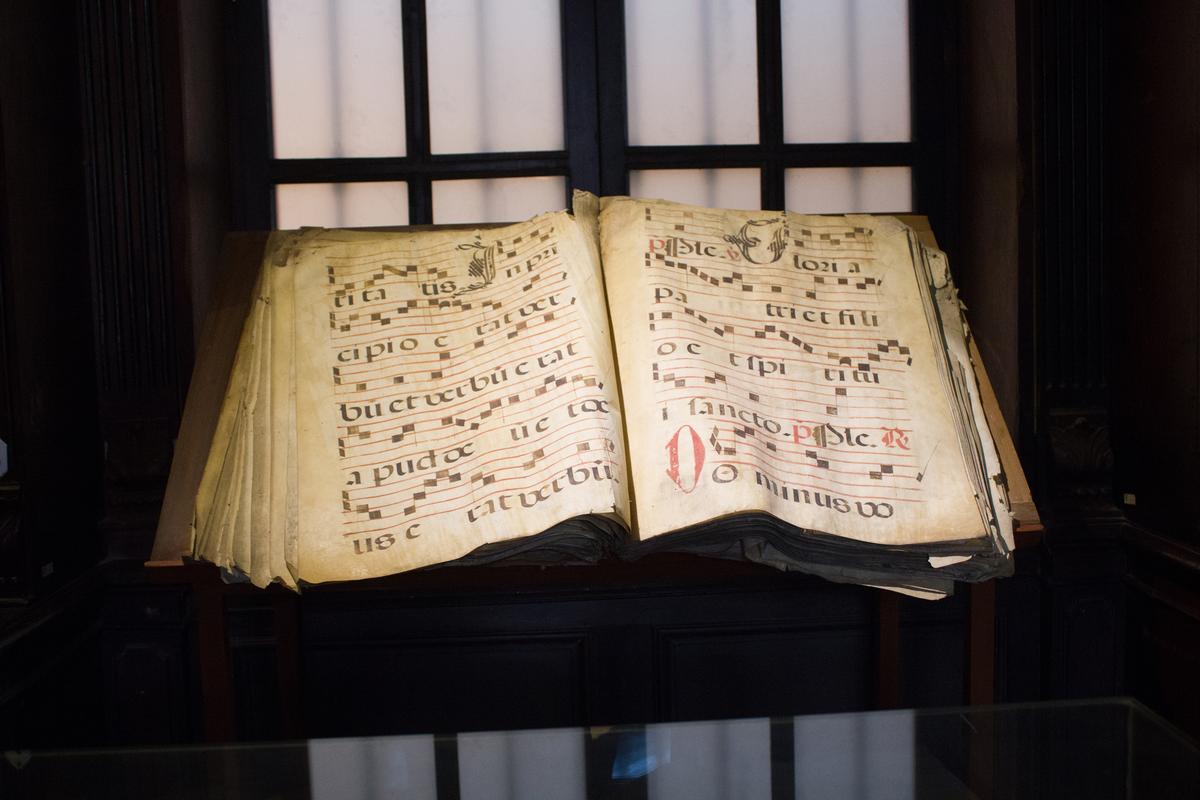
Though the monks’ time in the spotlight was voluntarily short-lived, their musical impact continues.
The “Chant” record by the Benedictine Monks of Santo Domingo de Silos remains the best-selling Gregorian chant album of all time.