During my last year of high school, my classmates often spoke about how much they couldn’t wait to graduate and move out of town. My big move happened a lot younger than 18, so I was more than happy to stay planted in sunny Florida. As anticipated, many of my friends left for college. What I didn’t expect was how many would come back. Some returned after a year. For others, it took a bit longer.
Moving back to one’s hometown, whether it’s because another state didn’t work out or some other context, is often viewed as a failure—a defeat. However, when friends returned to the Sunshine State to go to a local university or spend a year in the workforce before continuing their education, I viewed it as a victory—a hard-won lesson.
This coming-of-age story is a relatable one. It’s natural that young adults want to spread their wings and experience the world outside of where they grew up. That’s what happened to songwriter Mark Alan Springer when those growing pains kicked in. He turned the lessons he learned after leaving town for greener pastures into a hit country song.
A Challenging Question
Springer grew up on an Arkansas farm with his family. Though he loved working the land alongside his father and mother, he often wondered if there was more to life. He explores the gravity of this question in the opening lines of his stirring country tune. The first two verses feature a conversation between father and son, with the wide-eyed teen asking his dad a tough question.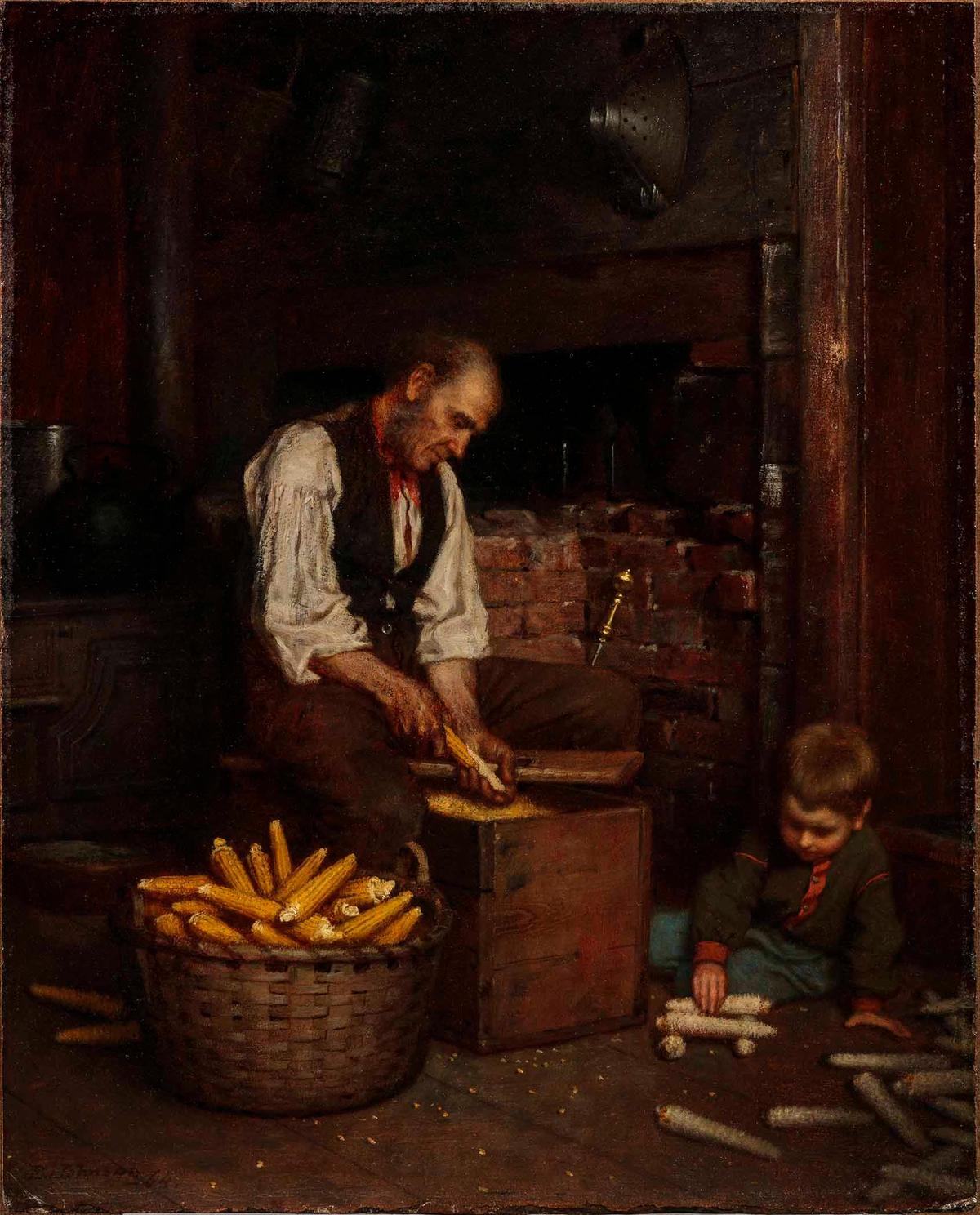
“Daddy, there’s a lot that I don’t know/ But don’t you ever dream about a life where corn don’t grow?”
Like any experienced parent, the father didn’t wince at his child’s challenging question. The stoic farmer simply pondered the question while “staring at his favorite coffee cup.”
The chorus highlights the father’s wisdom he shares with his son after the 17-year-old broached the topic.
“Hard times are real, there’s dusty fields no matter where you go/ You may change your mind ‘cause the weeds are high where corn don’t grow.”
‘A Father’s Tradition’
When Springer wrote “Where Corn Don’t Grow” with fellow songwriter Roger Murrah, they took an autobiographical approach with the song, making it mirror Springer’s life. When speaking with The Tennessean newspaper, he shared how at first, though he loved his family, their farming life didn’t necessarily agree with him.“We were row croppers,“ he said. ”I was raised on a farm, and we were a true family farm. ... They were long days. ... You always think you want to do something more in life, and I did. That was kind of what the song was about.”
Waylon Jennings first recorded the track for his 1990 album, “The Eagle.” But when Travis Tritt recorded his own version years later in 1996, the song took off, and many other versions would follow.
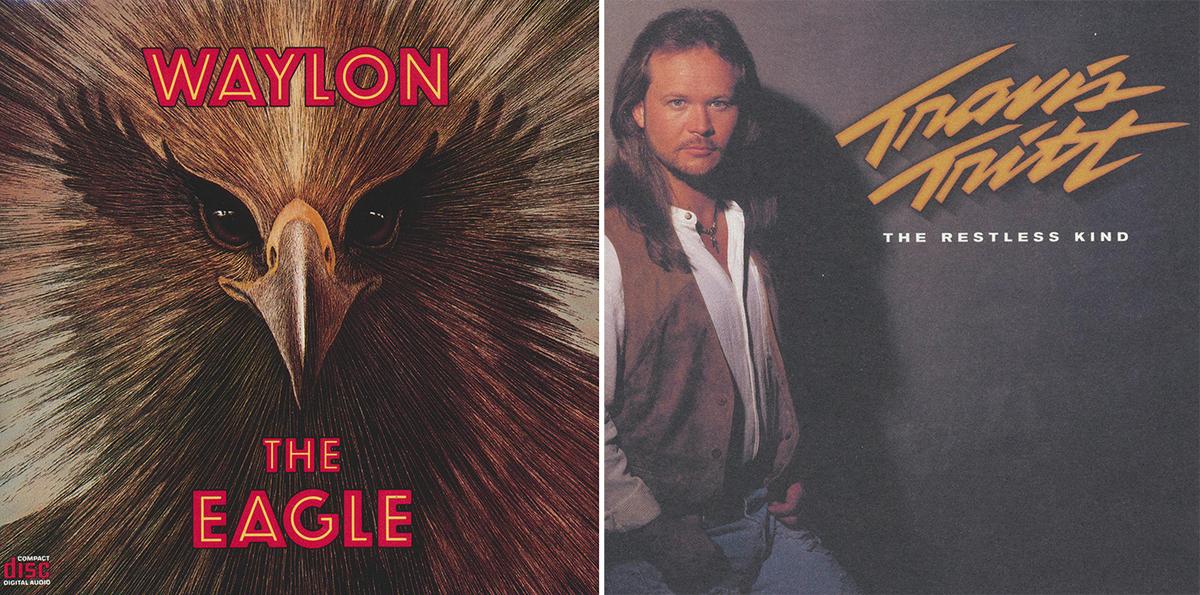
Tritt told music news site Wide Open Country that when he heard Jennings’s version of “Where Corn Don’t Grow,” it was love at first listen.
“I just fell in love with it right off the bat because of the fact that it was so relatable,” he said.
When Tritt’s rendition of the single broke into the Top 10 on Billboard’s Hot Country Songs chart, he spoke to many fans who felt like the song was written for them. While describing the song’s universal quality, the singer said:
“The prodigal son ... story where all you want to do is leave home and get away from home, and then after a certain period of time, you start realizing that home wasn’t so bad after all and you long for the opportunity to get back home,” he said.
“I know that story was certainly true for me, and I think it’s true for a lot of other people, too.”
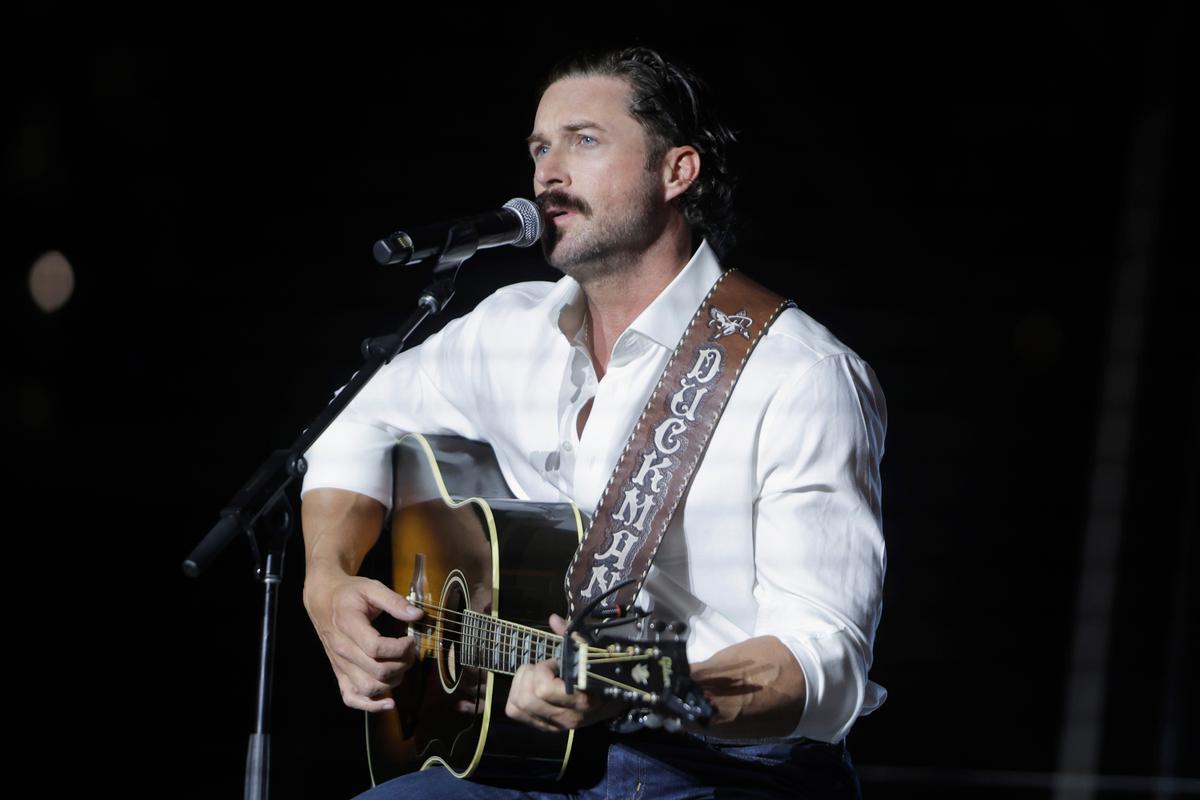
Country newcomer Riley Green’s 2021 cover brought the coming-of-age story back into the spotlight, something the singer was happy to help do because of the important message in the song. In a statement shared on music site The Country Note, Green said that he picked the 1990s country tune to record because it was one of his favorite songs growing up.
“And I love the message of a father’s tradition of how you grew up and not wanting to stray too far from that,” he said.
A Young Man Matures
In the bridge to the contemporary country standard, the spirited protagonist sings, “Ain’t it funny how a dream can turn around where corn don’t grow?”After spending time surrounded by concrete, he realizes that growing up among “dusty fields” wasn’t so bad after all. Springer later related the protagonist’s realization to his own life while speaking about the single, saying in hindsight that his childhood days spent on his family farm were some of his favorite moments.
“As you mature and go through life, you realize those were actually the good old days,“ he said. ”Maybe a little more difficult than some areas, but those are fond memories, and I think that’s what the song’s about, the maturing process of a young man that wants to do something else.”
‘The View From Above’
Though Springer ultimately returned home, the lessons he learned along the way as he explored life off his family farm proved invaluable. He applied what he learned to his songwriting, taking his craft to the next level.“I started really writing from the heart and my past, and the way I grew up,“ he said. ”That’s when I think country music, radio, and artists embraced what I did. That was a good lesson for me, to be who you are and be proud of that.”
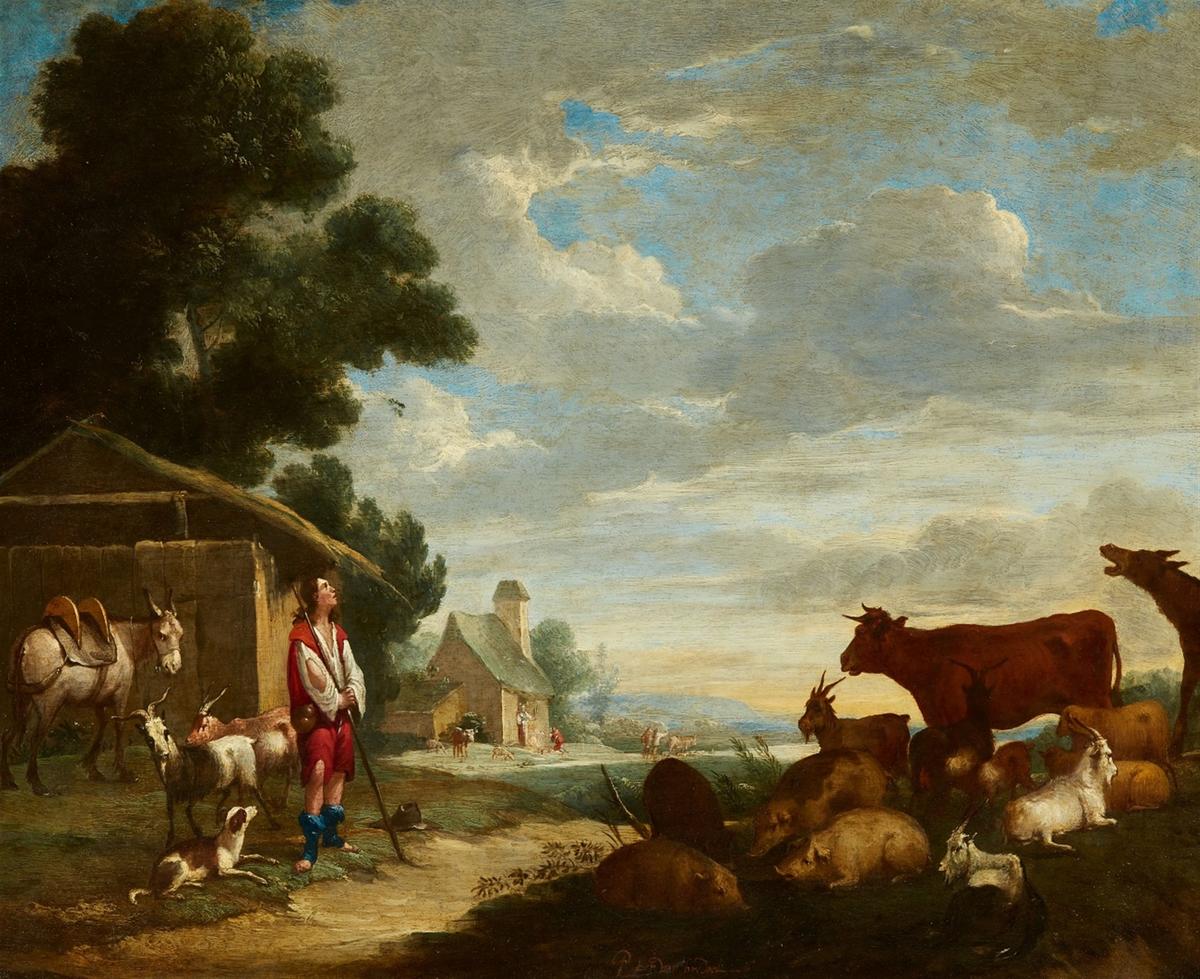
There’s a popular philosophical practice in Stoicism that offers help to those who feel they are too close to a problem. Many who write about Stoicism call it the “view from above,” and Stoics such as Roman Emperor Marcus Aurelius helped popularize the mental exercise.

By mentally envisioning ourselves above our world or our problems, we create emotional distance and can more easily put things into perspective. Just as the “view from above” can help with clear thinking and problem solving, taking a view from the outside by leaving the streets we were raised on can help cultivate an appreciation for our hometown.
Coming home, especially after a long absence, can cause you to realize home is exactly where you belong. Just as the song features a father, a family, and a farm waiting for the protagonist’s return, our roots can still be nourished no matter how long or how far we’ve strayed from them.
After you reconnect with your roots, the bond between your origins and your identity grows that much stronger.
Therein lies the victory.