Court jesters once entertained royalty by using humor and satire to amuse and provide social commentary that other members of the royal court couldn’t.
He unabashedly refers to his first book as “edutainment” that explores the contradictory dance between free expression and suppression. Schneider believes the former is under attack, and he aptly shows how the latter can erode into tyranny when empowered by censorship and cancel culture.
They Picked the Wrong Filipino
Schneider grew up in the San Francisco Bay area with parents of mixed-race backgrounds. His mother was half-Filipina and Catholic, his father an Eastern European Jew. He credits that upbringing with shaping his worldview, specifically that America is the greatest land of opportunity regardless of race or faith.It was optimistic statements like that, plus his public statements about desiring his kids to have similar opportunities as he'd had, that caused critics to pounce. He notes early in the book that he thought it funny that he was labeled a racist for portraying different nationalities in his film career.
“The woke media tried to label me a racist—which is funny, because to me I thought being able to play vastly different people than yourself in movies is what makes you a good actor,” he wrote.
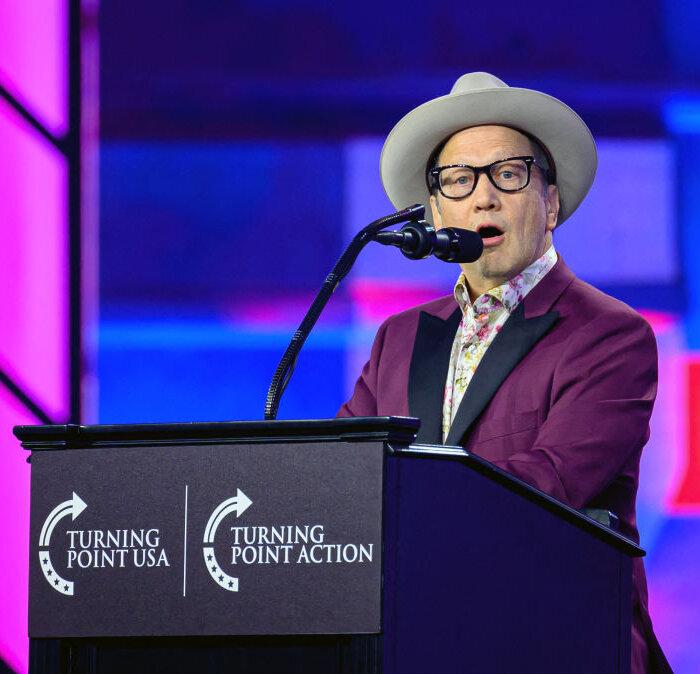
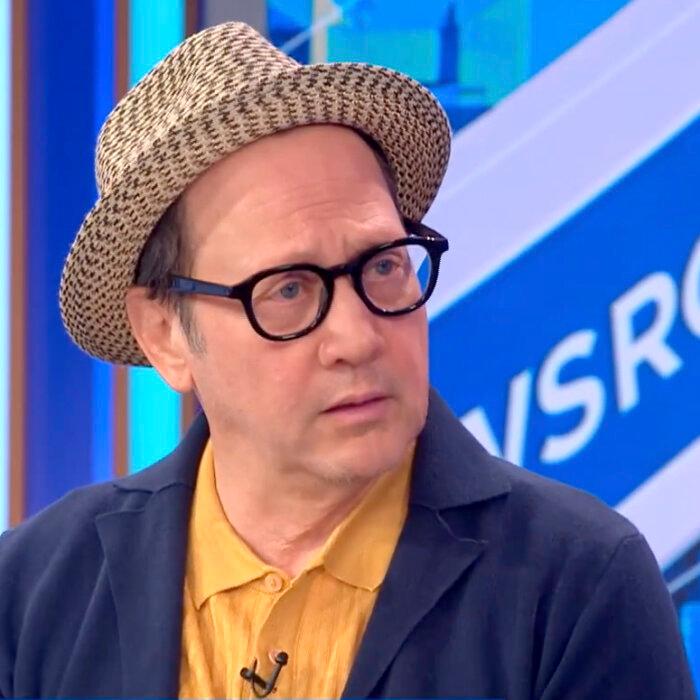
As a comedian, Schneider is used to pushing emotional boundaries, and he shows no qualms in doing the same as an author. He challenges those accusing him of hate speech on everything. This includes the COVID-19 shutdowns (the “scamdemic”), identity politics, climate change, campus bullies, and social justice.
Smart Dropout
Schneider jokingly references that he’s a junior college dropout, but he demonstrates an impressive intellect. Sandwiched between his central theme is the idea that free speech and open dialogue is the linchpin to a rich and robust society.The comedian consulted experts who have been canceled for contrary opinions on different controversial subjects, and his book includes 21 pages of footnotes. He writes about insightful historical precedents. He objects to the checkered record of vaccines over decades as well as the “settled science” of climate change.
He notes the woke groups use different identity categories than Mao used, but the process is the same. They claim a desire for unity in order to make society less polarized and contentious, criticize those elements who refuse to go along, then blame and punish them for the intended plan not working.
Cultural Checks and Balances
Schneider asserts that much of our culture is bizarre. He says academics, scientists, physicians, elected officials, and the judicial system have been compromised. He refers to those groups as traditional “speed bumps” who previously slowed cultural changes until they were properly explored.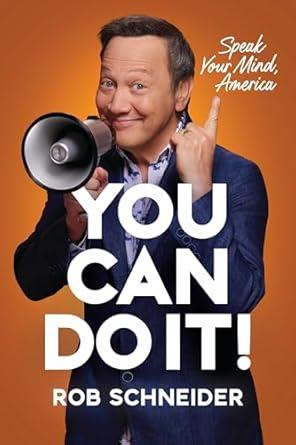
That’s why new speed bumps are needed. Schneider points to podcasters, independent medical professionals, canceled academics and, yes, even comedians, who are needed to fill the void. They are needed to speak up when conventional societal checkpoints have been removed.
Schneider emphasizes what happens if we lose the freedom to speak freely or if we self-censor and succumb to intimidation. He says this jeopardizes economic growth, government accountability, an informed and educated populace, social progress, innovation, and creativity.
“You Can Do It” is humorous, irreverent, and sometimes punctuated with coarse language. But it’s also a claxon call to boldly speak our minds or eventually forfeit the right to do so.