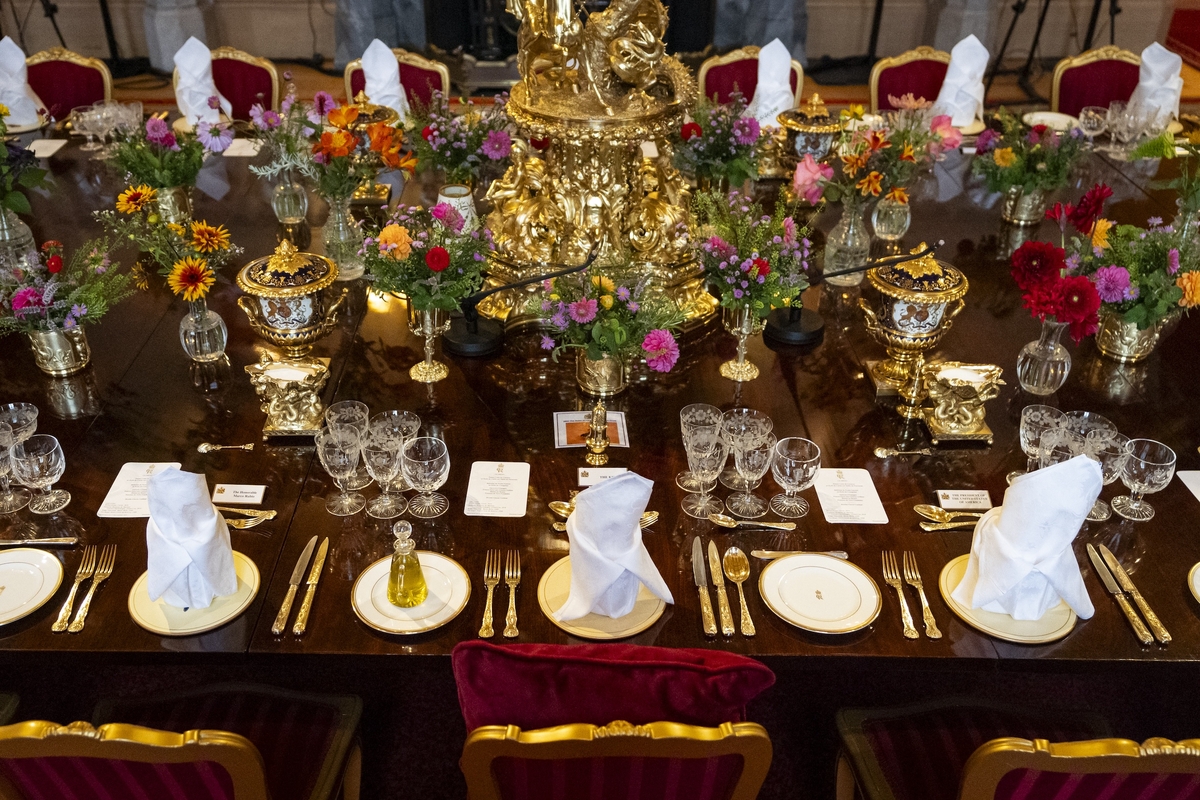

History prefers its tyrants obvious: a balcony, or a uniform cut with authoritarian precision. We are trained to look for power in armies and proclamations. What we do not instinctively examine is the kitchen, which is unfortunate, because while crowds have stared at battlements, some of the most enduring forms of control have been exercised quietly through dinner.
Long before constitutions were signed in heroic ink, someone was deciding who received butter and who received broth. Butter signals surplus and momentum. Broth signals endurance. You may overthrow an empire on principle, but rarely on thin soup.
A population that is permanently almost satisfied becomes logistical rather than revolutionary, calculating portions rather than drafting manifestos. Armies may storm gates in moments of drama; casseroles prevent the need for gates to be stormed at all.
1. Underfeeding as Containment
In ancient Sparta, the helots were deliberately underfed, kept sufficiently nourished to labour yet denied the surplus that might translate into strength and organised revolt. Mild hunger proved more useful than starvation, as it preserved productivity while narrowing ambition.2. Monotony as Discipline
Across the Mediterranean world, enslaved populations subsisted on repetitive diets of coarse grains, beans and pottage, while elites staged abundance with operatic excess: peacocks roasted and served with their feathers reattached, dormice fattened for display, imported spices signalling global reach.3. Engineering the Gladiator
Roman gladiators, the hordearii or “barley men,” were fed carbohydrate-heavy diets designed to increase body fat, creating a protective layer that allowed wounds to appear dramatic without proving immediately fatal.
4. Feudal Protein and Legal Appetite
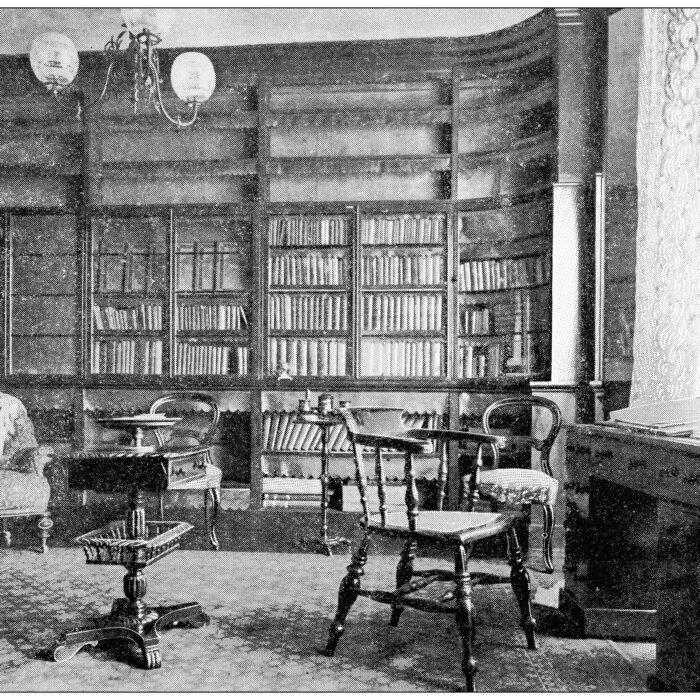
In medieval Europe, peasants lived largely on bread, oats and pottage, while access to game was legally restricted under forest laws that rendered deer and boar the property of the nobility.5. Stratification Within Subjugation
Even within systems of bondage, rations varied. Domestic servants or skilled workers often received marginally improved portions compared with field labourers.6. Coffee and the Fear of Conversation
If food governs the body, stimulants enliven the mind, which explains why rulers have often treated them with suspicion.Coffee houses were banned in Mecca in 1511 amid fears of dissent. Ottoman Sultan Murad IV prohibited coffee for similar reasons. In 1675, Charles II attempted to close London coffee houses, citing sedition.
7. Modern Narratives and Processed Solutions
Contemporary societies flatter themselves as nutritionally liberated, yet food remains entangled with economics and messaging. Governments subsidise crops; corporations frame dietary virtue; trends acquire moral overtones.The enthusiasm for insect-based protein illustrates how sustainability rhetoric can merge with industrial processing. Cultures have long eaten insects in whole, traditional forms, but pulverising crickets into shelf-stable powders and extruding them into bars marketed as global salvation is another matter.
Highly processed food, whether finely milled corn or finely milled cricket flour, correlates strongly with chronic diseases such as obesity, type 2 diabetes and cardiovascular conditions.
Humans evolved eating whole foods—leafy greens, intact beans, eggs complete with yolk and white—not emulsified powders engineered for shelf life. What we eat also shapes our microbiome, those trillions of bacteria that rely on the fibre and indigestible components of whole foods to thrive. Remove the bran, peel, skin, or structural integrity of a food, and the microbial ecosystem shifts accordingly.
Famine, moreover, rarely arises from absolute protein scarcity. It arises from war, corruption, and fractured distribution systems. Cricket flour cannot negotiate peace treaties. It can, however, attract investors.
We have previously attempted to “feed the world” through intensified monoculture, only to generate ecological damage and geopolitical complications. Structural problems resist culinary shortcuts, especially when those shortcuts are packaged as virtue.
The Pattern
Across civilisations, the principle persists: diet shapes the body, the body shapes capacity, and capacity shapes behaviour. Underfeed and strength diminishes. Restrict stimulants and discourse falters. Control distribution and dependency follows.Weapons may capture territory in moments of upheaval; menus sustain it in the long aftermath. Before authority rewrites the law, it often recalibrates the pantry.
The next time someone suggests that dinner is merely dinner, it may be worth pausing before the first bite and considering how often stew has achieved what swords could not.