We can use the same principles that ultra-processed food manufacturers apply to get maximum health benefits from natural food.

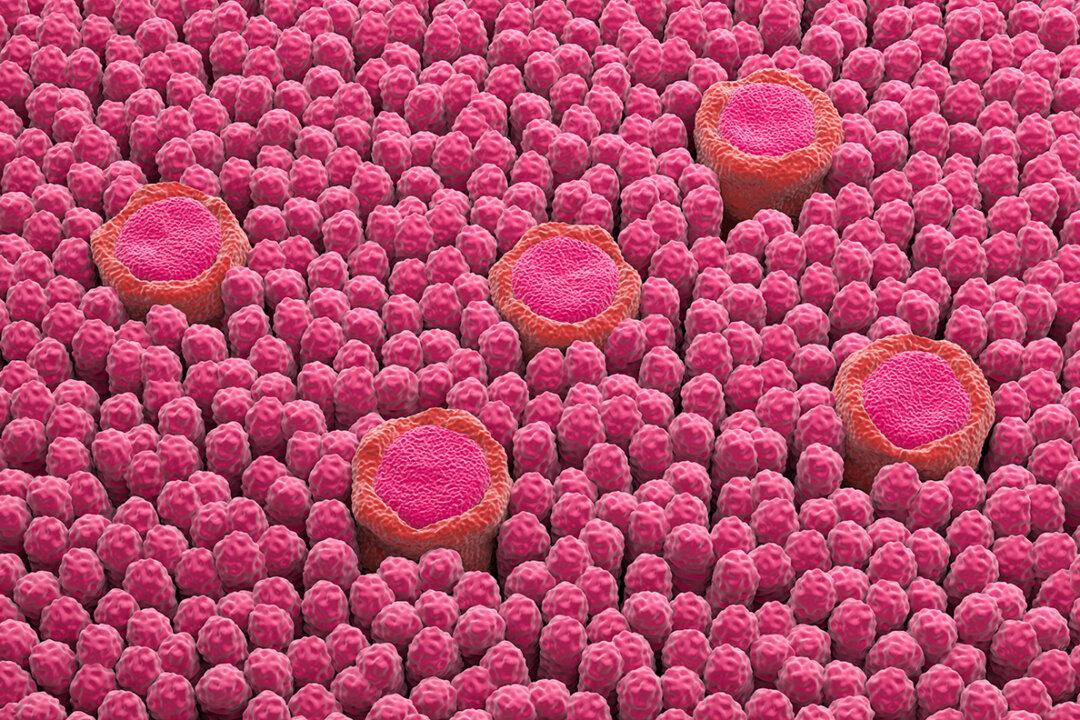
There are five recognized tastes we can detect, but scientists think they’ve discovered a mechanism by which we can detect a sixth.
Efforts to protect our skin from mosquitoes on a summer nigh may work for a while, but not forever.

We see things differently in winter compared with how we see them in summer, according to a new study that sheds light on how humans process colors.

In a noisy restaurant, music plays, glasses clink, and servers discuss the specials. All of these sounds hit the eardrum at the same time, yet conversation continues easily because of a process that allows humans to isolate, identify, and prioritize overlapping sounds.

But how this amazing sense works to discriminate odors is controversial.

Mystery of the human body may be solved through quantum mechanics: How exactly does the nose pick up on scents? Scientists aren’t exactly sure.

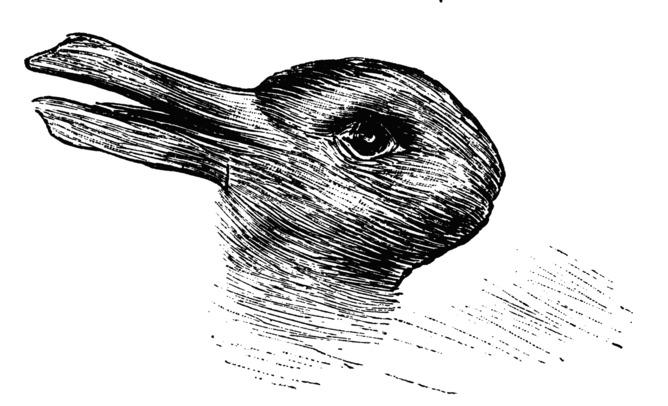
Visual illusions, such as the rabbit-duck (above), are fascinating because they remind us of the discrepancy between perception and reality. But our knowledge of such illusions has been largely limited to studying humans.
The most detailed ever play-by-play of how sharks hunt prey shows their senses work together from start to finish to get the job done.
We can use the same principles that ultra-processed food manufacturers apply to get maximum health benefits from natural food.
There are five recognized tastes we can detect, but scientists think they’ve discovered a mechanism by which we can detect a sixth.
Efforts to protect our skin from mosquitoes on a summer nigh may work for a while, but not forever.
We see things differently in winter compared with how we see them in summer, according to a new study that sheds light on how humans process colors.
In a noisy restaurant, music plays, glasses clink, and servers discuss the specials. All of these sounds hit the eardrum at the same time, yet conversation continues easily because of a process that allows humans to isolate, identify, and prioritize overlapping sounds.
But how this amazing sense works to discriminate odors is controversial.
Mystery of the human body may be solved through quantum mechanics: How exactly does the nose pick up on scents? Scientists aren’t exactly sure.
Visual illusions, such as the rabbit-duck (above), are fascinating because they remind us of the discrepancy between perception and reality. But our knowledge of such illusions has been largely limited to studying humans.
The most detailed ever play-by-play of how sharks hunt prey shows their senses work together from start to finish to get the job done.