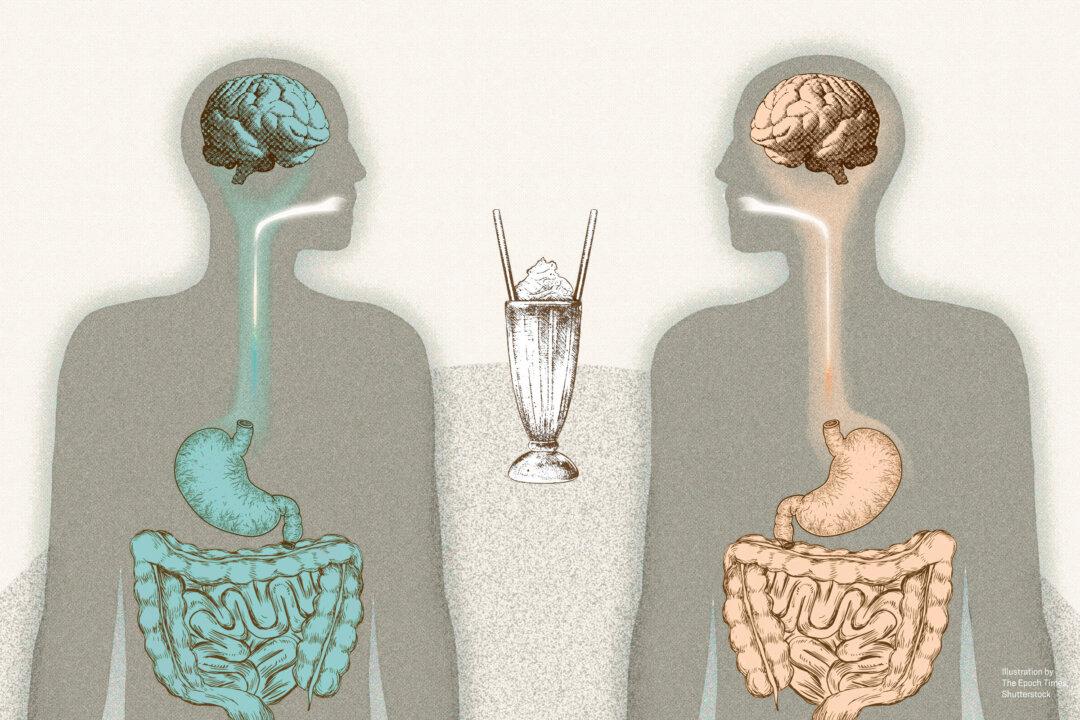
Research shows that a disconnect between the brain and gut can contribute to obesity. Fortunately, there are ways to reunite them.
If researcher Elizabeth Petitti played two musical notes from her laptop, some people would hear the notes rise in pitch, while others would hear them fall. Why the difference?

Because sound travels much more slowly than light, we can often see distant events before we hear them.

A new study tests the idea that traditional societies see aging in a more positive light than modern societies, a presumption supported by anecdotes and personal narratives but lacking systematic cross-cultural research.

We see things differently in winter compared with how we see them in summer, according to a new study that sheds light on how humans process colors.

What’s more distracting: something overt or something subtle?

Dealing with rude behavior at work makes people more likely to perceive rudeness in later interactions, a new study shows.

Though we can easily tell colors apart side-by-side, we have trouble remembering specific shades because our brains tend to store color memories as one of just a few basic hues.

The more committed we are to achieving a goal the more likely we are to assume others have exactly the same objective

The colors we wear could affect how we feel and affect the “vibes” we give others, says Australian physicist Dr. Tom Chalko.

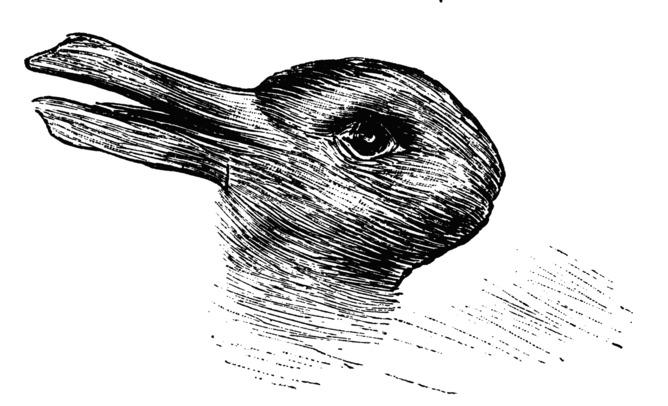
Visual illusions, such as the rabbit-duck (above), are fascinating because they remind us of the discrepancy between perception and reality. But our knowledge of such illusions has been largely limited to studying humans.
A recently published article at The Week, titled “How can we unleash positive animal spirits into the economy? Change the narrative,” provides a clear example of what’s wrong with the perception of economics and why modern economic approaches is at a loss of explaining anything important.

Research shows that a disconnect between the brain and gut can contribute to obesity. Fortunately, there are ways to reunite them.
If researcher Elizabeth Petitti played two musical notes from her laptop, some people would hear the notes rise in pitch, while others would hear them fall. Why the difference?
Because sound travels much more slowly than light, we can often see distant events before we hear them.
A new study tests the idea that traditional societies see aging in a more positive light than modern societies, a presumption supported by anecdotes and personal narratives but lacking systematic cross-cultural research.
We see things differently in winter compared with how we see them in summer, according to a new study that sheds light on how humans process colors.
What’s more distracting: something overt or something subtle?
Dealing with rude behavior at work makes people more likely to perceive rudeness in later interactions, a new study shows.
Though we can easily tell colors apart side-by-side, we have trouble remembering specific shades because our brains tend to store color memories as one of just a few basic hues.
The more committed we are to achieving a goal the more likely we are to assume others have exactly the same objective
The colors we wear could affect how we feel and affect the “vibes” we give others, says Australian physicist Dr. Tom Chalko.
Visual illusions, such as the rabbit-duck (above), are fascinating because they remind us of the discrepancy between perception and reality. But our knowledge of such illusions has been largely limited to studying humans.
A recently published article at The Week, titled “How can we unleash positive animal spirits into the economy? Change the narrative,” provides a clear example of what’s wrong with the perception of economics and why modern economic approaches is at a loss of explaining anything important.