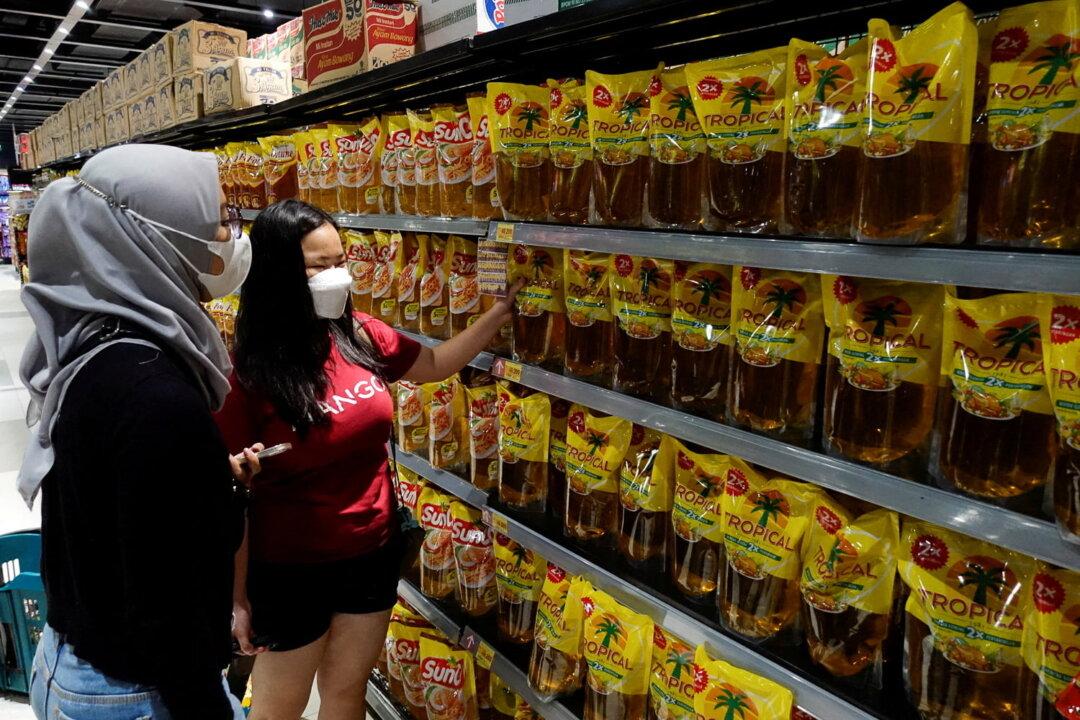
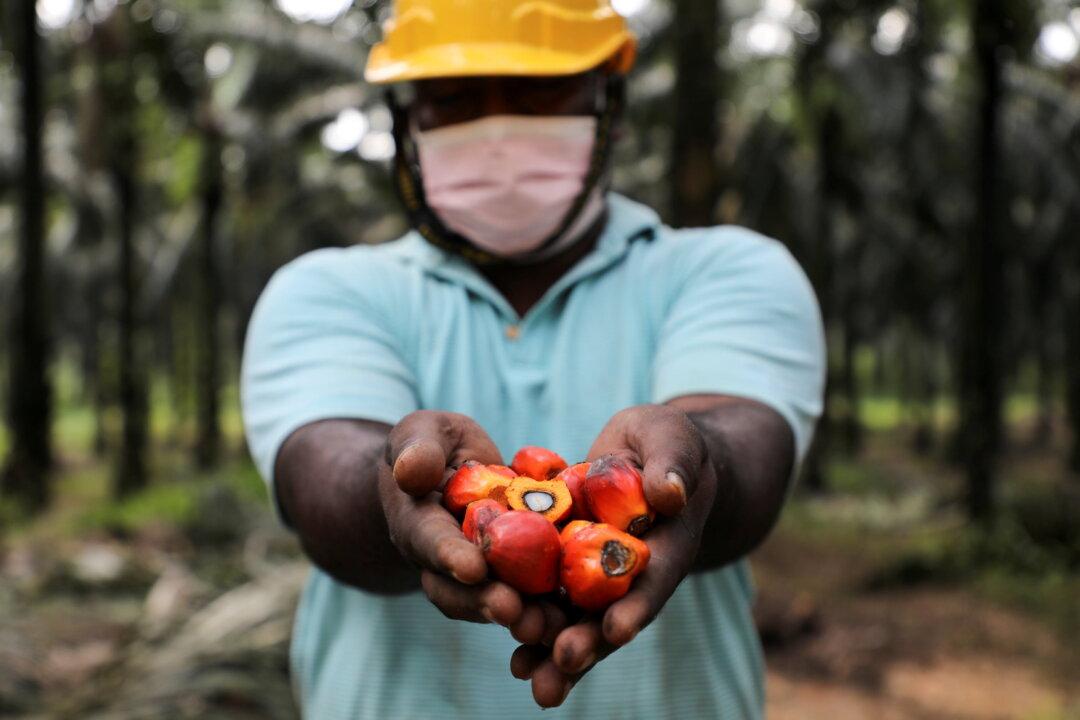
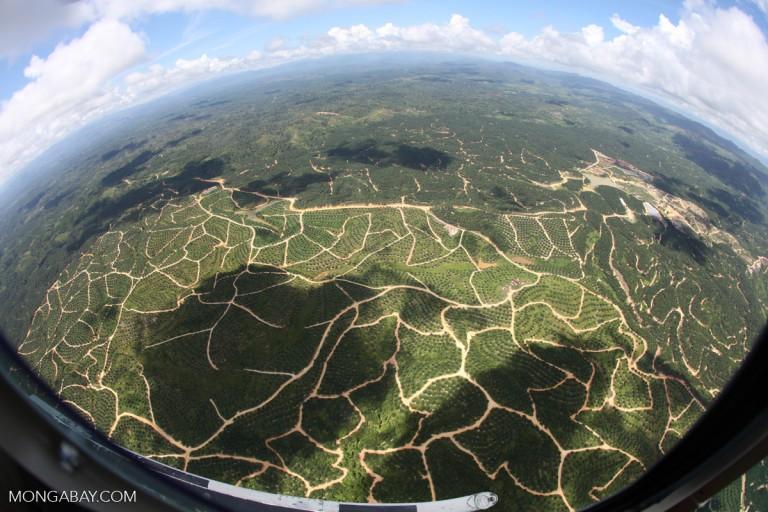
Indonesia and Malaysia, the world’s top two palm oil producers, signed an agreement Saturday to set up a council for palm oil producing countries in a bid to ensure price stability by managing production and stock in the global market.

Palm oil is found in practically every household product. Companies can actually turn a good profit from conserving land used to produce the ingredient.

Home products giant IKEA has made a time-bound commitment for eliminating palm oil linked to deforestation and human rights abuses from its supply chain.
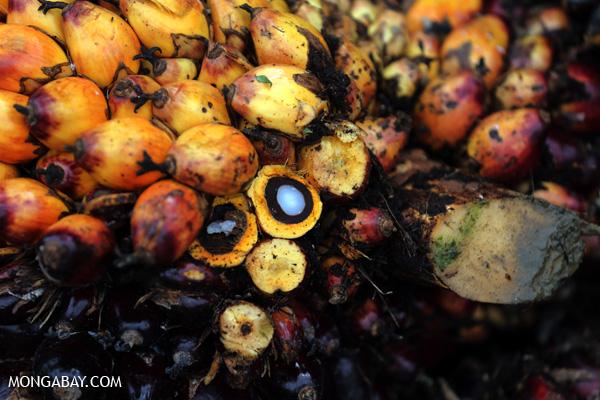
As the world runs out of oil, biofuels and oil palms look like an easy way to grab wealth. But are biofuels the answer to our problems?
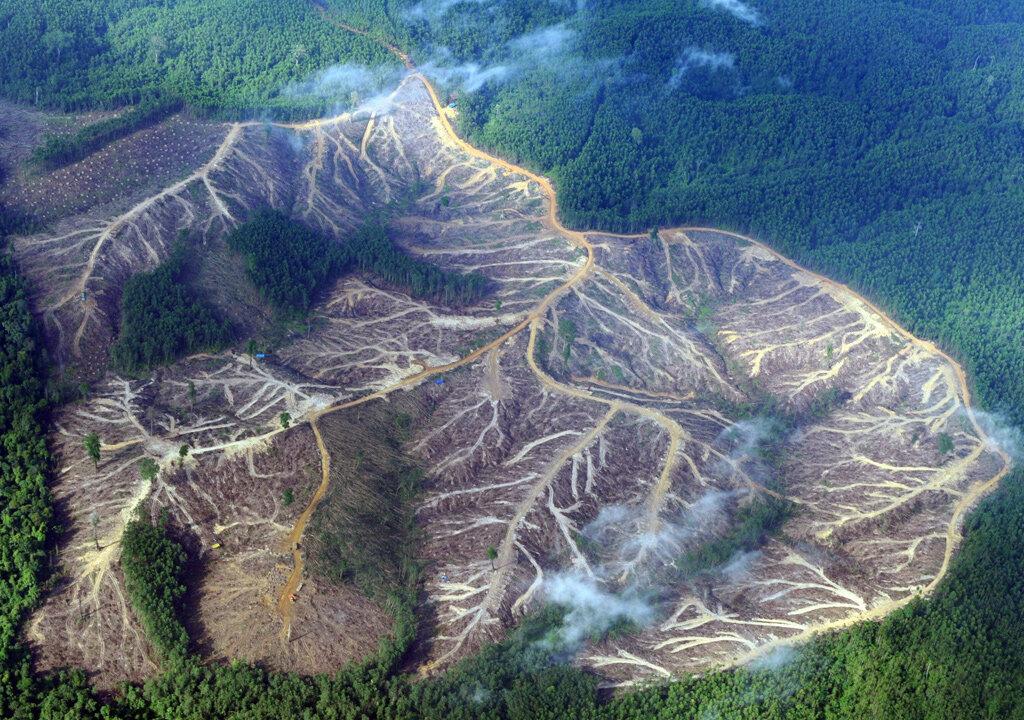
The Malaysian state should play a more active role in supporting the transition toward less environmentally destructive palm oil production, says a coalition of Malaysian NGO’s.

Unlike other palm oil giants that have recently made strong commitments to eliminating deforestation and social conflict from their supply chains, Malaysia-based Kuala Lumpur Kepong continues to source palm oil associated with forest destruction and community conflict, argues a new report published by the Rainforest Action Network.
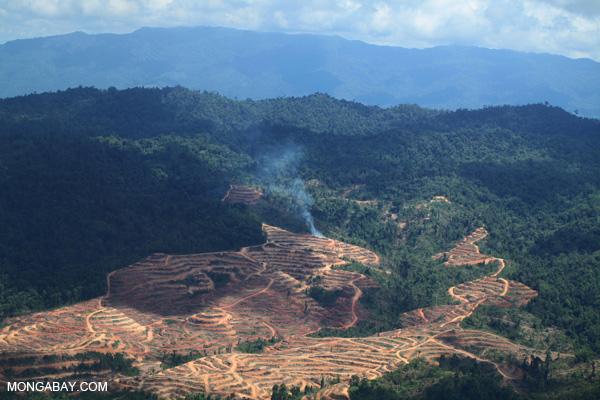
Indonesia and Malaysia, the world’s top two palm oil producers, signed an agreement Saturday to set up a council for palm oil producing countries in a bid to ensure price stability by managing production and stock in the global market.
Palm oil is found in practically every household product. Companies can actually turn a good profit from conserving land used to produce the ingredient.
Home products giant IKEA has made a time-bound commitment for eliminating palm oil linked to deforestation and human rights abuses from its supply chain.
As the world runs out of oil, biofuels and oil palms look like an easy way to grab wealth. But are biofuels the answer to our problems?
The Malaysian state should play a more active role in supporting the transition toward less environmentally destructive palm oil production, says a coalition of Malaysian NGO’s.
Unlike other palm oil giants that have recently made strong commitments to eliminating deforestation and social conflict from their supply chains, Malaysia-based Kuala Lumpur Kepong continues to source palm oil associated with forest destruction and community conflict, argues a new report published by the Rainforest Action Network.