Some 75 years in the making, the eurozone as it currently exists has generally succeeded in its aims of establishing shared institutions, political constraints and economic benefits: a single currency, open borders, free trade agreements—and until 2008—flourishing growth. But cracks that began showing throughout 2015 this year show no sign of closing.

While the allure is there, a Greek exit from the European Union is unmistakably a bad idea.

Greece has just experienced a nasty reality check. For Europe, the reckoning might simply lie a little further down the road.
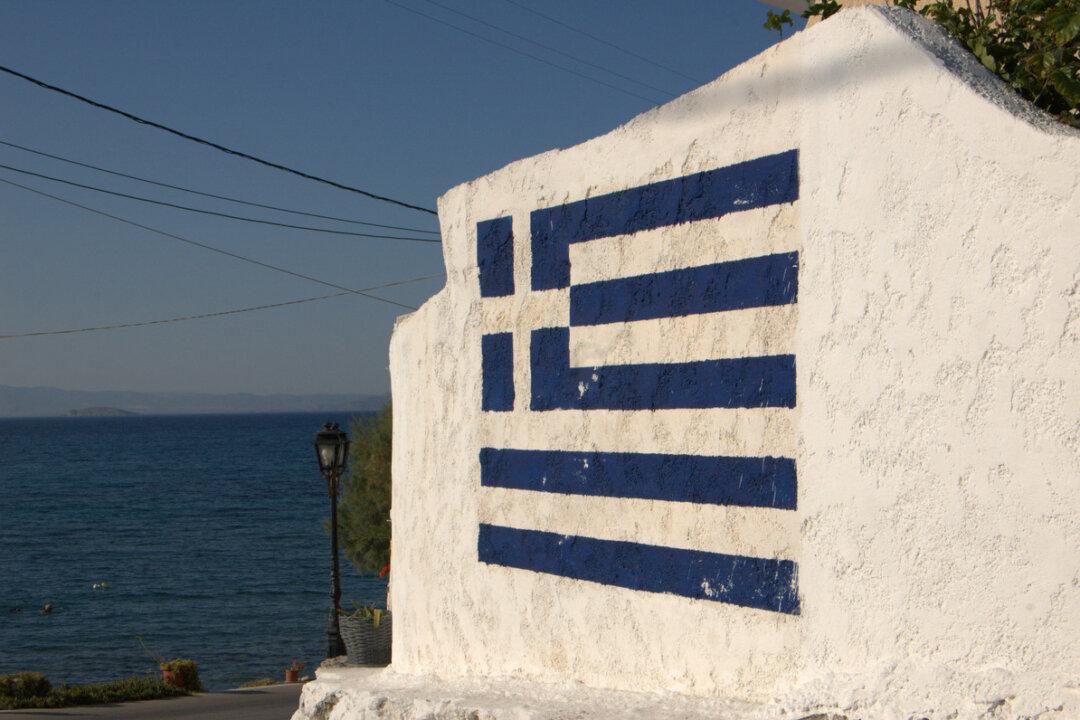
Greece reached a deal with its European creditors Monday, pledging stringent austerity to avoid an exit from the euro and the global financial chaos that could have followed
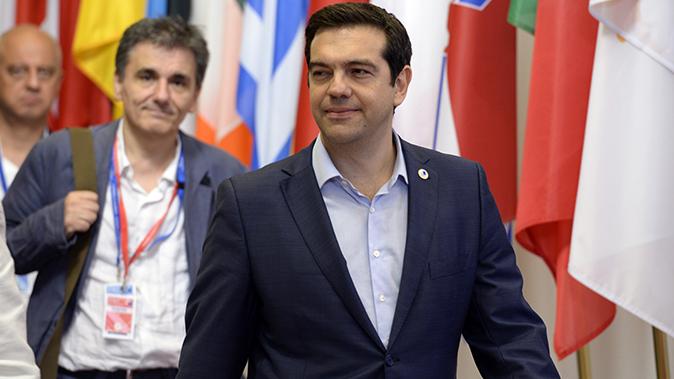
We are approaching the end game in the conflict between Greece and its creditors. How likely is it that Greece will leave the euro?

Half of young Greeks are unemployed, and over 40 percent live in poverty. Is default really worse than letting Europe squeeze the country dry?

On his 10-year trip home, the Greek hero Odysseus at one point had to steer his ship and crew between Scylla, a six-headed monster, on one side of a narrow stretch of water and the whirlpool Charybdis on the other

If Greece’s financial crisis deepens, as many believe it must, he can feed his children and grandchildren with the bounty of the land in this proud village high in the mountains of the Arcadia Peloponnese

Banks and ATM machines were shut throughout Greece on Monday, the first day of capital controls announced by the government

With the June 30 deadline looming for Greece’s 1.5 billion euro debt repayment, here are five key things to know about the IMF’s position.

Greece is on the brink. Even if a last-minute deal is found, it is clear that the solutions proposed are little more than a way to delay the crisis.

Optimism was in short supply over the prospects of a deal Thursday that might prevent Greece’s bankruptcy

There’s no “January effect” in sight, as financial markets have begun 2015 as if it were mid-October last year. “Risk-off” gripped markets as oil continued to plunge while deflation in the eurozone and the threat of Greece’s exit from the eurozone came to the fore once again.

Some 75 years in the making, the eurozone as it currently exists has generally succeeded in its aims of establishing shared institutions, political constraints and economic benefits: a single currency, open borders, free trade agreements—and until 2008—flourishing growth. But cracks that began showing throughout 2015 this year show no sign of closing.
While the allure is there, a Greek exit from the European Union is unmistakably a bad idea.
Greece has just experienced a nasty reality check. For Europe, the reckoning might simply lie a little further down the road.
Greece reached a deal with its European creditors Monday, pledging stringent austerity to avoid an exit from the euro and the global financial chaos that could have followed
We are approaching the end game in the conflict between Greece and its creditors. How likely is it that Greece will leave the euro?
Half of young Greeks are unemployed, and over 40 percent live in poverty. Is default really worse than letting Europe squeeze the country dry?
On his 10-year trip home, the Greek hero Odysseus at one point had to steer his ship and crew between Scylla, a six-headed monster, on one side of a narrow stretch of water and the whirlpool Charybdis on the other
If Greece’s financial crisis deepens, as many believe it must, he can feed his children and grandchildren with the bounty of the land in this proud village high in the mountains of the Arcadia Peloponnese
Banks and ATM machines were shut throughout Greece on Monday, the first day of capital controls announced by the government
With the June 30 deadline looming for Greece’s 1.5 billion euro debt repayment, here are five key things to know about the IMF’s position.
Greece is on the brink. Even if a last-minute deal is found, it is clear that the solutions proposed are little more than a way to delay the crisis.
Optimism was in short supply over the prospects of a deal Thursday that might prevent Greece’s bankruptcy
There’s no “January effect” in sight, as financial markets have begun 2015 as if it were mid-October last year. “Risk-off” gripped markets as oil continued to plunge while deflation in the eurozone and the threat of Greece’s exit from the eurozone came to the fore once again.