It’s not silent at the bottom of ocean. For three weeks, researchers from Oregon State University dropped a titanium-encased hydrophone at the bottom of the Mariana Trench in the Pacific, at a depth of 36,000, deeper than Mount Everest is tall.

The news is full of announcements about newly discovered forms of life.

Royal Dutch Shell’s dry hole in the Chukchi Sea may be disappointing to shareholders, but it’s potentially devastating to Alaska

NASA’s latest Mars rover is scheduled to land at Gale Crater on the Red Planet at 10:31 p.m. PDT on Aug. 5 (1:31 a.m. EDT or 6:31 a.m. GMT on Aug. 6).

NASA scientists are trying a different strategy to collect samples from comets: by harpooning them.

The DeepFlight Challenger submarine will journey to the deepest known part of the ocean, the Challenger Deep at the southern end of the Marianas Trench.
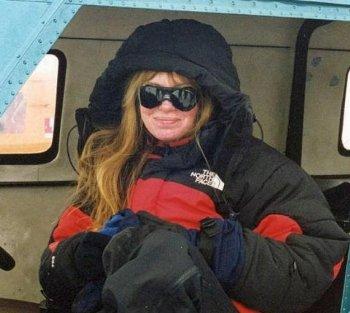
Throughout her life, Lorie Karnath, the 37th president of the prestigious Explorers Club has been fascinated and inspired by the beauty of exploration.
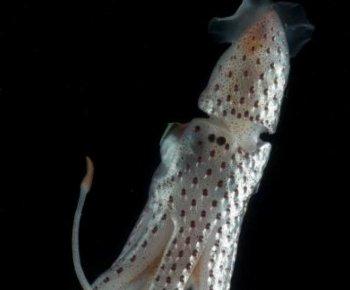
Scientists know the least about the largest habitat for life on Earth—the deep, open ocean.
It’s not silent at the bottom of ocean. For three weeks, researchers from Oregon State University dropped a titanium-encased hydrophone at the bottom of the Mariana Trench in the Pacific, at a depth of 36,000, deeper than Mount Everest is tall.
The news is full of announcements about newly discovered forms of life.
Royal Dutch Shell’s dry hole in the Chukchi Sea may be disappointing to shareholders, but it’s potentially devastating to Alaska
NASA’s latest Mars rover is scheduled to land at Gale Crater on the Red Planet at 10:31 p.m. PDT on Aug. 5 (1:31 a.m. EDT or 6:31 a.m. GMT on Aug. 6).
NASA scientists are trying a different strategy to collect samples from comets: by harpooning them.
The DeepFlight Challenger submarine will journey to the deepest known part of the ocean, the Challenger Deep at the southern end of the Marianas Trench.
Throughout her life, Lorie Karnath, the 37th president of the prestigious Explorers Club has been fascinated and inspired by the beauty of exploration.
Scientists know the least about the largest habitat for life on Earth—the deep, open ocean.