“The station’s position may enable it to collect signals intelligence from U.S.-allied Australia and New Zealand,” one report said.


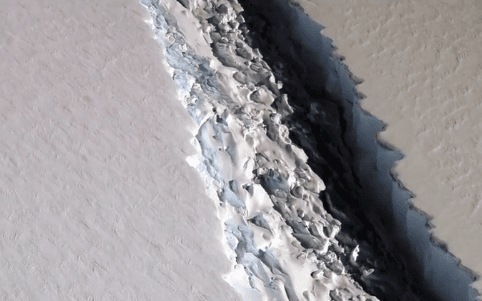
NASA’s Icebridge mission has captured an image of a significant rift in Antartica’s Larsen C ice shelf.
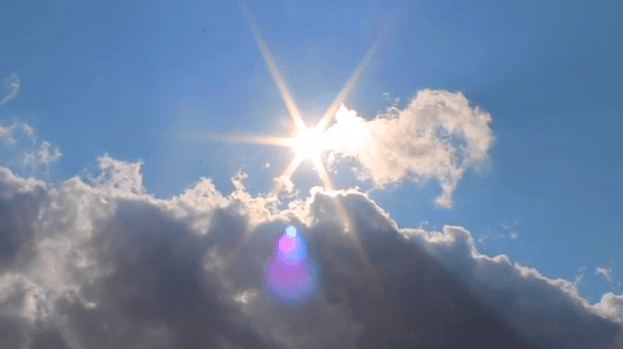
The Antarctic ozone hole may be starting to heal, finds a new study.
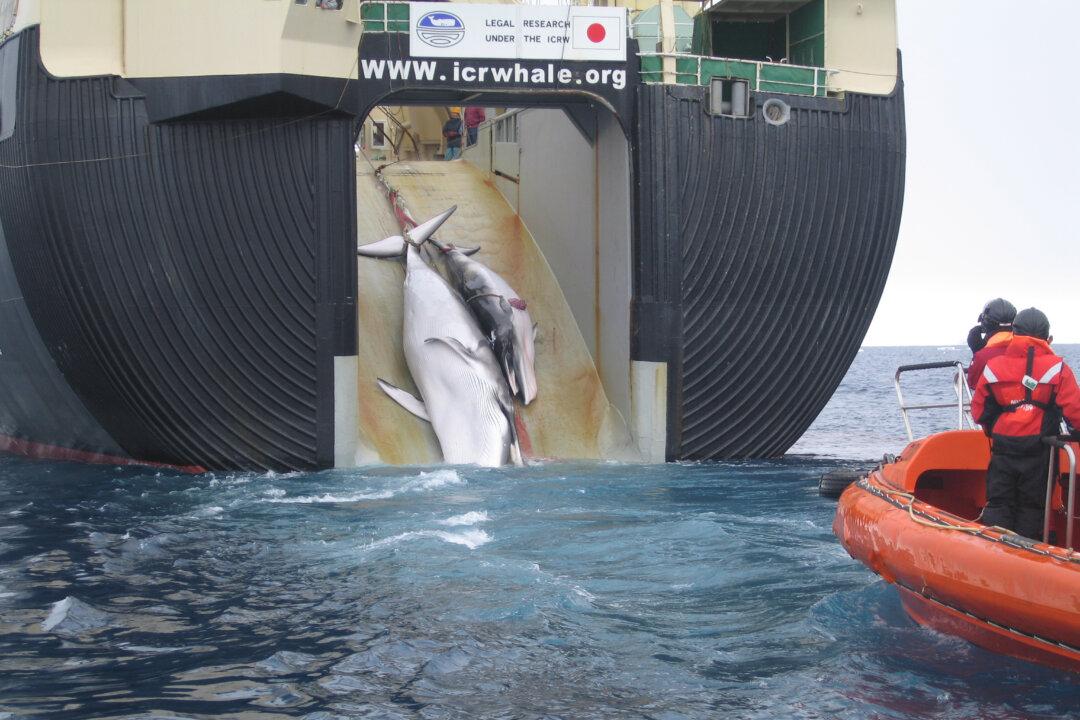
Of the 333 minke whales they killed in the Antarctic, 230 were females—of which 209 were pregnant—and 103 were males.
Antarctica’s glaciers have been making headlines during the past year, and not in a good way.

Antarctica is a cold, largely barren place, but researchers report they have come upon a previously unknown place on the frozen continent that may be teeming with life.
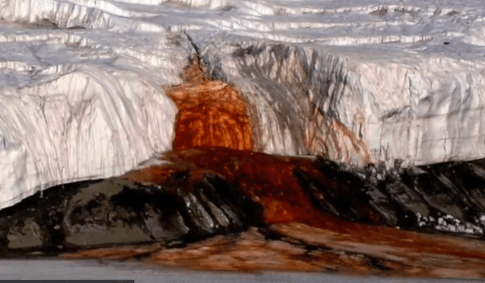
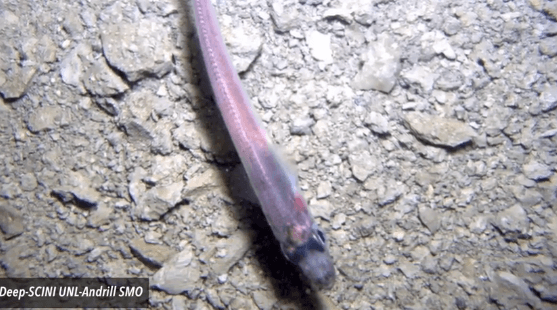
The water below the Antarctic ice sheet is as cold and dark as ever, but it turns out it’s not as desolate as scientists thought. There’s a whole ecosystem down there.
A matter of inches might help solve a riddle scientists have been working on for years: why rising ocean levels don’t match ice melt.
A 1.24-mile wide ring in eastern Antarctica was first spotted at the end of 2014 and may be a meteoric crater caused by a crash ten years earlier.