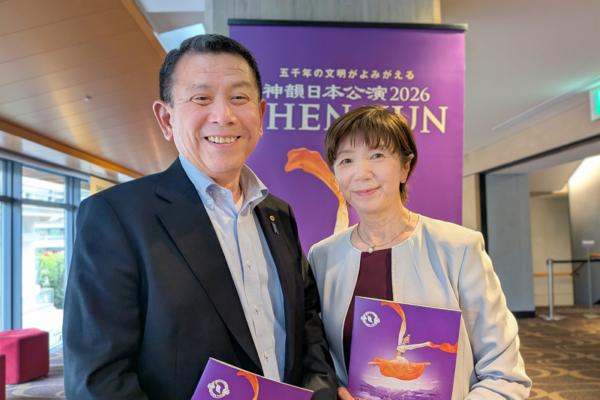
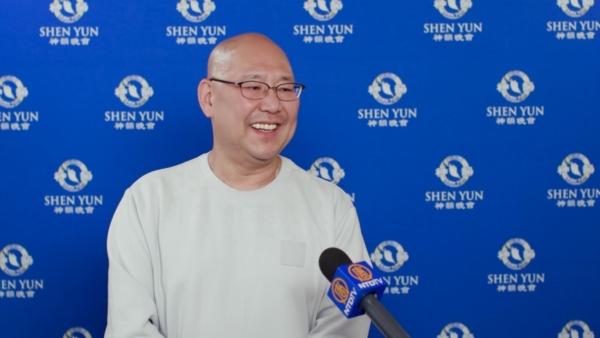
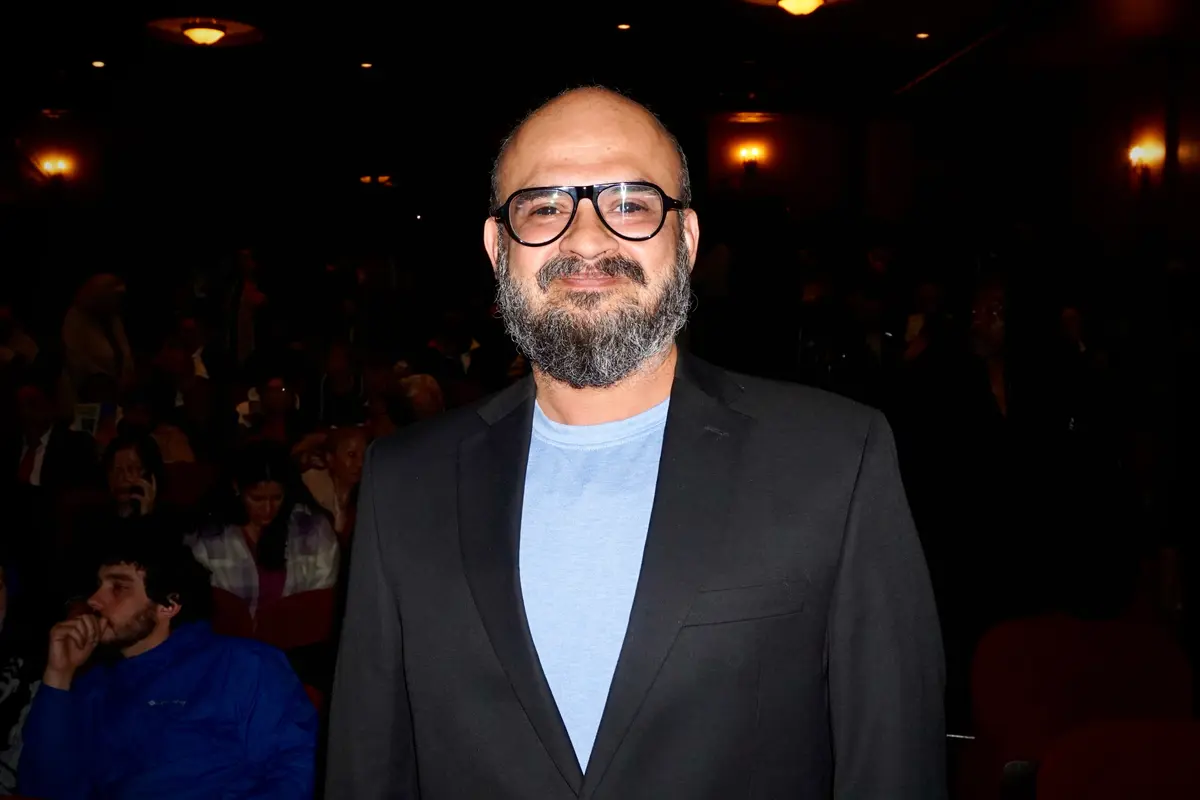
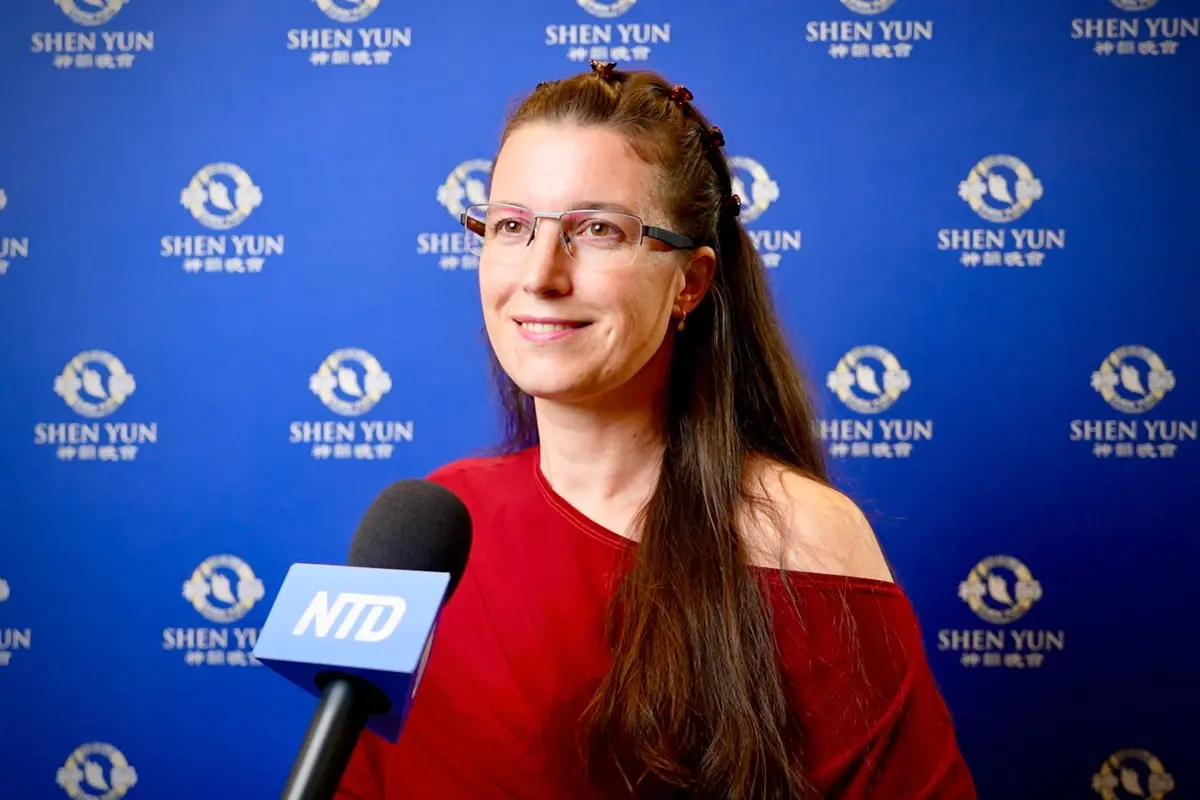
KYOTO, Japan—“The China we usually know is under the communist party, but what we saw today felt like the true China,” Nara City Councilor Yoshifumi Uemura said after experiencing Shen Yun Performing Arts, expressing his heartfelt admiration for the culture of “China before communism,” presented on stage, that he said resonates with traditional Japanese values.
“It made me feel fond of this kind of China,” the councilor added.
On the afternoon of April 26, the Shen Yun New Era Company staged its fifth and final performance at the ROHM Theatre Kyoto.
Mr. Uemura noted that opportunities to experience classical Chinese culture are rare, and that this was his first time seeing Shen Yun.
“I was truly amazed. We rarely have the chance to see classical Chinese performing arts. The energy was incredible, yet it also expressed a great sense of gentleness.”
A striking aspect of the performance is its portrayal of both traditional culture and the realities of present-day China, a powerful contrast that Mr. Uemura found deeply meaningful.
“The fusion of Chinese and Western instruments felt completely natural. It was wonderful and very impressive,” he said.
“When the erhu begins to play, you immediately feel a strong sense of China. Its tone carries a deep cultural resonance.”
His wife shared a similar impression, marveling at the instrument’s expressive power.
“It’s amazing that just two strings can produce such rich tones and beautiful melodies. It gives a nostalgic feeling. It makes me think of the beauty of ancient China.”
Beyond the music, she also praised the precision and artistry of the dance.
“The movements were perfectly synchronized, with incredible precision. The costumes were stunning and unique. The coordination between the dancers and the digital backdrop was seamless—it must have taken an enormous amount of practice,” she said.
Mr. Uemura likened the dancers to elite athletes: “It felt like watching a gathering of top Olympic-level athletes—every performer was exceptional.”
Reflecting on the overall impression, Mr. Uemura said the performance combined vitality with warmth and conveyed China’s rich cultural heritage.
As a politician, Mr. Uemura has long paid close attention to the human rights crisis of forced organ harvesting in China, which is responsible for the murder of hundreds of thousands, including the heavily persecuted Falun Gong, which originated in China and has since spread all over the world.
“The performance clearly showed the reality in China and the true nature of the Chinese Communist Party,” he said. “It also expressed the values of Falun Gong, such as health and peace, which is remarkable.”
Recently, with his support, the Nara City Council passed a resolution aimed at preventing Japanese citizens from becoming inadvertently involved in cross-border organ transplant abuses, and submitted it to Japan’s national Legislature.
“Even under political pressure, they continue without giving up. I could clearly feel the strong sense of mission from each performer,” Mr. Uemura said.
He also noted the deep cultural connections between China and Japan, especially in places like Nara.
“In Japan, especially in Nara, we have preserved ancient culture from China. Seeing it recreated like this was very moving.”
“This is not just a performance—it carries a powerful message. It shows that peace requires effort, and that people must continue striving for it.”
He also reflected on the final piece, which he felt conveyed hope for the future.
“The final scene, with the Buddha’s descent, seemed to suggest that communism will eventually fade, and that China will return to its traditional roots. Perhaps on that day, Shen Yun will be able to perform in China again.”