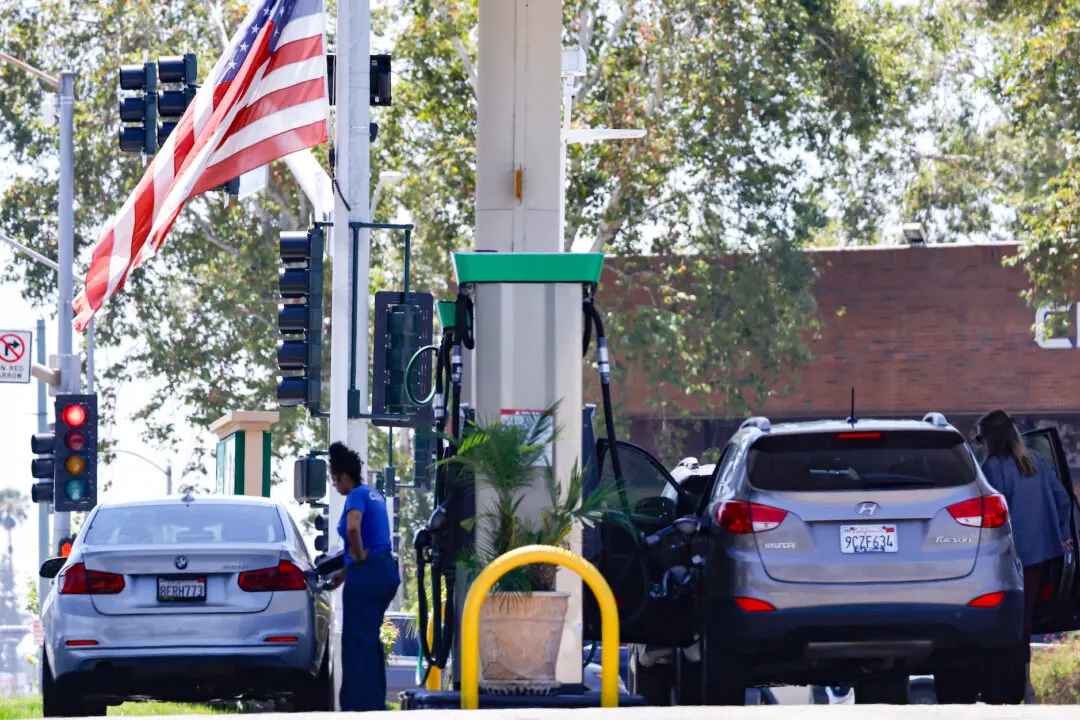
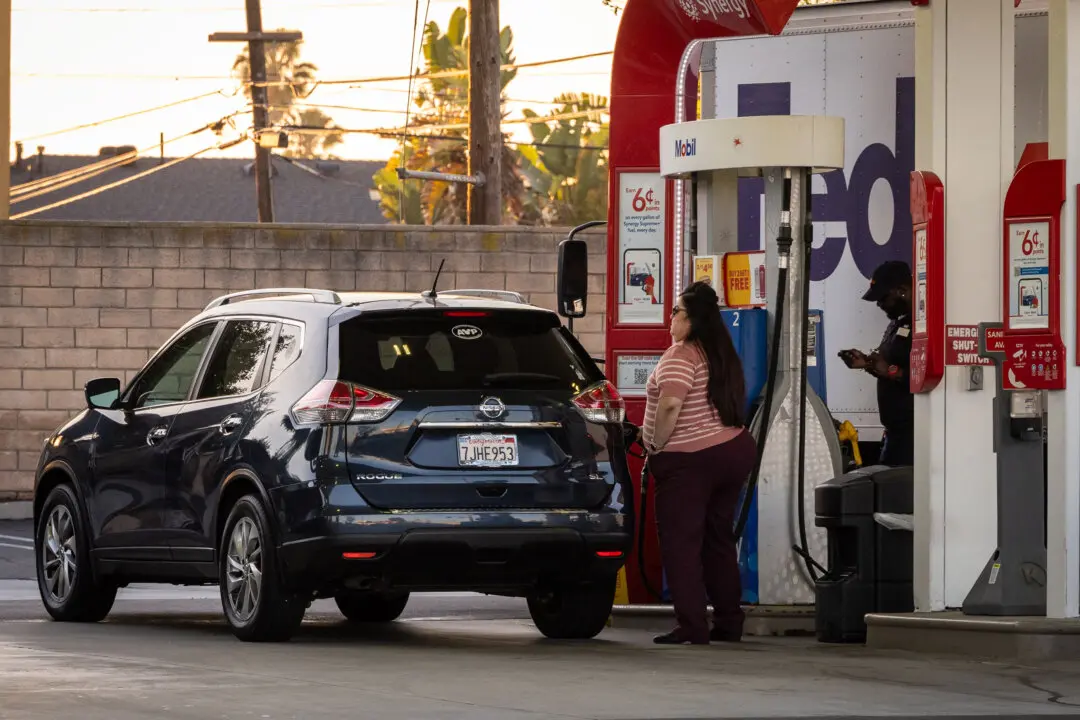
Analysts warn Australia’s fuel excise cut to soften fuel price hikes was the wrong move.
The Treasury chief said the economy remains strong, while Trump predicted that energy prices would drop quickly.
Energy disruptions related to the Middle East conflict risk a recession-like slowdown and elevated price pressures.
‘Economic expectations will likely improve after consumers gain confidence’ the war’s supply disruptions have ended, the consumer surveys director says.
The inflation spike was not a surprise, but observers are waiting to see if price pressures will persist.
It is fair to say that the excitement about the upcoming quarterly announcement season is building, so we have a lot to look forward to in the upcoming weeks.
Those aged 18 to 20 will gradually transition to full adult pay.
Newest data could add to the Federal Reserve’s worries about inflation expectations.
Investor sentiment weakened as Iran denied negotiations and renewed strikes with Israel, keeping oil elevated and equities under pressure.
The Federal Reserve’s Christopher Waller and Michelle Bowman thought rate cuts were possible this year—the markets disagreed.
ABS figures show the unemployment rate was 4.1 percent in January.
Investors trim their bets on interest rate cut expectations.
‘The Reserve Bank’s forecasts are not forecasting a recession in our economy. Neither are the government’s,’ said Treasurer Jim Chalmers.
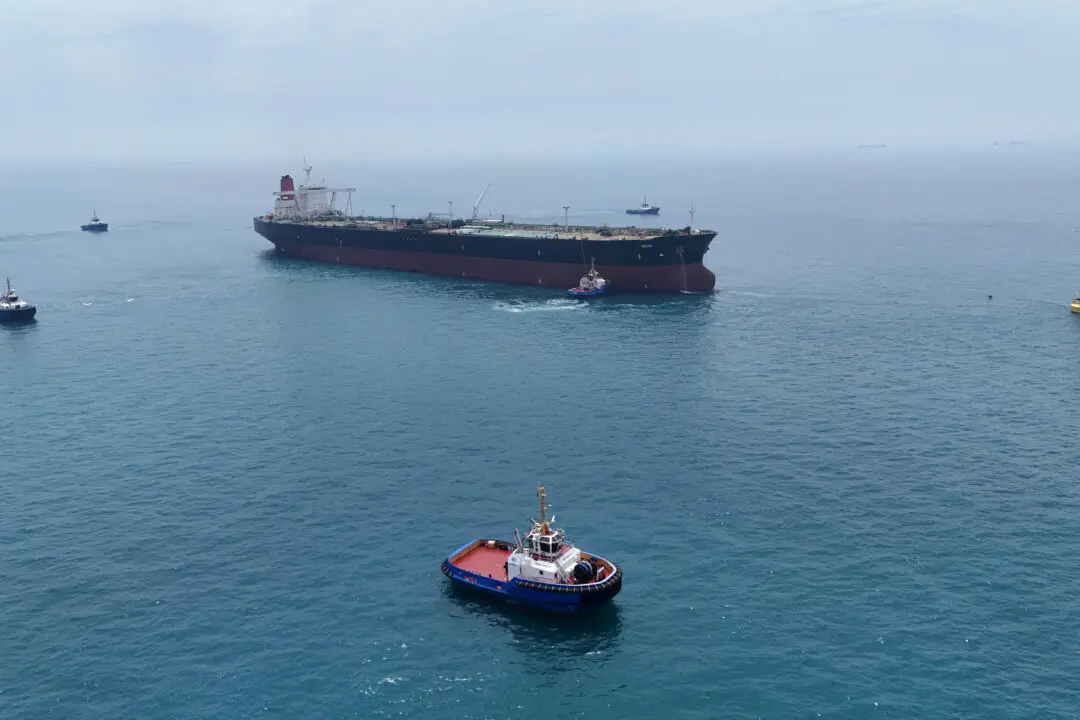
A 100-year-old Levant pipeline bypassed the Gulf chokepoint. With tankers halted and prices soaring in 2026, an abandoned route could be key to energy security.
This is the first series of rate increases since December 2024.
Tariffs also played a role as the average price of a new car sold rose 3.4 percent from a year ago.
‘That would be the exact same as last year’s COLA of 2.8 percent,’ a seniors group said.
All eyes will be on next month’s consumer price index report because of the Iranian conflict.
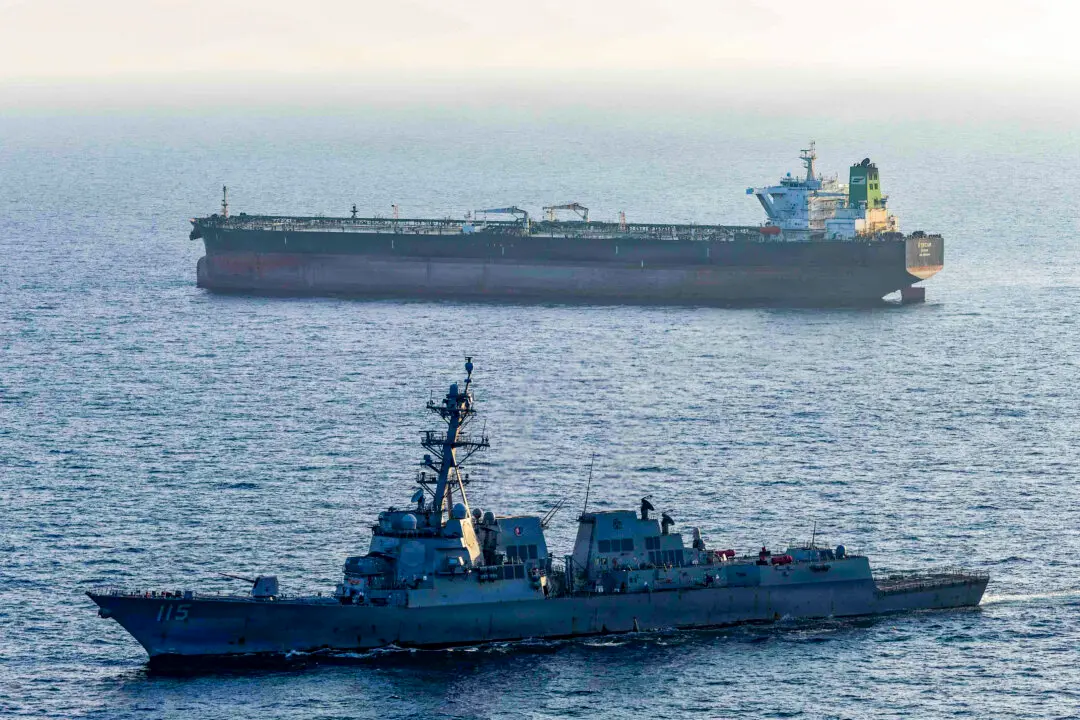
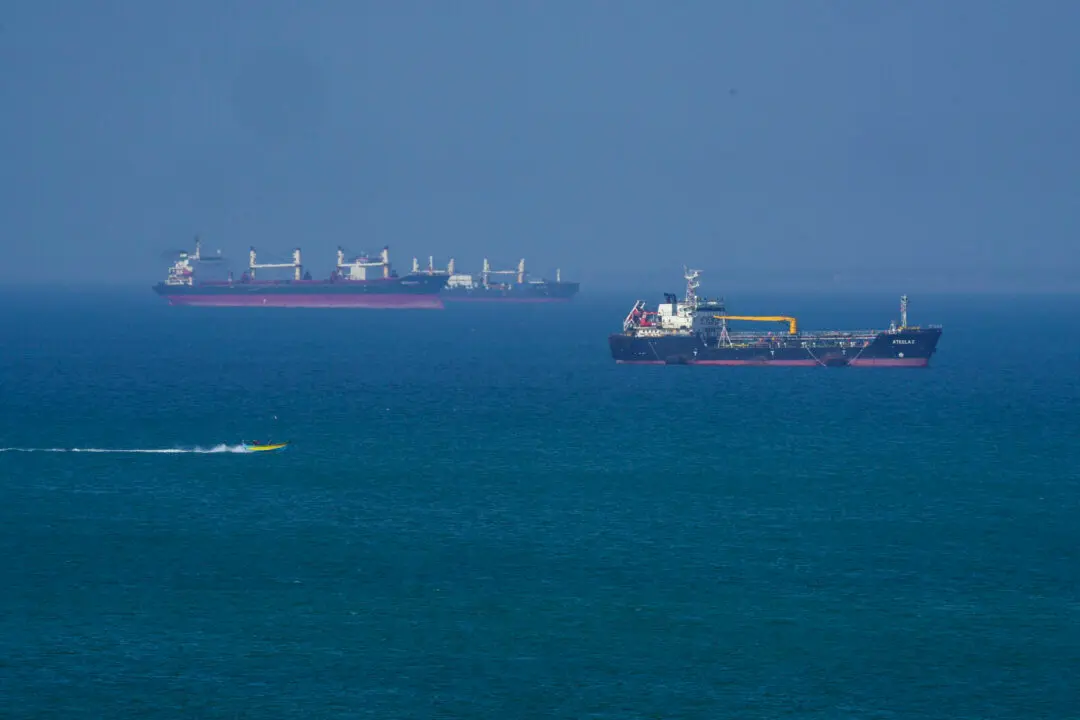
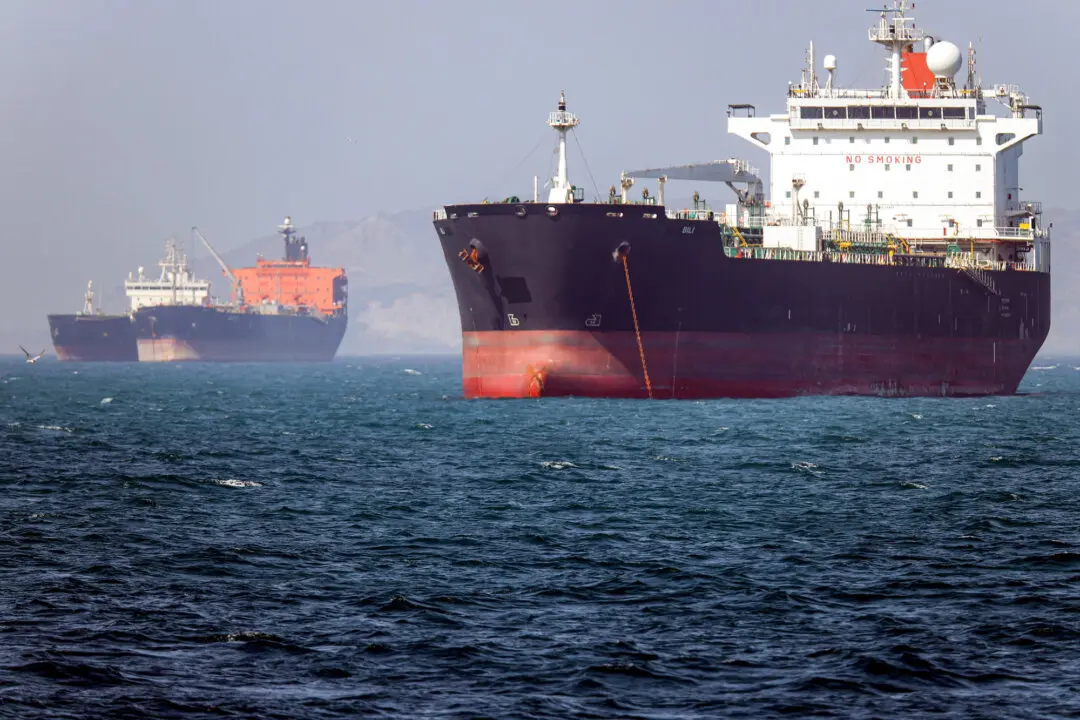
A prolonged conflict would further delay ships in the Strait of Hormuz, leading to product shortages and higher production and transportation costs.
Businesses suggest that prices will ‘rise at a somewhat slower pace in the near term.’
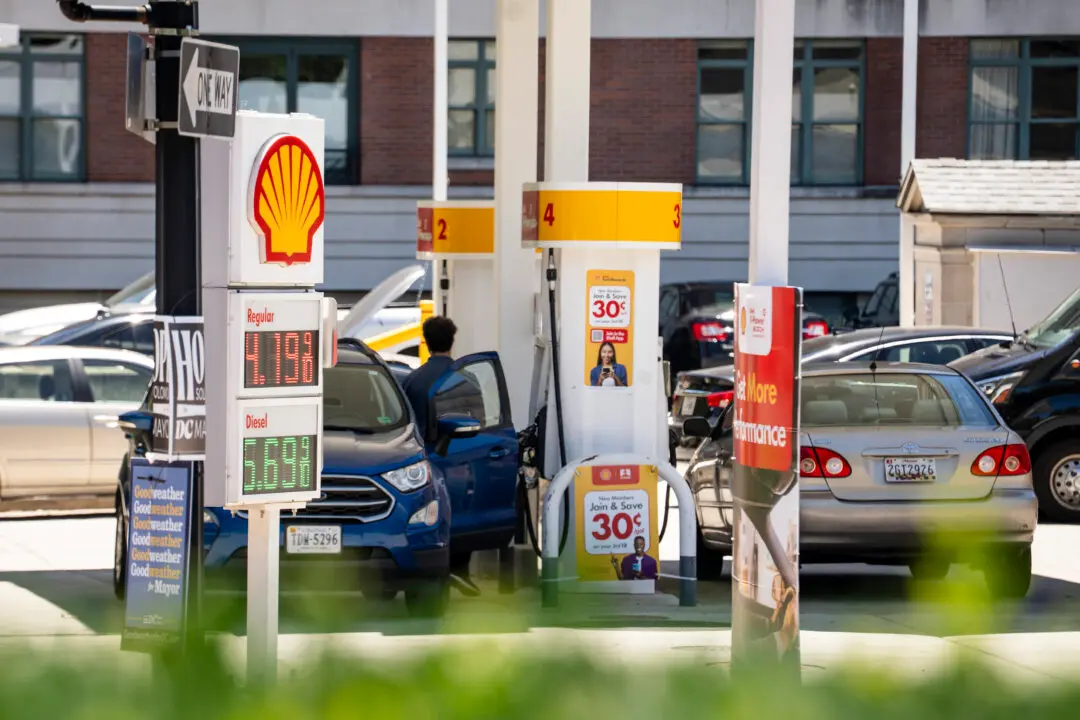
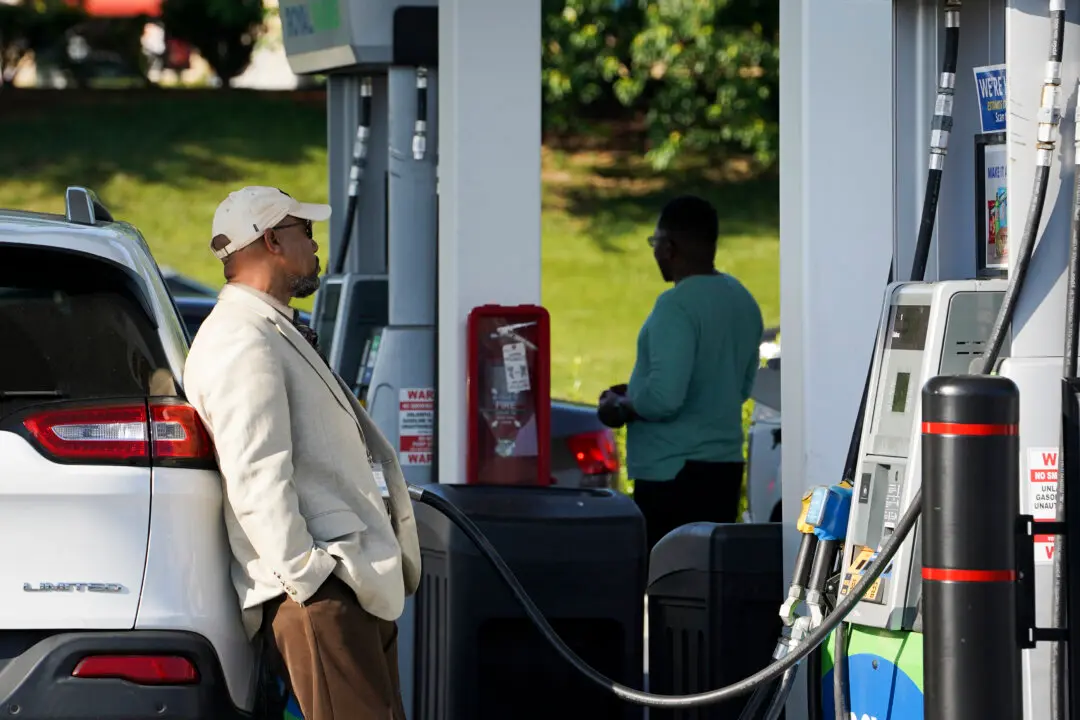
Analysts warn Australia’s fuel excise cut to soften fuel price hikes was the wrong move.
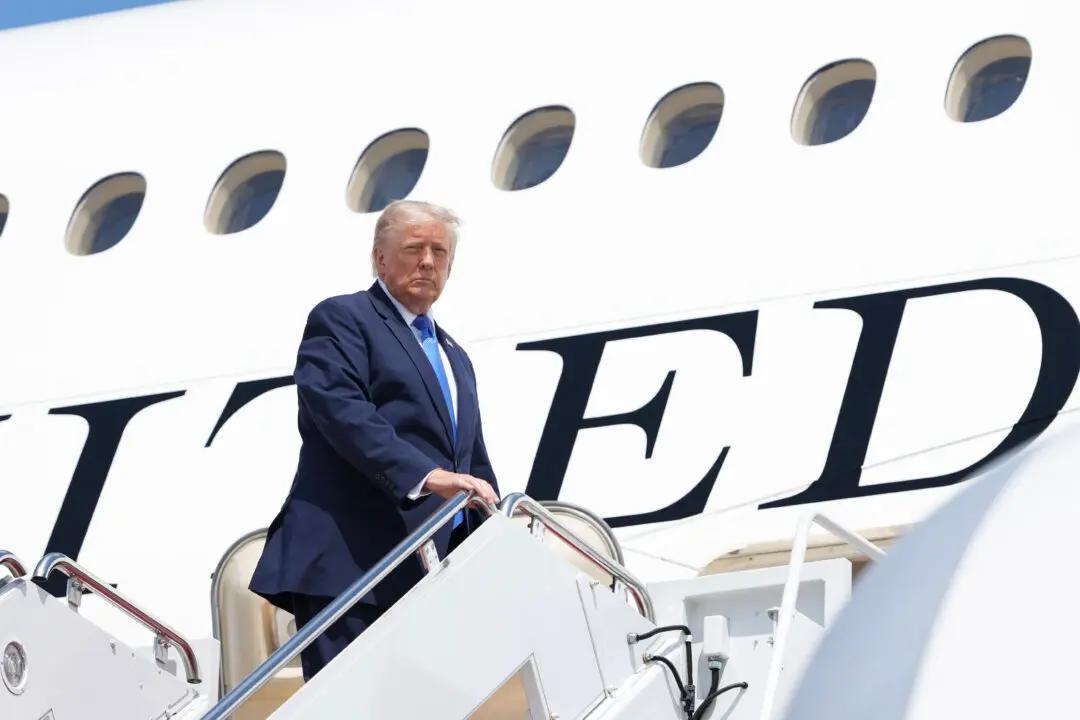
The Treasury chief said the economy remains strong, while Trump predicted that energy prices would drop quickly.
Energy disruptions related to the Middle East conflict risk a recession-like slowdown and elevated price pressures.
‘Economic expectations will likely improve after consumers gain confidence’ the war’s supply disruptions have ended, the consumer surveys director says.
The inflation spike was not a surprise, but observers are waiting to see if price pressures will persist.
It is fair to say that the excitement about the upcoming quarterly announcement season is building, so we have a lot to look forward to in the upcoming weeks.
Those aged 18 to 20 will gradually transition to full adult pay.
Newest data could add to the Federal Reserve’s worries about inflation expectations.
Investor sentiment weakened as Iran denied negotiations and renewed strikes with Israel, keeping oil elevated and equities under pressure.
The Federal Reserve’s Christopher Waller and Michelle Bowman thought rate cuts were possible this year—the markets disagreed.
ABS figures show the unemployment rate was 4.1 percent in January.
Investors trim their bets on interest rate cut expectations.
‘The Reserve Bank’s forecasts are not forecasting a recession in our economy. Neither are the government’s,’ said Treasurer Jim Chalmers.
A 100-year-old Levant pipeline bypassed the Gulf chokepoint. With tankers halted and prices soaring in 2026, an abandoned route could be key to energy security.
This is the first series of rate increases since December 2024.
Tariffs also played a role as the average price of a new car sold rose 3.4 percent from a year ago.
‘That would be the exact same as last year’s COLA of 2.8 percent,’ a seniors group said.
All eyes will be on next month’s consumer price index report because of the Iranian conflict.
A prolonged conflict would further delay ships in the Strait of Hormuz, leading to product shortages and higher production and transportation costs.
Businesses suggest that prices will ‘rise at a somewhat slower pace in the near term.’