Treasury Secretary Scott Bessent said the U.S. economy could grow more than 3 percent this year despite disruptions from the Iran war, while President Donald Trump said energy prices would soon fall sharply, limiting inflation risks.
“I think the underlying economy remains strong,” Bessent said on April 14 during a Wall Street Journal Opinion Live event in Washington. “I do think that the growth could easily exceed 3 percent, 3.5 percent this year, still.”
Trump, in an April 15 interview with Fox News, said the economic hit from the conflict would be temporary and that oil and gasoline prices would fall sharply once the fighting subsides.
“If you told me that we were going to be at only $92 a barrel, I would have been very surprised,” Trump said, referring to the approximate level at which U.S. oil prices have been hovering over the past day or so. “It’s going to come dropping down very big as soon as it’s over.”
US Outlook Diverges From Global Gloom
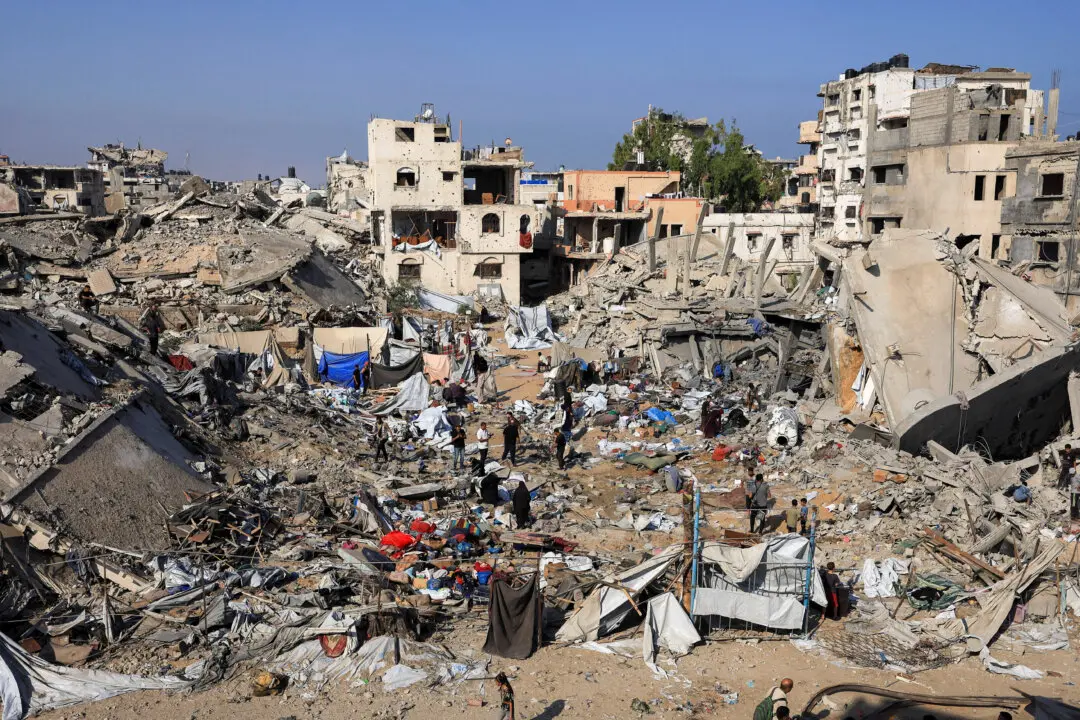
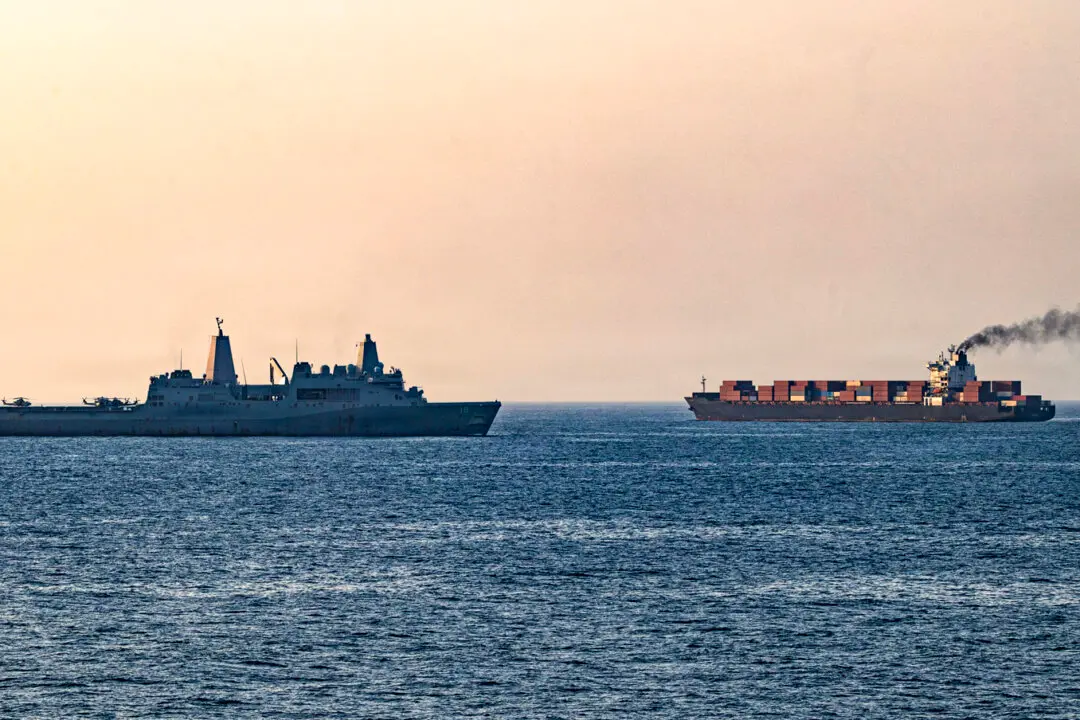
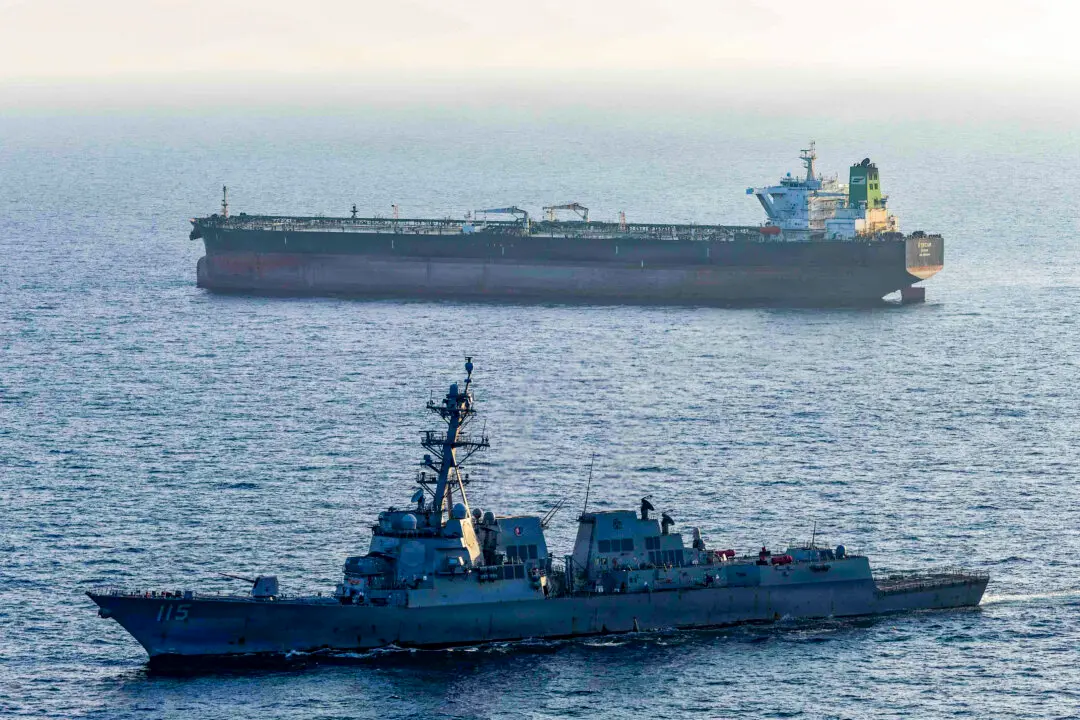
The IMF said in its latest economic outlook report that the war—now disrupting a significant share of global oil and gas flows—has halted previously strong growth momentum and introduced unusually high uncertainty across markets.
It forecast U.S. growth at 2.3 percent this year, only slightly below earlier projections, but well below Bessent’s more bullish estimate.
The Treasury chief dismissed the more cautious outlook from international institutions as overly pessimistic, arguing that underlying economic fundamentals remain solid despite higher oil prices and global volatility.
In an interview with CNBC on April 15, he said the economy would be slower this quarter but remains in good shape and is expected to rebound.
He added that incoming micro data points continue to show strength and suggested that rising oil prices have not yet significantly fed into inflation expectations.
“We’ll be looking ... to try to keep the retail gas stations honest—that you did this on the way up, better be doing this on the way down,” Bessent said, signaling a focus on consumer fuel costs.
The IMF has said that the war represents a major negative supply shock, with higher energy costs raising prices across goods and services.
In the IMF’s worst-case scenario, global growth could fall to around 2 percent, a level historically associated with recession-like conditions, while inflation could climb above 6 percent.
Despite those risks, the IMF said the United States is likely to fare better than most advanced economies, supported by tax cuts, earlier interest rate easing, and strong investment in artificial intelligence infrastructure.
Still, it cautioned that persistent high oil prices could force the Federal Reserve to tighten monetary policy again if inflation expectations become unanchored.