The added costs on shipments of food and plants to the UK are part of the post-Brexit import controls system.

The slowdown of food price inflation comes amid significant cost pressures on retailers and a slightly improving consumer confidence.

Geopolitical tensions and industrial action in Britain have contributed to negative growth in several sectors of the economy.
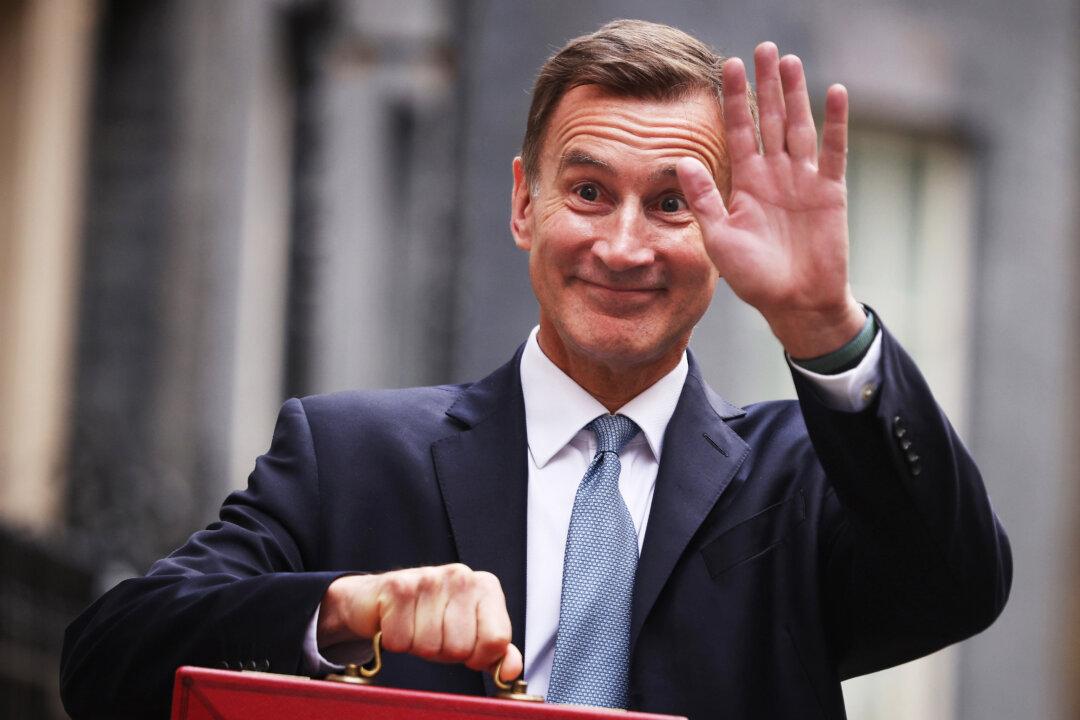
UK economic inactivity remains elevated, and inactivity due to long-term sickness, exacerbated by impact of the COVID-19 pandemic, remains historically high.

The Treasury should refrain from slashing taxes until it provides more detail on its spending plans, economists have warned.
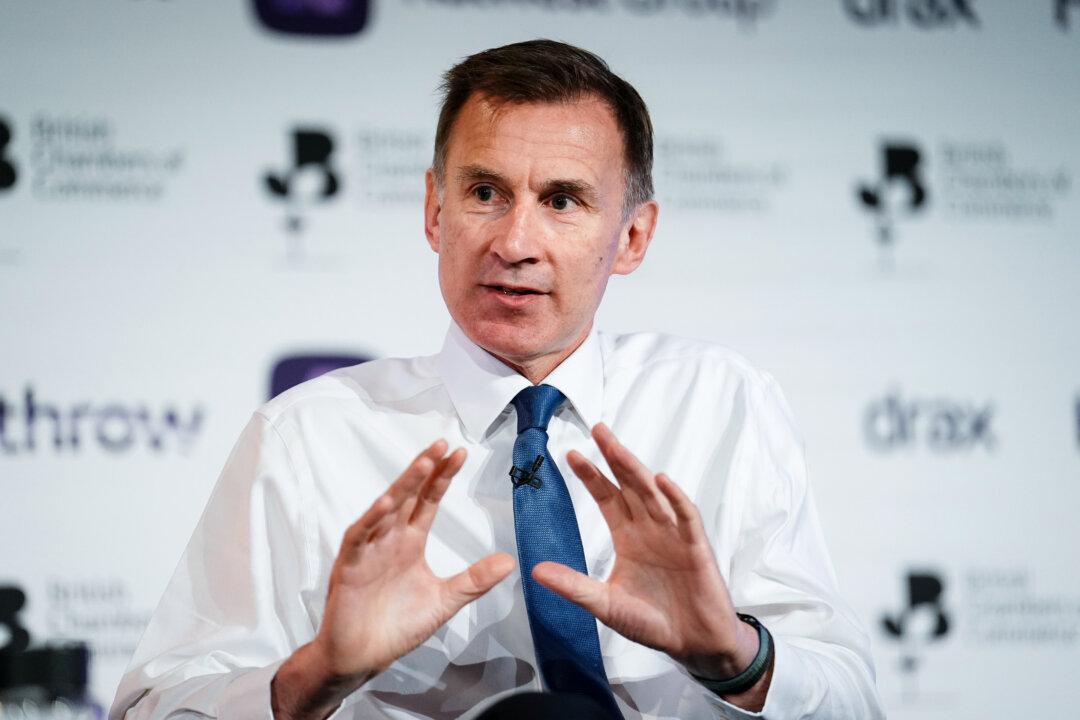
British lawmakers have been warned about the risks of using ‘round number’ talking points when delivering economic estimates.
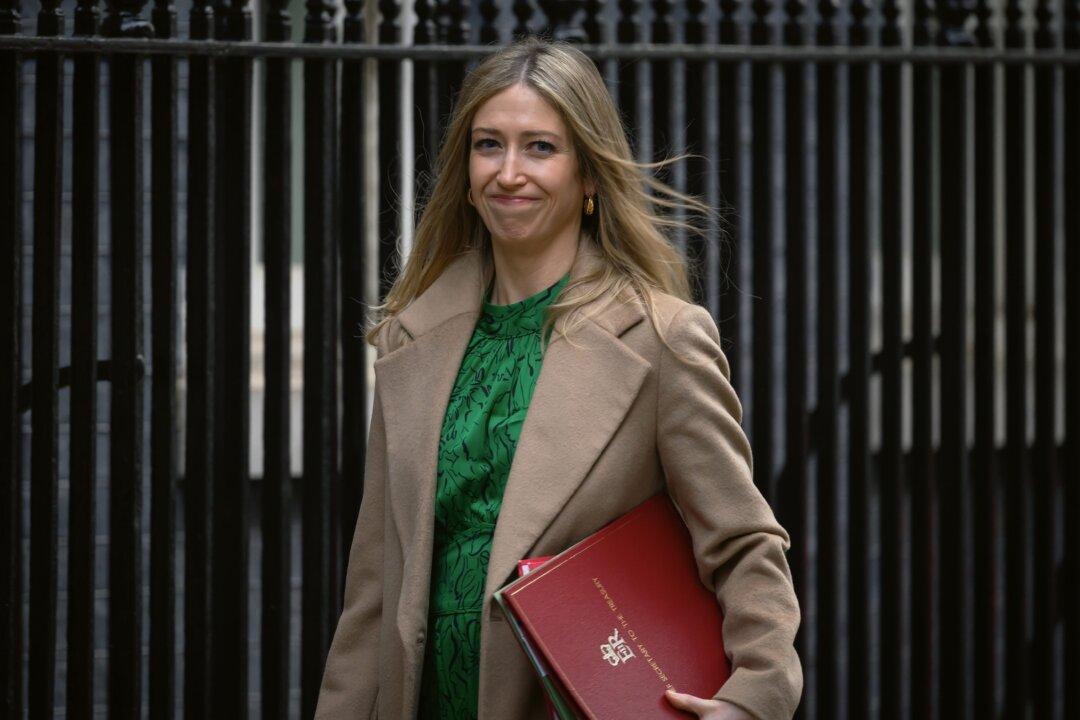
While current economic growth figures fit the definition of a technical recession, economists have described it as mild and predicted growth in 2024.
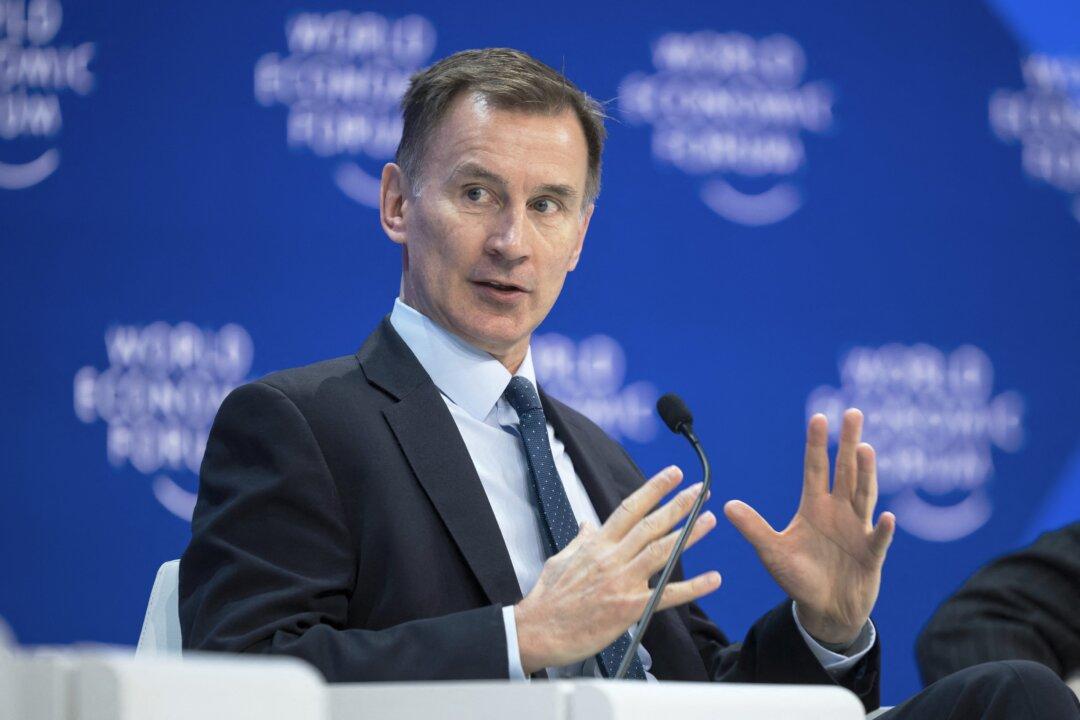
Economists have cautioned against lowering interest rates before May and only doing so gradually thereafter.
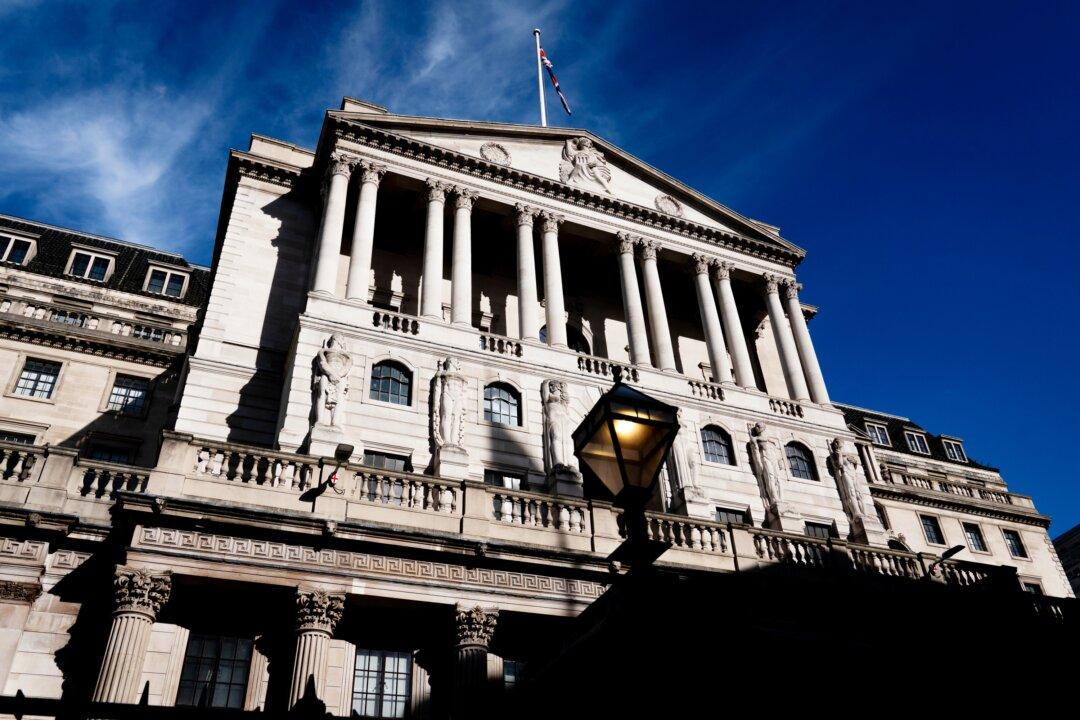
Economists are concerned with the historically high numbers of people saying they are long-term sick, which drives up the levels of economic inactivity.
A Lords select committee has been taking evidence on whether the government’s fiscal rule in relation to national debt is ‘fit for purpose.’

IMF’s advise comes at a crucial political point for the government that’s ambitious to announce tax cuts ahead of this year’s general election.
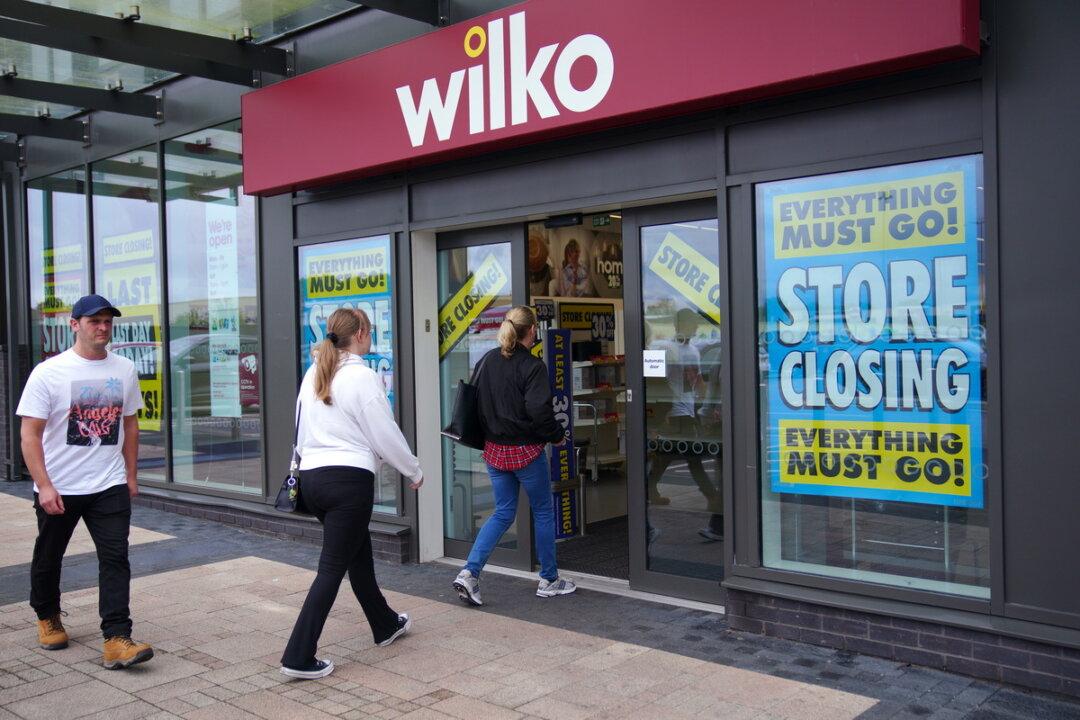
Businesses across the country have been hit by high cost of utilities, labour, and tax, as well as high inflation and interest rates.
The scheme, under which tourists can claim back tax on goods purchased in the UK, was stopped in 2021 because the government didn’t think it could afford it.

A drop in government borrowing may give the Treasury fiscal headroom to announce cut tax measures this spring, ahead of the looming general election.
Barclays, Santander, Halifax and HSBC are among lenders offering lower mortgage costs, according to latest figures.

A wide-ranging slump across the economy comes as bad news for Rishi Sunak who has pledged to grow the economy this year.

Labour warned that a ’misallocation' of capital could lead to damaging growth, after Labour laid out its net-zero plan to create a state-owned energy company.
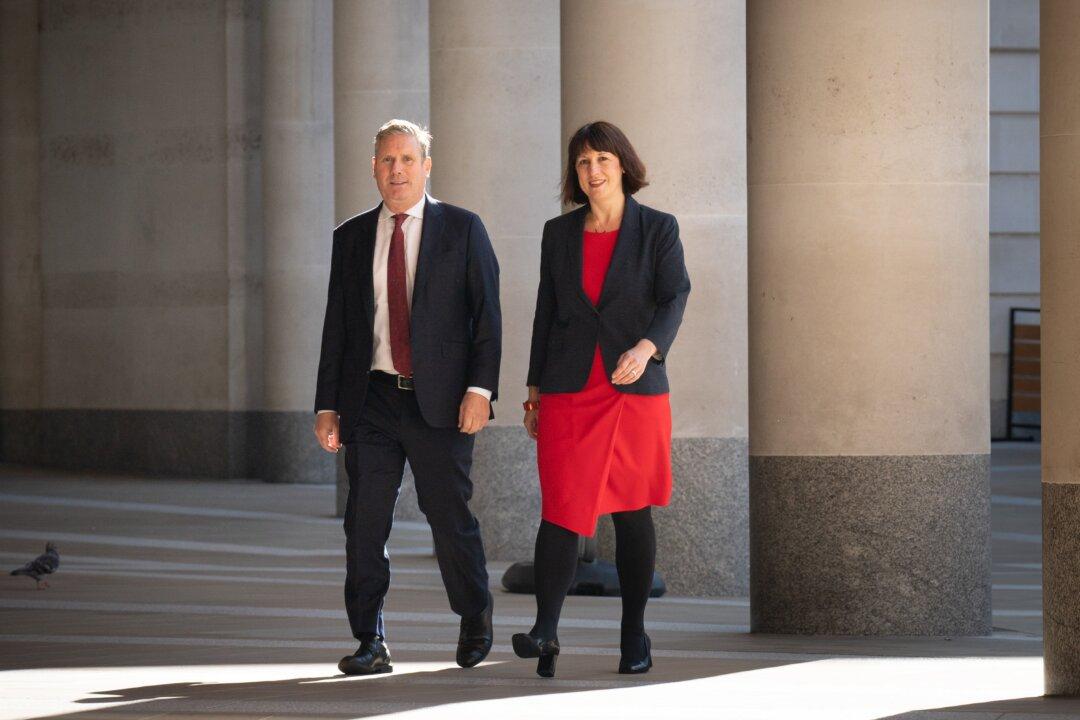
The chief secretary to the Treasury has warned that given the high spending on government debt, now ‘is not the time to ask for tax cuts.’
Many mortgage-holders are yet to experience the impact of the bank’s two-year long cycle of interest rate hikes, paused in September.

Leading economists have warned that there was little room for tax cuts or increased spending at a time when the UK economy ’remains stuck.’