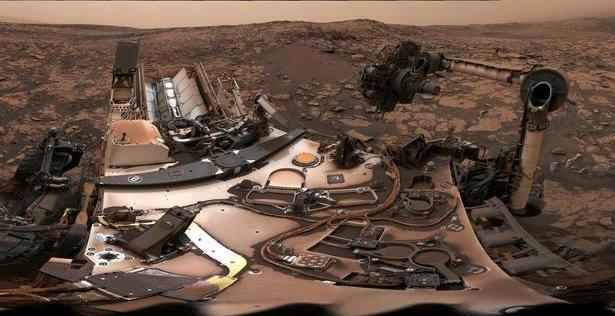
NASA’s Langley Research Center recently provided a glimpse of what living on the Red Planet could look like.
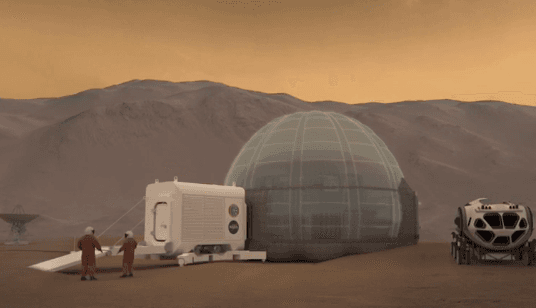
Earth may have its truly uncomfortable bouts with polar vortices, but even on the coldest day, its got nothing like on Mars.
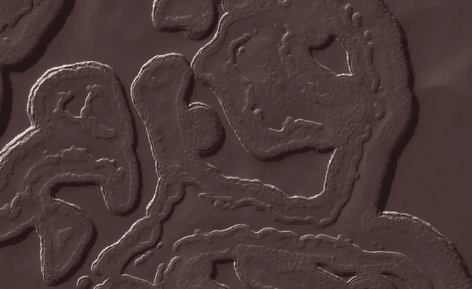
Take a tour of this really ancient plateau on Mars.
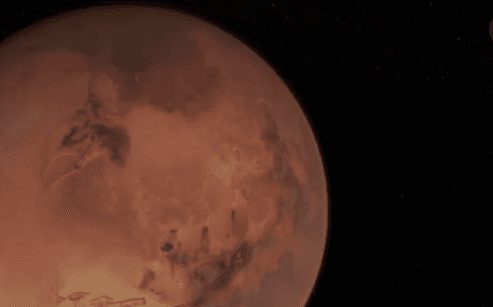
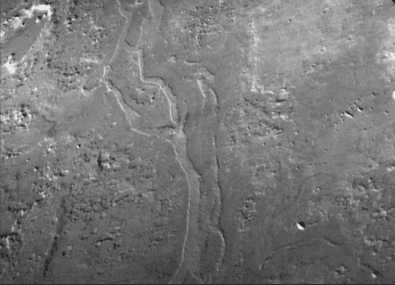
A new study out of the U.K. has found evidence that large rivers once flowed in the Arabia Terra section of Mars, indicating that the planet could have been ‘warm and wet’ around 4 billion years ago.
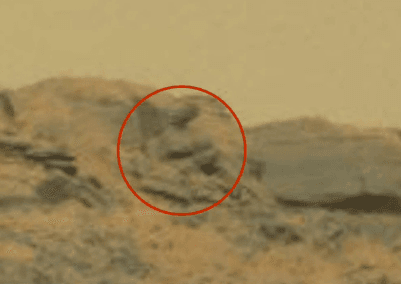
Some are heralding the discovery of an ancient Buddha statue on Mars as proof the Red Planet once hosted an advanced civilization.
Curiosity’s hard work has once again proven to pay off, turning up evidence that liquid water quite likely exists on Mars at this time.

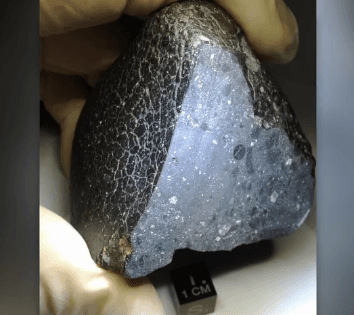
The 4.4 billion-year-old meteorite is like nothing ever discovered on Earth and gives researchers insight into the makeup of the Red Planet’s surface.
Astronomers world-wide are gearing up for what NASA calls a “once in a lifetime” event: the Comet Siding Spring will swing past Mars on its maiden voyage through the solar system in the early hours next Monday (AEDT), and thanks to a fleet of spacecraft and rovers on and around the Red Planet, we’ll have a front row view.