For Confucius, to follow what the ancients called the Mandate of Heaven was a way of life, the way of the superior man.

All were arrested. Legalism demands blind obedience, so anything the people said was irrelevant at best, rebellious at worst.

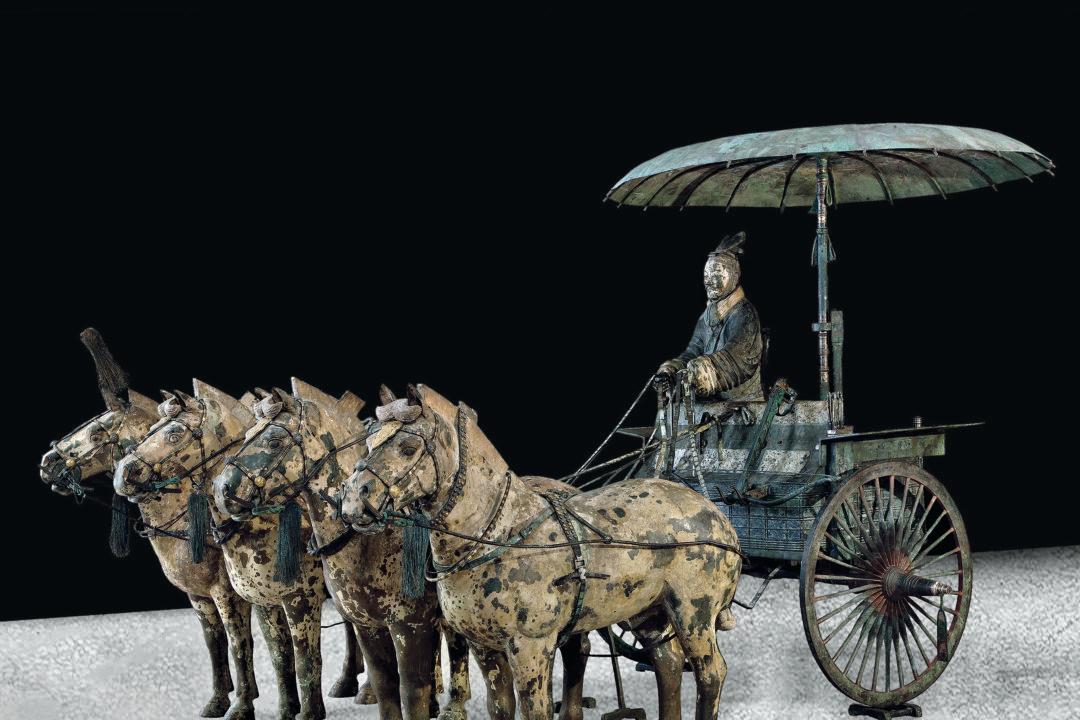
The Chinese idiom 馬到成功(Mǎ Dào Chéng Gōng), which literarily means attaining success upon arriving on a horse, can be found in literary works of the Yuan Dynasty (A.D. 1279–1368). However, a related story can be traced back to the Qin Dynasty (221–206 B.C.).

The Chinese idiom “point to a deer and call it a horse” refers to confounding right and wrong.