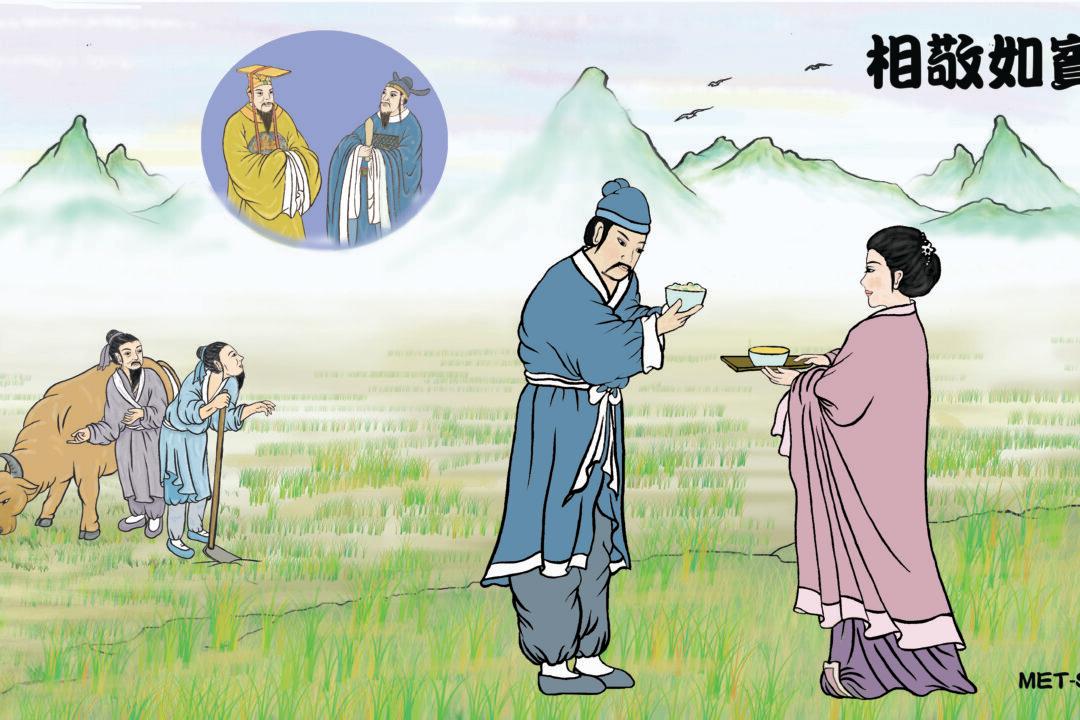
This idiom is used to describe how a couple should treat each other with mutual respect.
Ling Mengchu (A.D. 1580–1644) was a famous author from the Ming Dynasty (A.D. 1368–1644). He is best known for his collections of short stories, which were detailed studies of morality in the 17th century.

The Chinese New Year in 2014 is celebrated on Friday, Jan. 31, marking the beginning of the Year of the Horse in the Chinese zodiac.

The Chinese idiom 馬到成功(Mǎ Dào Chéng Gōng), which literarily means attaining success upon arriving on a horse, can be found in literary works of the Yuan Dynasty (A.D. 1279–1368). However, a related story can be traced back to the Qin Dynasty (221–206 B.C.).

While saying farewell to the celestial dragon, we welcome the intelligent snake. Chinese New Year in 2013 falls on Sunday, Feb. 10— it is the Year of the Snake.

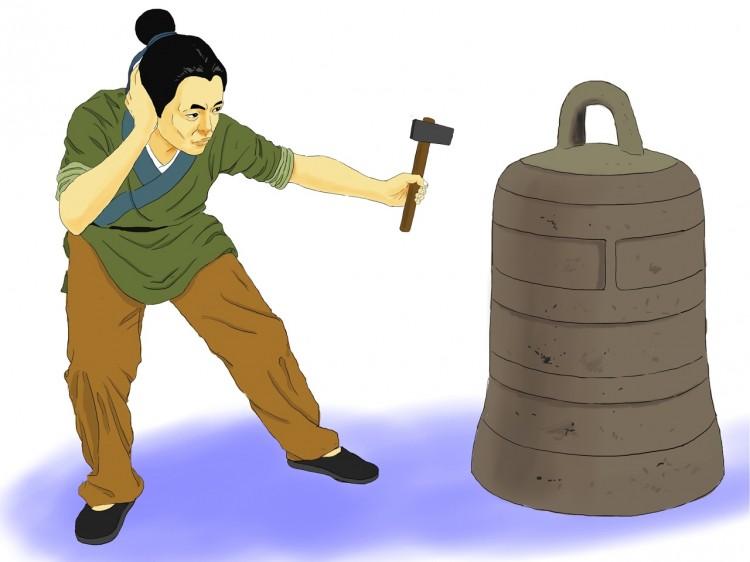
In a story from the Spring and Autumn period (770–221 B.C.), a thief broke into a rich family’s house in order to steal a big bell.