There’s a potential solution for ocean pollution.

For the first time, researchers attempted to measure all the material leaving and entering a mountain range over more than a million years and discovered that erosion caused by glaciation during ice ages can, in the right circumstances, wear down mountains faster than plate tectonics can build them.

Warming ocean temperatures found a third of a mile below the surface, in a dark ocean where not much lives, may not draw much attention.

One proposed way of dealing with climate change includes fertilising the oceans with iron.

Materials in the thin film on the ocean’s surface may affect ice cloud formation and thus climate on a global scale, especially when other known ice-forming particles like mineral dust are scarce or absent.
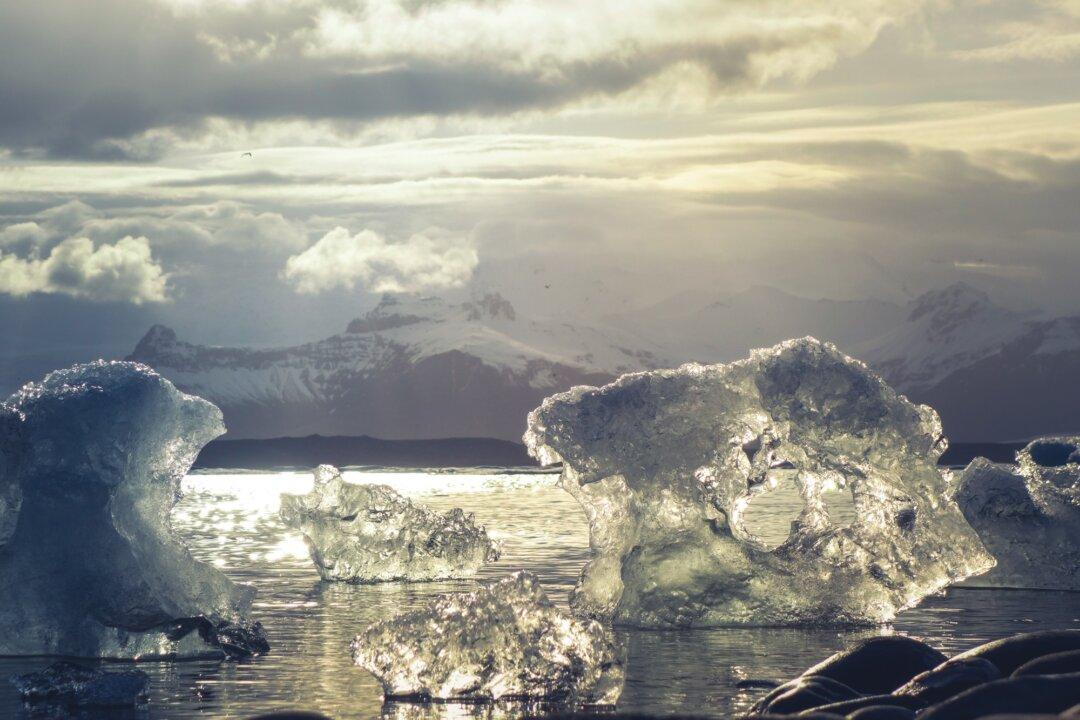
A period of abrupt climate change 12,000 years ago occurred rapidly in northern latitudes but much more gradually in equatorial regions, report researchers.

One of Canada’s top marine biologists is comparing the harm wrought by the accumulation of plastics in the world’s oceans to the warnings about the pesticide DDT in the famous 1962 book “Silent Spring.”

Researchers for the first time have used seismic sensors to track meltwater flowing through glaciers and into the ocean, an essential step to understanding the future of the world’s largest glaciers as climate changes.

To discover what gives clouds above the Southern Ocean their brightness, scientists took a close look at tiny drifting organisms in the sea below.

Mountain climbers typically carry tanks of oxygen to help them reach the summit.

The success of corals that adapt to survive in the world’s hottest sea could actually contribute to their demise.

A new study attempts to place a value of goods and services afforded by the ocean, estimating that if the planet’s seas were classified as a country, it would rank as the world’s seventh largest economy.
Boobies, like albatrosses, can be forgiven for feeding plastic to their chicks, because they think it’s just another nourishing bounty from the sea.