These eco-friendly homes use energy efficient appliances and boast clean air and a comfortable living space.
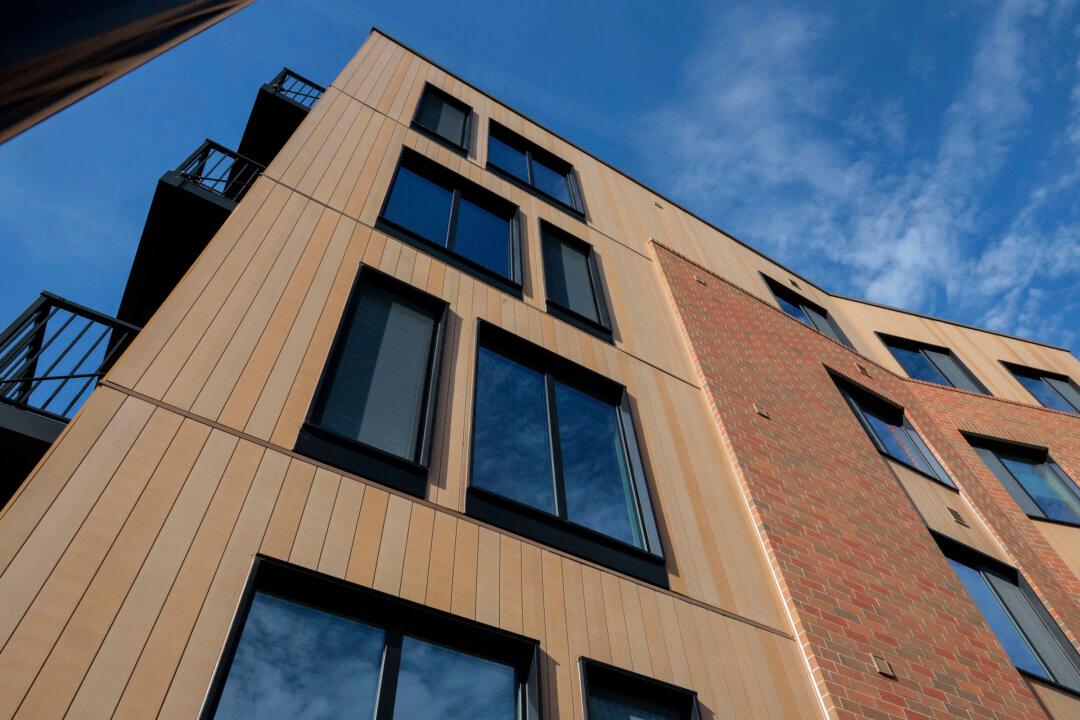
The latest advance used to help design new buildings and conserve our historic ones is a range of 3D modelling technologies.

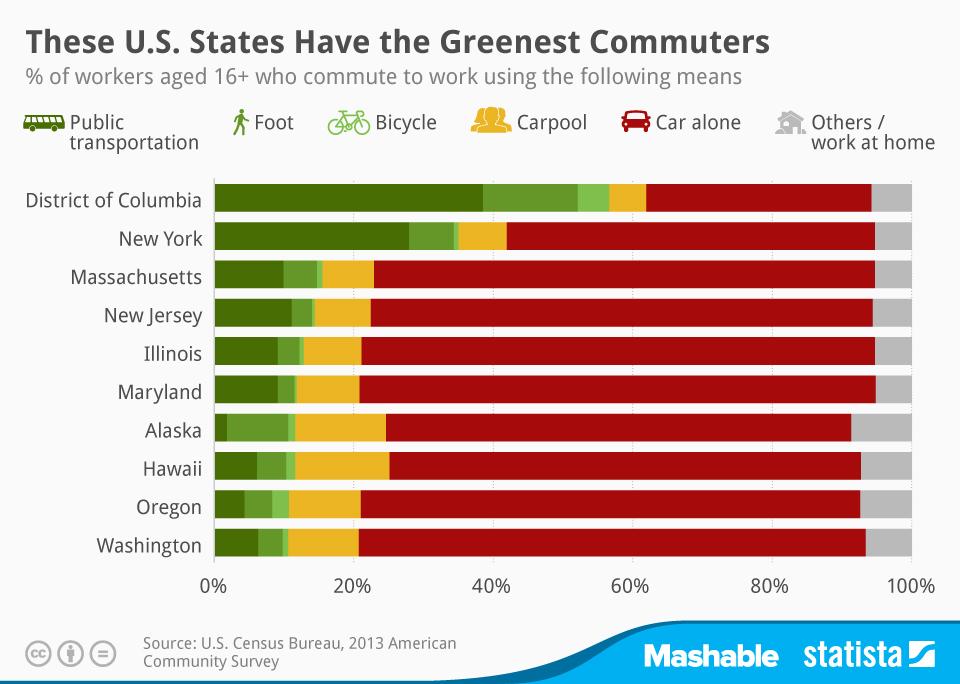
While the vast majority of U.S. workers still use a car to commute to work, there are differences across states. The greenest commuters live in the District of Columbia, in New York and in Massachusetts, where 57 percent, 35 percent, and 15 percent of commuters use public transportation, ride a bike or simply walk to their workplaces. On the opposite end of the scale, we find the southern states of Tennessee, Mississippi and Alabama, where more than 9 in 10 commuters use a car to get to work, while less than 1 percent of workers use public transportation.
Filmmaker and DIY wizard Dave Pagan Butler is spearheading a new trend in ecological swimming pools.

With so much goodness crammed into such a small package, these svelte morsels positively glow with green energy! Instead of using just nuts and fruit as a base, I deviated from the traditional formula to include a generous helping of protein powder, infused with greens no less. Shockingly sweet and tasty for something that looks so grassy.

The electricity transmission network is the backbone of the electrical system, a key asset in the energy transition. It must both adapt to the means of production and meet consumption needs to ensure a sustainable balance between the supply and demand of electricity.

Legend has it that “viking chess,” or Kubb (Swedish for wooden blocks), is a 1,000-year-old game originally played with leftover firewood bits or the bones of viking enemies. It could also be of French origin. Or it could just be a few decades old.

Many fuel-saving tips advise driving slowly, but you should actually often drive fast to save fuel and minimize the impact on the environment. Driving slowly works to save fuel on an individual level, but if you’re hoping to drive green, this strategy can cause drivers on the road with you to burn more fuel, so it doesn’t help cut emissions in the bigger picture. Here are six tips to speed up your whole commuting community in a green fashion, as recommended by Traffic Technology Today: Traffic lights: Anticipate the green light (have your passengers help you), be in gear and prepared to drive away promptly. Don’t keep too much distance between cars. Don’t overly slow down for a red light, it might turn green soon and you would have slowed down for nothing. Make use of smart in-car traffic light technology or get a traffic light app on your navigation system. Roundabouts: Stay in one lane, if possible, and use your turn signal to indicate your direction so others won’t stop needlessly for you. Highways: Accelerate on the entrance ramp to merge at the appropriate speed for that highway. Choose your lane wisely; don’t stay in the outer lanes if you don’t need to. Don’t use your brakes if you don’t have to; try to anticipate slow driving far ahead and reduce speed gradually as needed. If exiting, don’t slow down on the highway; wait until you are on the exit ramp to decelerate. Two lane roads: Don’t hold up other drivers; stop and let them pass if you can’t maintain the posted speed limit. Curves and crossroads: Don’t slow down more than you need to for safety; make sure others can pass you when turning off the road. Cyclists and pedestrians: Should clearly signal turns; it is not necessary to press the button for crossing if you don’t plan to wait for the light to turn green to cross. When no other drivers are in sight, experiment with these funny old fashioned green drivers’ stratagems (mind you, only when you are alone on the road of course, we don’t want to instigate congestion): Drive slower Accelerate steady on entrance ramps. You will hit the highway at a relative slow speed Decelerate on highways way before the exit ramp (to avoid braking) Accelerate slow from a traffic light Turn engine off at red traffic lights Reduce speed going uphill and increase speed going downhill

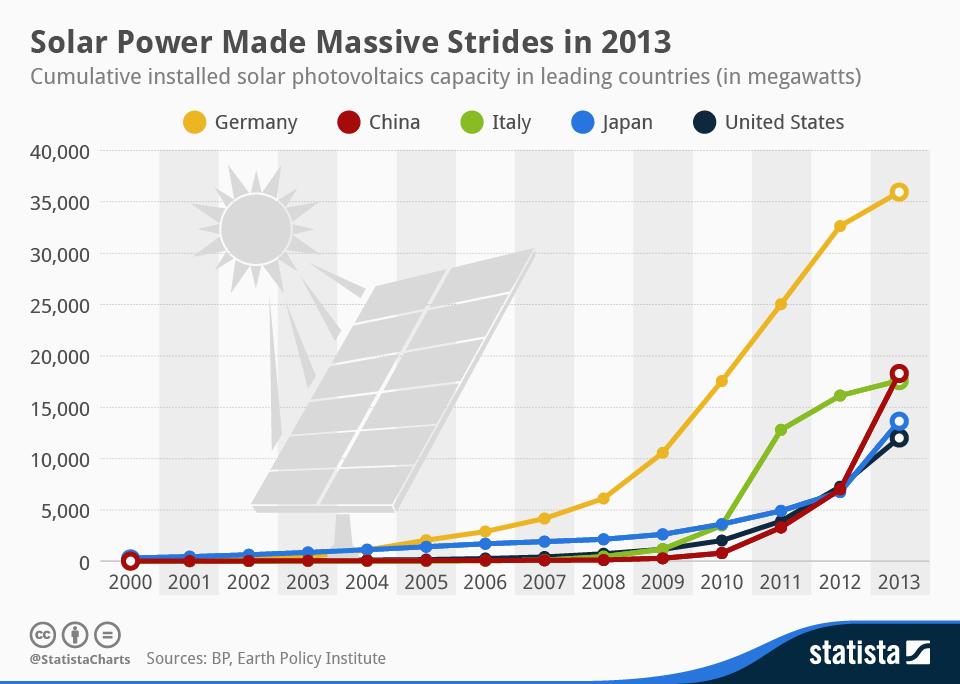
The past two years have proven extraordinarily successful for the solar power industry. In fact, during that period alone, new worldwide solar capacity almost matched the amount created since the invention of the solar cell.
The willingness to pay for sustainable products has increased universally since 2011. On a global scale, the percentage of consumers willing to pay a premium for sustainable products and services increased from 45 percent in 2011 to 55 percent in 2014. Surprisingly however, the willingness to pay more is the lowest in the richest parts of the world, namely North America and Europe ...

The Department of Housing and Urban Development announced the winning design for a project to protect part of the Lower East Side from future floods.

In Green Living City Broekbakema Lab tries to find balance, and at the same time create a vibrant and sustainable urban living environment.

In just four years time, bright colored, bright minded accreditation company Conscious Consumers boosts 30.000 likes on Facebook.

A Dutch system decreases traffic jams on busy roads and cuts pollutant emissions from cars by three quarters by helping cars cruise through traffic lights without stopping.