China’s imports have fallen 3.9 percent in defiance of analysts’ predictions. That’s going to impact Australia’s company tax receipts and the entire budget.

The two leaders met on the sidelines of the G20 to discuss trade as Beijing braces for impending tariffs from the incoming Trump administration.

The prime minister said his only motive for opposing the president-elect’s tariff plans is Australia’s national interest.

While U.S. tariffs on imports from China will cause problems for Beijing, the flow-on effect for Australia is not likely to be that great, according to experts.

Prime Minister Albanese met with his Chinese counterpart Li Qiang on the sidelines of ASEAN.

Despite Canberra working hard to build a stronger relationship with Beijing, there remain significant trade barriers to Australian goods.

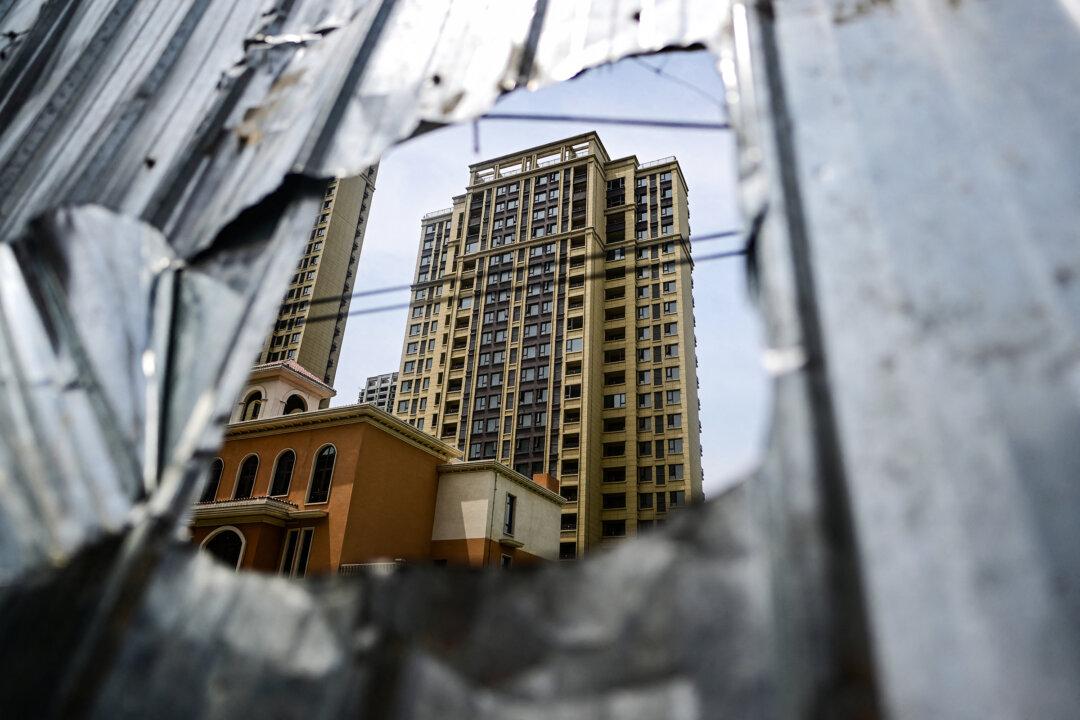
The sale value of new houses across 70 of China’s largest cities fell by almost 26 percent last month compared to 12 months ago, reducing demand for iron ore.
Aside from announcing the signing of a range of bilateral agreements, the leaders of China and Australia offered little beyond statements of goodwill.
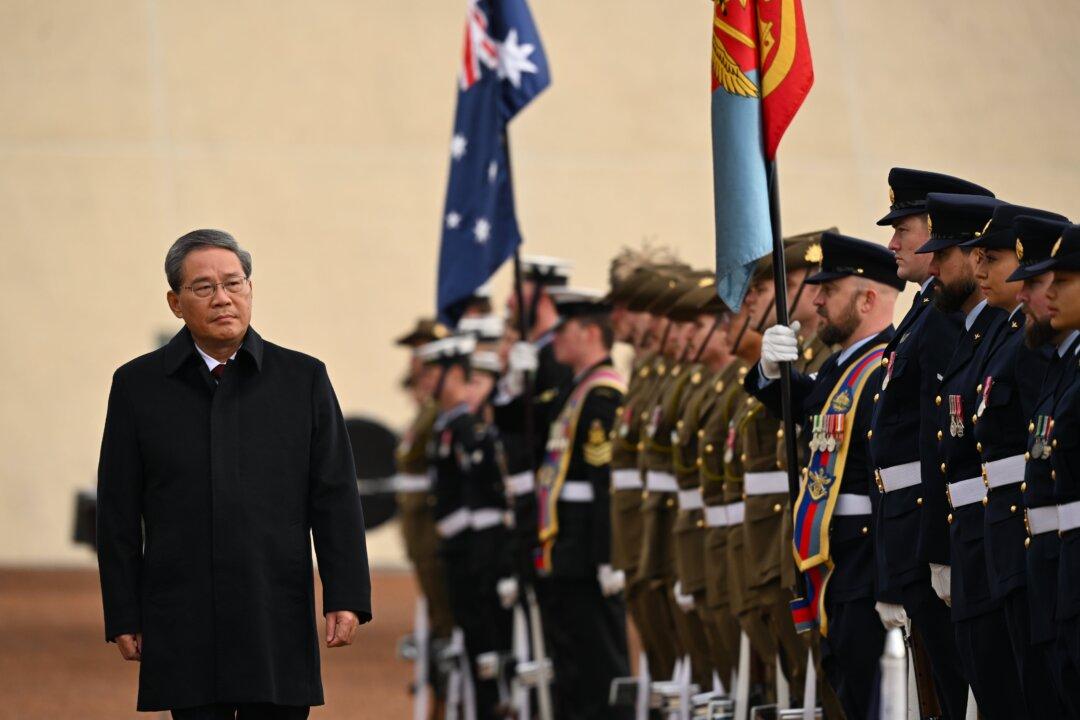
‘While the lifting of the coercive restrictions is welcomed, we must not be fooled into treating it as the main focus of our foreign policy.’

Foreign Minister Penny Wong said the two countries will continue to engage. Meanwhile, Australian writer Yang Hengjun faces a death sentence.
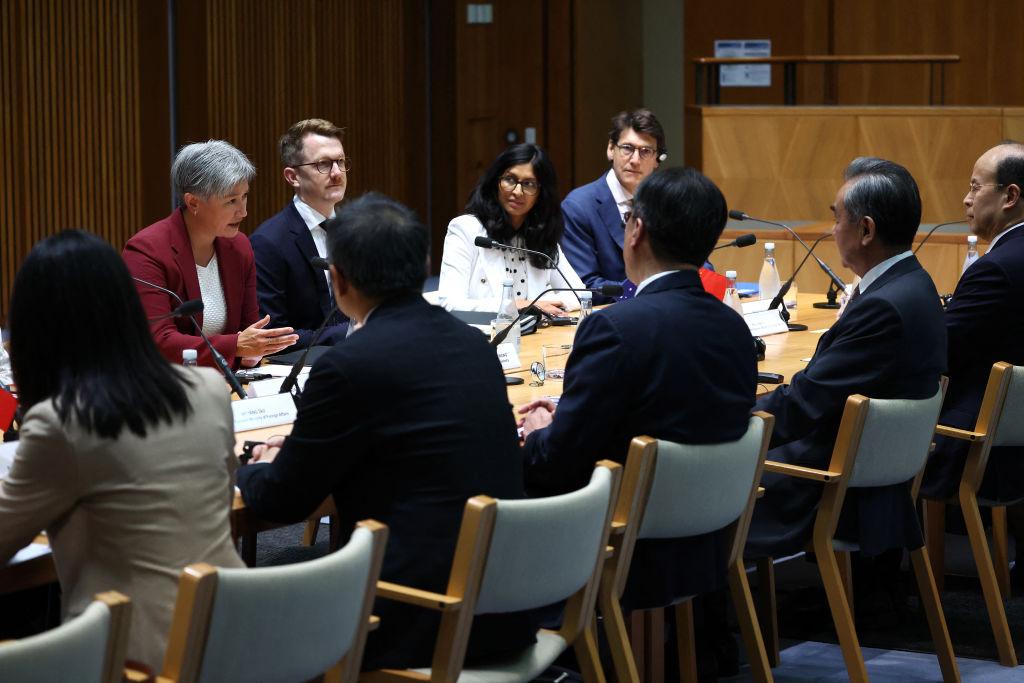
Re-industrialising Australia has been listed as one of the Albanese Government’s top priorities.
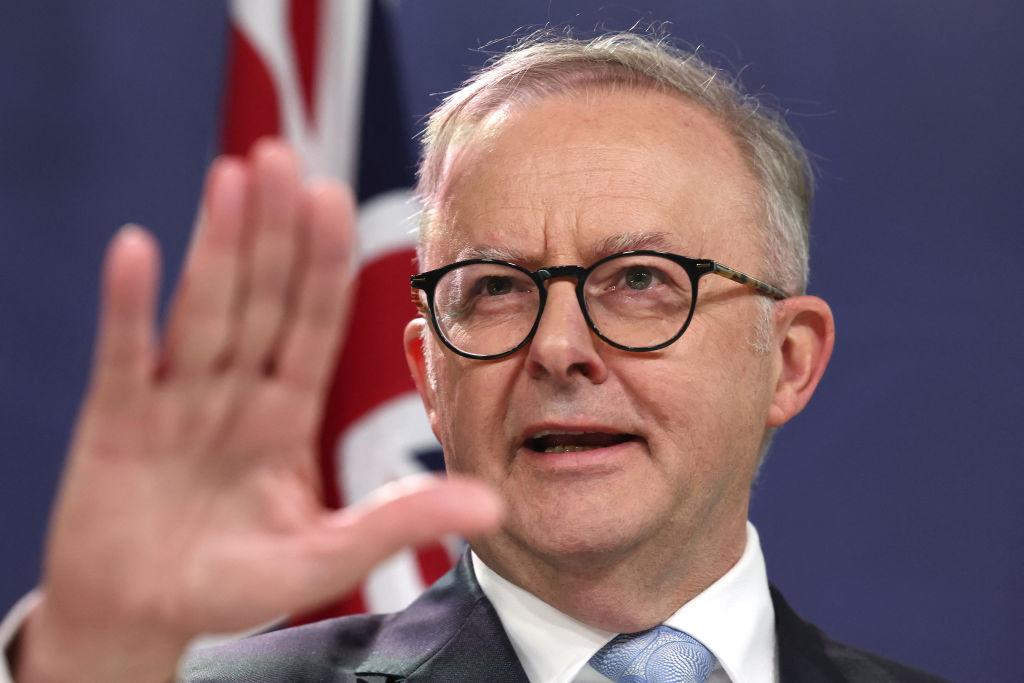
The move comes as Beijing attempts to ease relations with the Australian government.
“I will continue to persevere and press for all outstanding impediments to be removed as soon as possible,” Trade Minister Don Farrell.

“They will describe it how they will describe it ... and that’s not something one would ever have control over,” Mr. Morrison said.