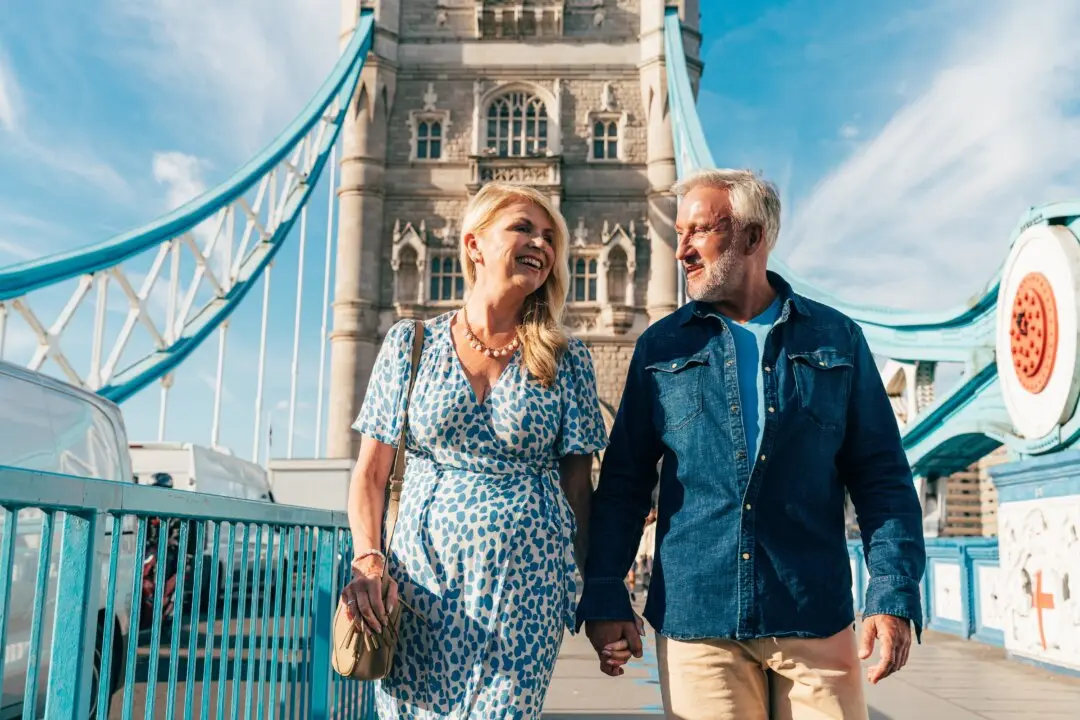
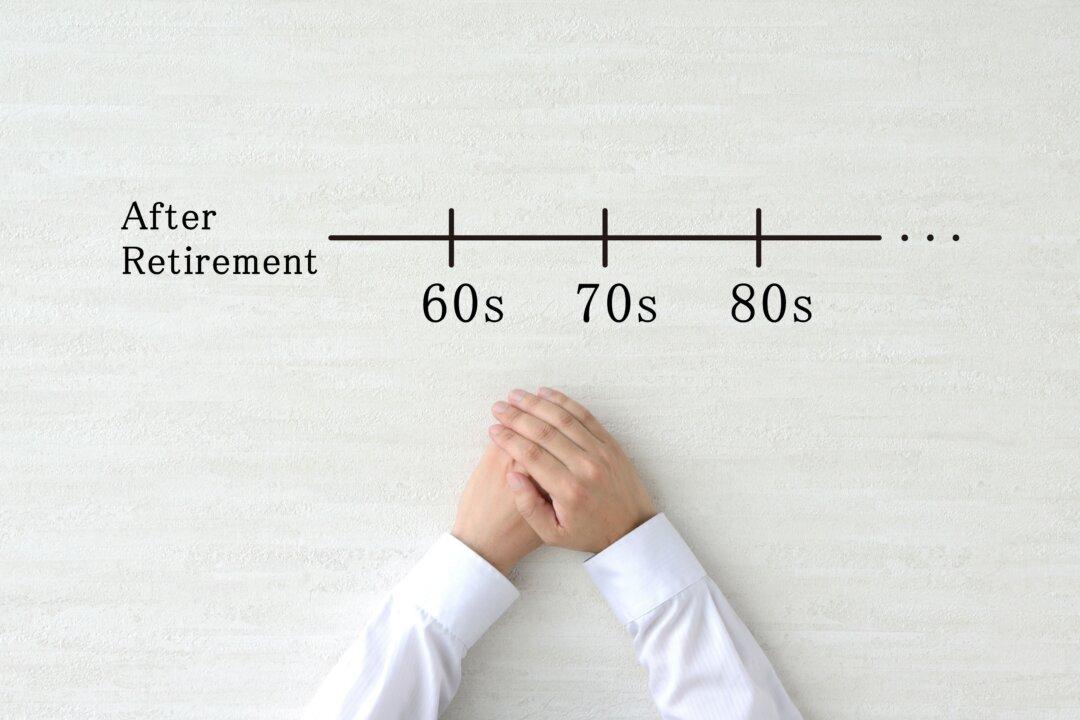
The transition to retirement is more than just a financial milestone; it’s a lifestyle change. Often, nothing reflects that change better than where you live. Retiring allows you to reassess where you want to live and how you want to spend time with family.
Retirees often opt for downsizing to simplify their lives and reduce their expenses. Others, however, upsize for family space, hobbies, or hosting. There are even a few adventurous nomads who choose to forgo traditional housing altogether, abandoning their roots for the open road.
The Case for Downsizing: Less Space, More Freedom
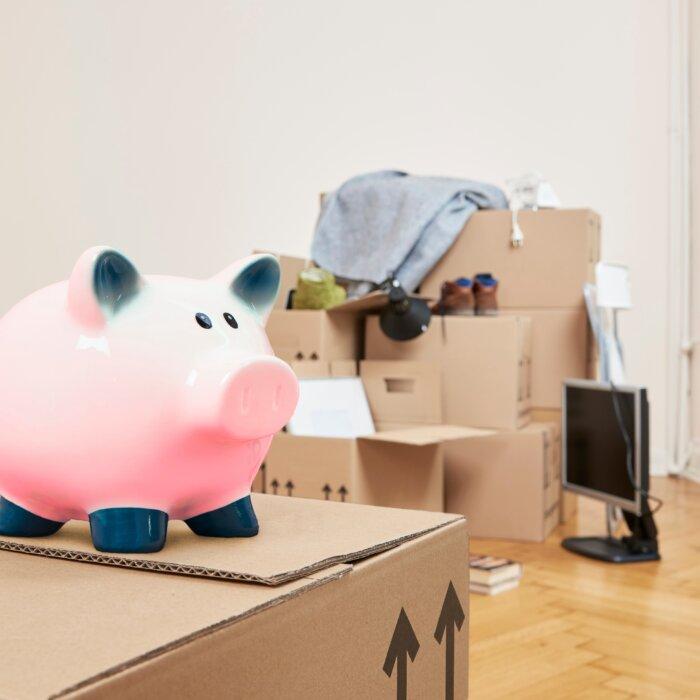
Many retirees find that their family home is no longer suitable for their current stage of life. High maintenance costs, unused yards, and empty bedrooms can become a burden rather than a blessing. Often, downsizing feels like lifting a weight: fewer chores, lower property taxes, and lower utility bills.Why Do People Downsize in Retirement?
When retirees downsize, they don’t just move into a smaller space—they reshape their lives to match this new chapter. Along with financial benefits, there are lifestyle gains too:- Lower housing costs. With a smaller house comes a lower mortgage, or none at all. Additionally, you’ll reduce household costs with fewer utility bills, property taxes, and insurance costs. By doing that, you can create more peace of mind and free up significant cash flow.
- Greater financial security. Retirees feel more secure and prepared for the unexpected when they have fewer expenses.
- Less upkeep. By living in a smaller space, you will have to clean less, do fewer repairs, and spend less time doing chores. As a result, you will have more energy to do the things you enjoy.
- A chance to relocate. Whether it’s moving closer to loved ones, choosing a walkable community, or settling into a climate better suited to your lifestyle, downsizing can also lead to a fresh start.
The Emotional Journey of Downsizing
However, downsizing is rarely purely a logical choice. When you move from a longtime home, you say goodbye to the memories it holds, whether it’s holiday meals, children’s milestones, or even familiar surroundings. Despite anticipating the benefits of retirement, many retirees experience a sense of grief during this transition.The Case for Upsizing: Space to Grow Into Retirement
Not everyone wants to shrink their footprint. After retiring, some retirees find their lifestyle expands. Buying a bigger home, a property with land, or a house for multigenerational living can reflect priorities beyond cost-cutting.Why Do People Upsize in Retirement?
At a time when people are advised to cut costs, upsizing may not be a sensible option. During retirement, however, you may benefit from upsizing.- Hosting family. In a 2024 Transamerica survey, the top dream for preretirees is spending more time with their families and friends. As such, larger homes create space for children, grandchildren, and friends to visit.
- Pursuing passions. Whether it’s woodworking, gardening, or running an Airbnb, hobbies often require a dedicated space to flourish.
- Community and prestige. Retirees may see upsizing as a reward after years of hard work.
The Emotional Journey of Upsizing
At the same time, upsizing comes with its own set of challenges. When you finally accomplish your dream home, you feel a sense of pride. In contrast, others are conflicted about whether a home designed for aging in place aligns with their financial stability or long-term goals.The Case for Going Nomad: Life on the Move
Others view retirement as an opportunity to shake things up rather than settle down. A growing number of retirees are abandoning the conventional home for RV living, digital nomadism, and even living abroad. According to a 2025 Edelman Financial Engines survey, 24 percent of Americans would like to retire as nomads, with 40 percent wanting an “adventurous” retirement.Why Do People Choose the Nomadic Lifestyle?
Rather than living in luxury, the nomadic lifestyle is about having rich experiences:- Adventure. As a result of decades of structure, nomadism offers a sense of spontaneity.
- Variety. Rather than having one home base, retirees experience new places, meet new people, and experience cultures around the world.
- Minimalism. When you live out of a suitcase, you are forced to live simply and intentionally.
The Emotional Journey of Going Nomadic
Freedom from mortgages, yard work, and endless “stuff” is often the attraction of going nomadic. But it also demands resilience. It can be exhausting to travel constantly, logistics can get complicated, and loved ones may worry about your safety.
The Questions Behind the Housing Decision
Whether you’re considering downsizing, upsizing, or going nomadic, the real decision is lifestyle alignment, not square footage. To guide your decision, consider the following questions:- At what stage in my life am I? Would you prefer less responsibility or more time for family and hobbies?
- Is community important to me? How important is having neighbors, family, or friends nearby to you? Or do you prefer being alone?
- What are the financial realities I face? Do you want to free up cash, invest in property, or spend savings on experiences?
- How do I define “home” emotionally? Is it about roots, freedom, or possibility?
- What does my ideal day look like? The lifestyle you envision should be supported by your home, not hindered by it.
Blending the Options: Hybrid Paths
Not every retiree fits neatly into one category. Some people choose a seasonal lifestyle, opting to downsize to a condo while keeping an RV for travel. Others purchase a larger home in a community-oriented neighborhood and rent out rooms for passive income. It’s also possible for some people to start as nomads and settle down after the thrill of constant travel wears off.The Emotional Core of ‘home’ in Retirement
All of these options share the emotional weight of home. Retirement is about more than just quitting work—it is about reimagining who we are. As you approach your second act, your home influences the way you spend time, interact with others, and feel about the years to come.- Downsizing says, “I want less stuff and more freedom.”
- Upsizing says, “I want more space for people and passions.”
- Nomadism says, “I want more experiences and fewer anchors.”
Conclusion: Your Second Act, Your Way
As you approach or enter retirement, the question isn’t just where you will live, but also how you want to live. Your second act of life offers the opportunity to make conscious choices: less clutter, more connection, or more adventure.No matter where you live, whether it’s in a condominium, a sprawling house, or a camper van in a national park, the best retirement home aligns with your definition of freedom, joy, and meaning.
Choosing your second act home is more than just selecting a place to live—it’s a statement about the life you’re creating.