Anyone who has suffered through a hot day has benefitted from the 1902 invention of the air conditioner. The design has changed over the years. However, air conditioners that use the basic concepts of the one invented by Willis Carrier are in widespread use across the world today.
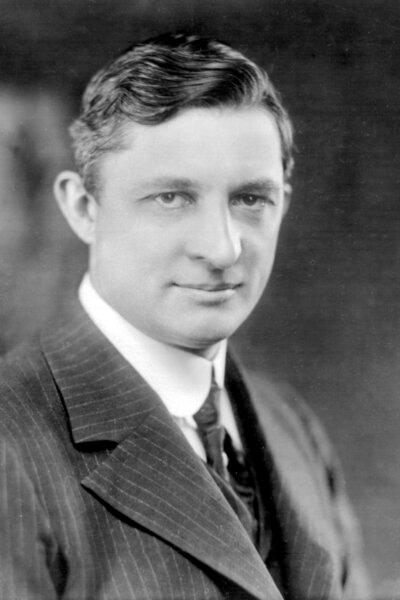
Carrier was born in Angola, New York on Nov. 26, 1876. He studied at Cornell University and graduated in 1901 with a Master of Engineering degree. He then went to work for the Buffalo Forge Company, a company that specialized in heating equipment, as a research engineer. Early in his career, he saved the company over $40,000 a year with the research he conducted.
Fog in a Train Station
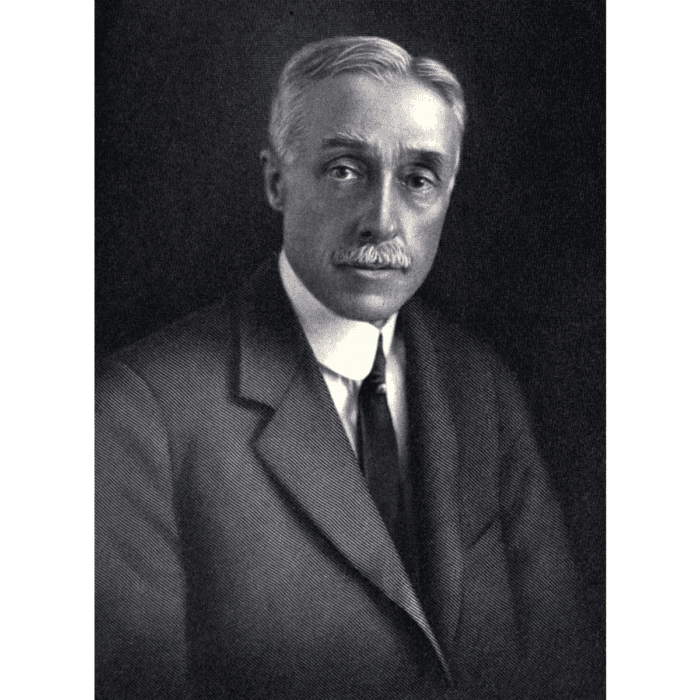
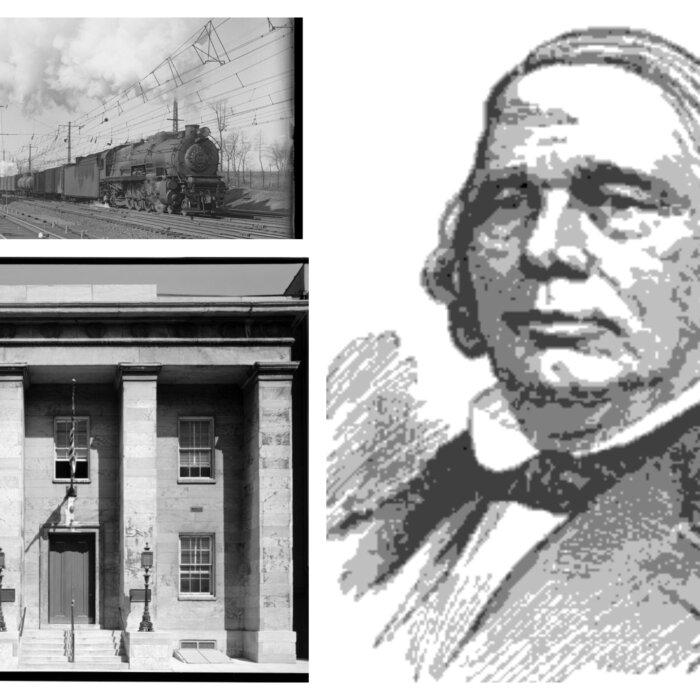
After suffering from a hefty loss of product, the printing company reached out to Buffalo Forge to find a solution. Carrier was put to the task since he had already proved his ingenuity as an engineer. He ran several experiments and unsuccessful tests. One day while standing in a thick fog on a train platform in Pittsburgh, he had a new idea.“If I can saturate air and control its temperature at saturation, I can get air with any amount of moisture I want in it,” he said, according to Americas Best History website. “I can do it, too, by drawing the air through a fine spray of water to create actual fog.”
The Patent
Carrier worked steadily for the next few years on perfecting his creation. In 1906, Carrier was awarded a patent for his “Apparatus for Treating Air” that could control indoor humidity levels with scientific accuracy. That same summer, Carrier conducted more experiments. He discovered the law of constant dew point depression, which explains how air loses moisture as it cools.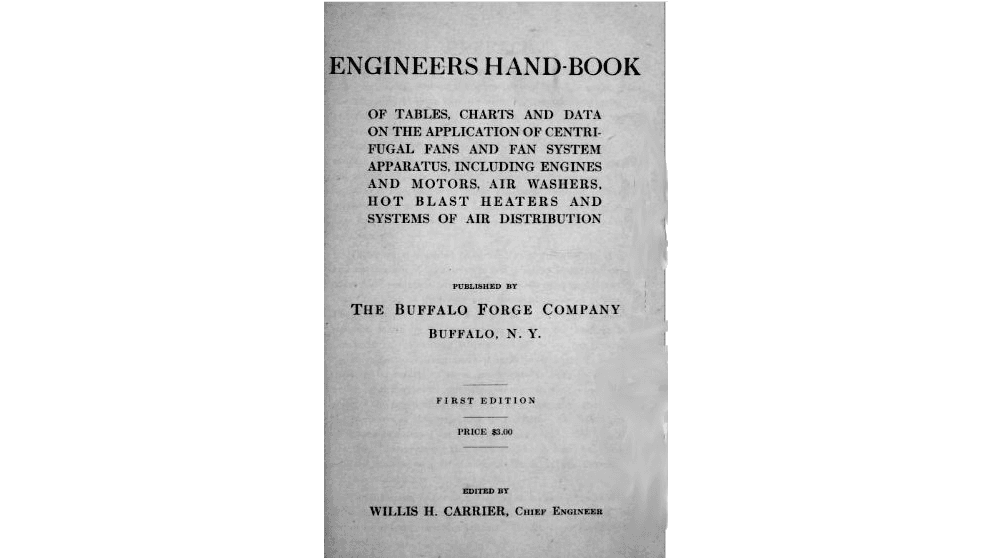
Carrier continued to perfect his invention over the next few years. In 1908, Buffalo Forge opened a subsidiary called “Carrier Air Conditioner Company of America” and made Carrier its vice president.
In 1911, Carrier made further advancements with his invention, which he presented to the American Society of Mechanical Engineers. He showed his peers his newest discovery called Rational Psychrometric Formulae. This defines the relationship between absolute humidity, relative humidity, and dew point temperature.
The Company
Over the next several years, the company grew as they started manufacturing air conditioning systems for commercial buildings and residences all across the world. When the stock market crashed in 1929, the company struggled. In 1930, Carrier merged with Brunswick-Kroeschell Company and York Heating & Ventilating Corporation to form the Carrier Corporation.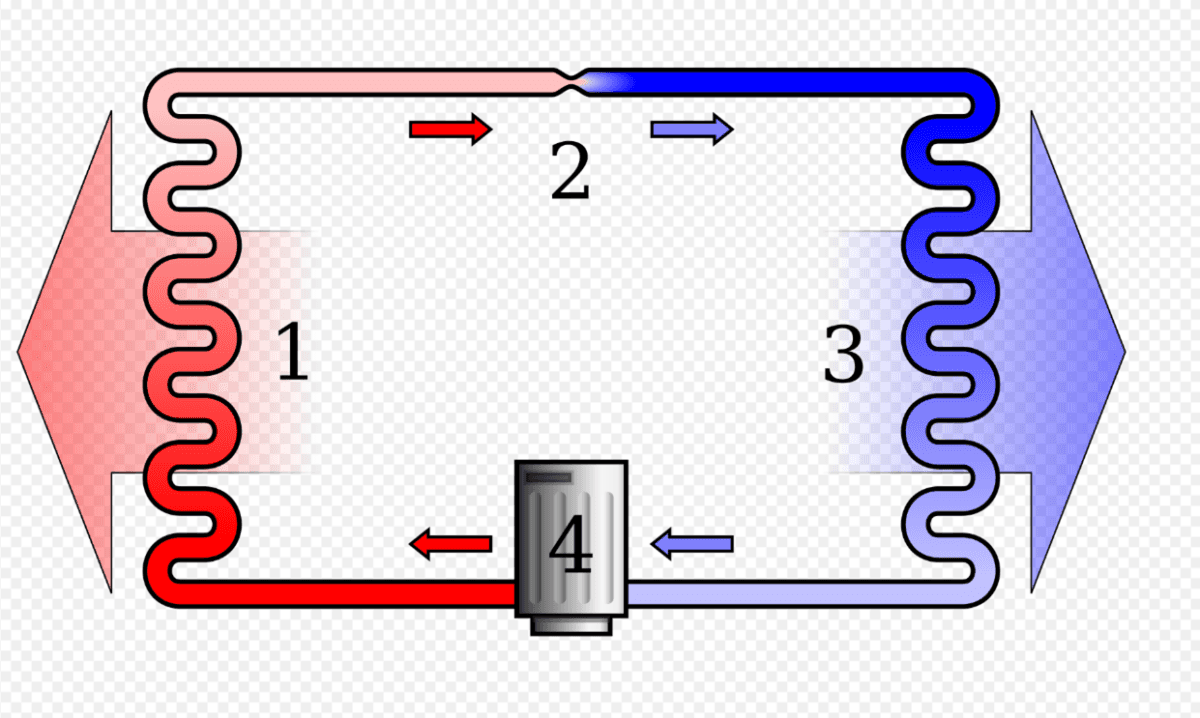
Throughout the 1930s, business increased. Carrier’s company installed air conditioning systems in public places such as movie theaters. In the summer of 1939, the company unveiled its new air conditioning system to the world with an igloo-shaped, climate-controlled pavilion at the New York World’s Fair.
World War II slowed the company’s growth, but business picked up in the economic boom that followed. In the 1940s and 1950s, commercial developers were slow to catch onto the trend; many fiscally conservative bosses thought that air conditioning made workers lazy. But the air conditioning industry boasted that productivity actually increased in air conditioned environments. They released studies to prove it.
Throughout his career, Carrier obtained over 80 patents. His invention became increasingly widespread through the years, even after his death in 1950.
In 1985, Carrier was posthumously inducted into the International Inventors Hall of Fame. Then in 2008, he was honored again when he was inducted to the Buffalo Science Museum Hall of Fame.