
There’s no doubt that your business is your pride, primary source of income, and even your identity. It’s no wonder that entrepreneurs assume that one day they’ll cash out and retire comfortably with their company’s earnings.
The hard truth, though, is that your business is not a retirement plan. As a result, treating it like one can seriously put your future in jeopardy.
The Peril of Banking on the Big Exit
There are many possible exit scenarios, like a sale to a competitor, a private equity buyout, or passing it on to the next generation. Although these outcomes are possible, they’re not guaranteed.So consider these often-overlooked risks:
- Markets shift. In the blink of an eye, a business’s value could disappear owing to economic downturns, tech disruptions, or changes in consumer behavior.
- Buyers may never show. According to the Exit Planning Institute, between 70 percent and 80 percent of businesses listed for sale will never sell. The reason? It’s often due to a lack of transferable systems or too much dependence on the founder.
- Valuations can disappoint. Even if your business is worth millions, buyers may not be interested if it relies on your personal involvement or lacks recurring revenue.
Reality Check: What if It Doesn’t Sell?
Few of us entrepreneurs want to face this question. What happens if you cannot sell your business, or it sells for less than you expected?Entrepreneurs often ignore their personal finances and invest every dollar back into their businesses. The result? The business appears successful on paper. But it doesn’t have enough cash flow or investments to retire comfortably.
Step 1: Separate Your Personal Finances From Your Business
You are not your business. Rather than treating yourself as a founder, treat yourself as an investor. This means:- Pay yourself a market-rate salary. There is value in your time and expertise. Don’t just pay yourself what you need after expenses; ensure that your salary reflects your value in the market.
- Take distributions or bonuses consistently. Whenever your business is profitable, determine how much will be distributed or rewarded as bonuses. As the owner, these funds are your rightful share.
- Invest those profits outside of the business. Here’s where the magic happens. These distributions and bonuses are for your personal wealth building, not for the business’s.
Step 2: Build Parallel Wealth Streams
For entrepreneurs, diversification isn’t just a sophisticated strategy for stock portfolios—it’s an absolute necessity. Why? You can build multiple streams of income and asset growth through diversifying your business profits.With that said, make sure your business profits are channeled into:
- Brokerage accounts with low-fee index funds. In addition to being simple, effective, and broadly diversified, these allow you to participate in market growth without actively managing individual stocks.
- Simplified Employee Pension (SEP) IRAs or Solo 401(k)s. These powerful tax-deferred retirement savings vehicles offer significantly higher contribution limits than traditional IRAs for self-employed individuals.
- Real estate (residential or commercial). You can generate a consistent income and realize long-term appreciation by owning income-generating properties, which are separate from your operating business.
- Dividend-paying stocks. As a complement to your active business income, these investments can provide an ongoing passive income stream.
- Annuities. In retirement, certain annuity products can convert lump sums into predictable payments, removing the market risk from a portion of your retirement income.
Step 3: Automate Your Retirement Savings
You’re busy. So make saving for retirement as effortless as possible by:- Pay yourself first. Each month, transfer funds directly from your business checking account to an investment account. Also, consider a percentage-based system. For example, allocate 10–15 percent of profits each month to this transfer.
- Use the right tools, such as QuickBooks, to automate recurring withdrawals from your business account, or use an app that integrates with business banking. Furthermore, Betterment is a popular robo-advisor that offers goal tracking, automated investing, and tax loss harvesting. Furthermore, Acorns focuses on microinvesting, automatically rounding up purchases and investing spare change. As a result of these tools, saving and investing are easy and automatic.
- Choose the proper retirement accounts. For entrepreneurs, many retirement account options can help them save for retirement while potentially reducing their tax burden. SEP IRAs, Solo 401(k), and Roth IRAs (if eligible) offer significant tax benefits. When choosing the right retirement account for your entrepreneurial journey, you should consider your income, your personal financial situation, and retirement goals. Even if you can’t save much, any amount is better than none. But, aiming for plans that allow higher contributions, such as a Solo 401(k) or SEP IRA, can speed up your retirement savings.
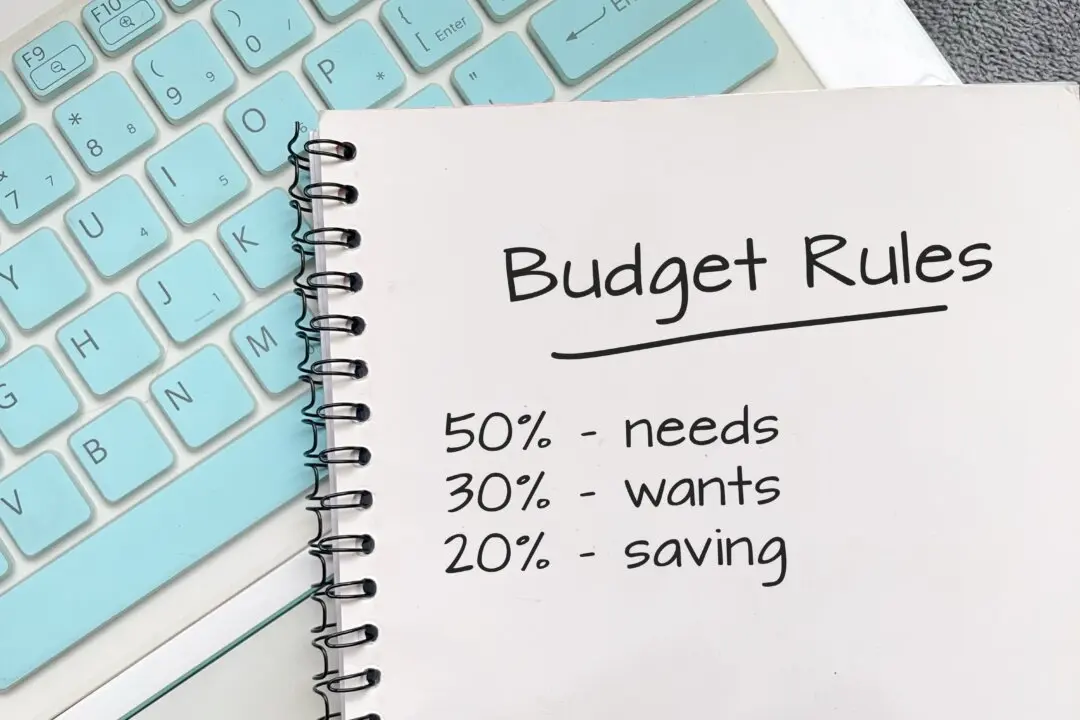
- Apply “profit distribution rules.” For example, 50 percent of your profits should go to taxes, 30 percent to business reserves, and 20 percent to personal investments.
- Invest in index funds. Avoid constant tinkering. It’s just a matter of automating monthly contributions. Choose low-cost, diversified index funds (such as SPY or VTI, which track the S&P 500). It’s also a good idea to rebalance your portfolio every year.
Step 4: Plan for the Exit… But Don’t Count on It
Yes, you need to plan for the day you might leave your business. There’s no doubt that your business is your pride, primary source of income, and even your identity.- Get a valuation. Find out how much your business is currently worth, and even more importantly, what improvements or key metrics would make your business more valuable.
- Document processes. Build your business so that it can run without you. In addition to making it more sellable, this increases its intrinsic value and gives you more personal freedom.
- Explore succession options. It’s important to consider all options, including internal employees, family members, and an external buyer. The more options you have, the stronger your position will be.
- Plan for no sale. Consider your personal financial plan so you can retire comfortably even if your exit check is smaller than expected.
Step 5: Don’t Wait Until You’re Burned out
Entrepreneurs often put off planning because they are passionate about their work. The problem with burnout is that it happens quickly. Waiting until you’re tired or desperate will limit your options and reduce your leverage.Get started on your personal wealth plan now, while you’re energized and feeling in control. It’s then that the best decisions are made.
Use Your Business as a Financial Engine—Not a Safety Net
The fact that your business is profitable is a gift. But, don’t confuse that success with financial security.

Invest that income in assets that don’t require you to be actively involved. That’s the key to true freedom.
Let’s imagine the following:
- Today, your business provides you with a fantastic income, comfortably covering your lifestyle.
- In the meantime, your diversified investments and retirement savings grow independently, quietly, and consistently.
- Whether you sell the business or step away from active management, your financial life doesn’t stop. As long as you continue to build your wealth streams, you will be provided for.
Final Thought: You Are the Asset
You’re the plan, not the business. It was your risk. You built it. However, your long-term future cannot be decided by one liquidity event.Rather than paying you now, build a parallel system that pays you later. You can achieve this by automating your savings and diversifying your investments.
What is the best retirement plan for entrepreneurs? The one that doesn’t rely on your business at all.
By John Rampton
The views and opinions expressed are those of the authors. They are meant for general informational purposes only and should not be construed or interpreted as a recommendation or solicitation. The Epoch Times does not provide investment, tax, legal, financial planning, estate planning, or any other personal finance advice. The Epoch Times holds no liability for the accuracy or timeliness of the information provided.